
Gen Z is not just influencing design trends in 2026; it is redefining the entire visual language of brands. For businesses targeting this digitally native generation, staying updated with the latest graphic design trends 2026 has become a strategic necessity. Brands that embrace innovation, authenticity, and cultural relevance are the ones capturing attention across social media, websites, packaging design, and digital campaigns.
The design landscape is evolving rapidly with AI-assisted creativity, immersive visual storytelling, bold typography, motion graphics, experimental layouts, and sustainability-driven aesthetics leading the way. Minimalism is being reimagined, nostalgia is being modernized, and digital-first branding is becoming more interactive and emotionally engaging.
Gen Z brands expect visual identities that are expressive, inclusive, and instantly shareable. Static branding is fading, while dynamic, adaptive, and platform-responsive design systems are gaining momentum.
These 11 graphic design trends 2026 highlight how creativity, technology, and culture are merging to shape the future of branding and inspire the next generation of impactful brands.
Table of Contents
Why 2026 Is the Breakthrough Year for Graphic Design Trends?
2026 marks a breakthrough year for graphic design trends because creativity and technology are merging faster than ever before. AI-powered design tools, immersive digital platforms, and evolving consumer behavior are reshaping how brands communicate visually.
Audiences, especially Gen Z and emerging Gen Alpha, expect interactive, personalized, and socially conscious brand experiences across every touchpoint. Static visuals are giving way to motion graphics, adaptive branding systems, bold typography, and experimental layouts. Sustainability and inclusivity are no longer optional—they influence design decisions at every level. As digital spaces expand and attention spans shrink, 2026 becomes the year where innovation, speed, and authenticity define successful graphic design strategies.
Let’s Have a Look at the Hottest Gen Z Graphic Design Trends of 2026
Gen Z continues to redefine how brands communicate, consume, and create. In 2026, graphic design is no longer just about visual appeal—it is about experience, expression, and emotional connection. Here are the hottest Gen Z graphic design trends shaping the future of branding, digital marketing, and visual storytelling.
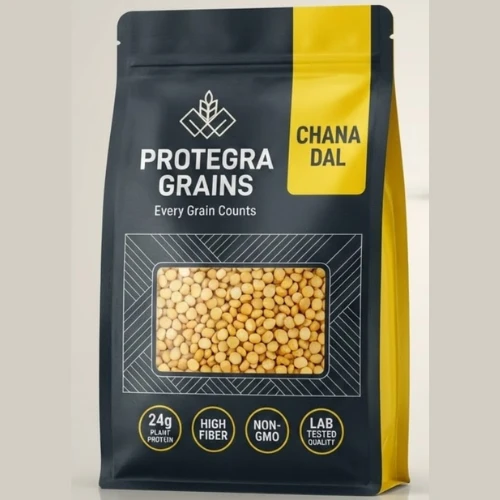
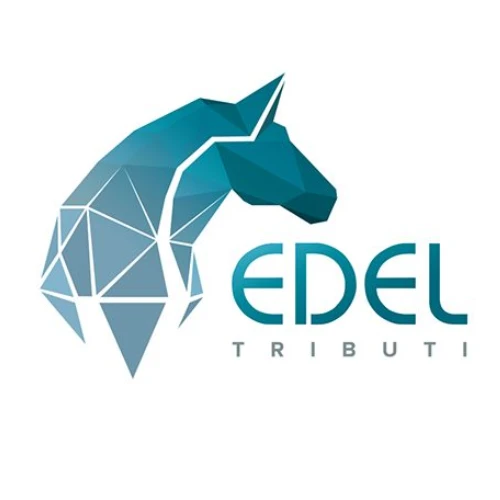
1. AI-Assisted but Human-Feeling Design
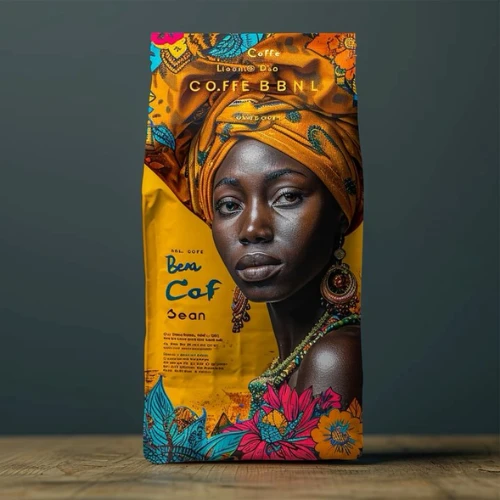
Artificial intelligence is accelerating design workflows, but Gen Z demands authenticity. The winning formula in 2026 blends AI-powered tools with human creativity. Brands are using AI for speed and personalization while keeping imperfections, hand-drawn elements, and emotional storytelling intact. The result? Designs that feel smart yet soulful.
Source:https://in.pinterest.com/
Source:https://in.pinterest.com/
Source:https://in.pinterest.com/
Source:https://in.pinterest.com/
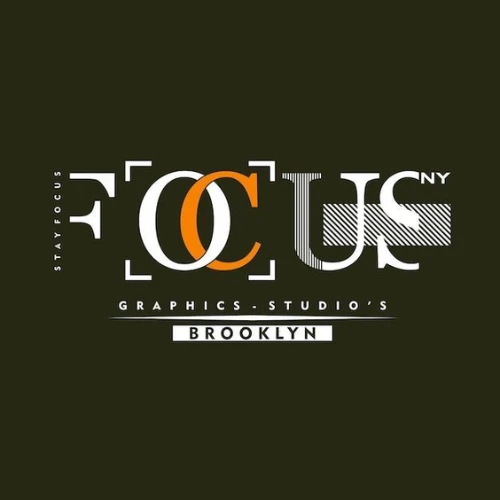
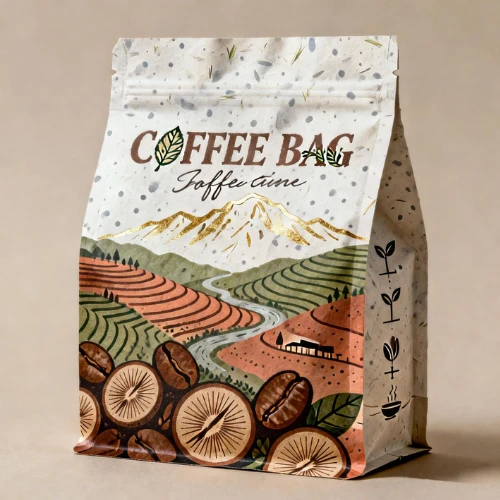
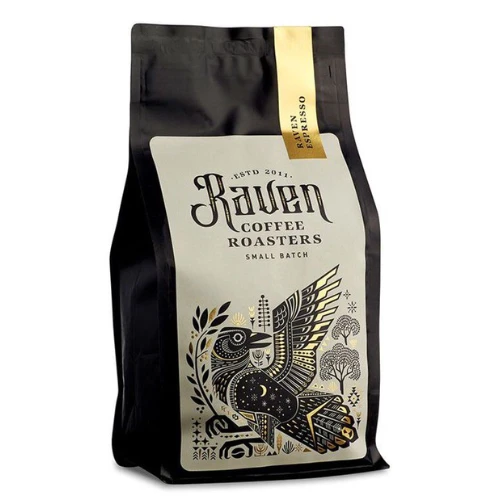
2. Hyper-Bold Typography as the Hero
Typography is no longer supporting the design—it is the design. Oversized fonts, stretched letterforms, kinetic type, and expressive text layouts dominate websites, social media graphics, and packaging design. Hyper-bold typography commands attention instantly, helping brands stand out in fast-scrolling digital spaces.

Source:https://in.pinterest.com/
Source:https://in.pinterest.com/
Source:https://in.pinterest.com/
Source:https://in.pinterest.com/
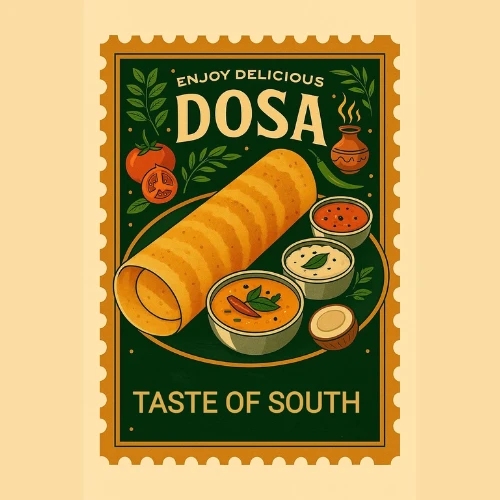
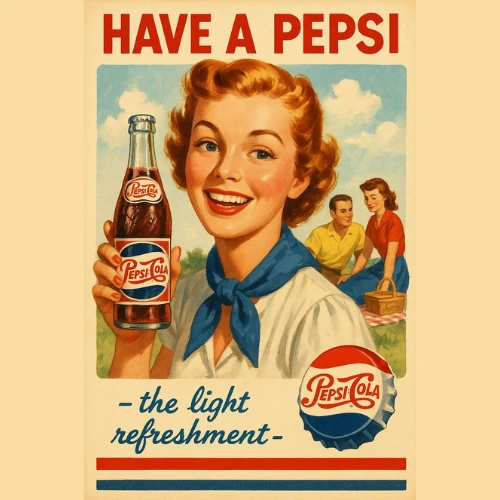
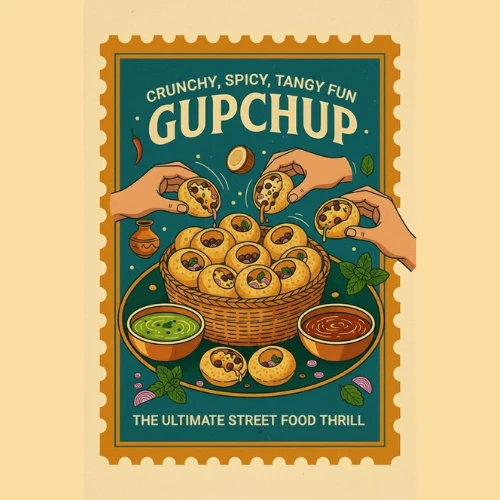
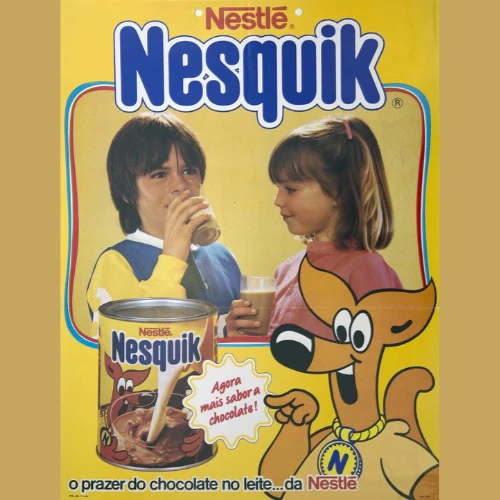
3. Digital Nostalgia & Y2K Evolution
Nostalgia continues to evolve, but with a futuristic twist. Inspired by early internet culture, pixel art, chrome effects, retro gradients, and Y2K-inspired visuals are reimagined with modern polish. This blend of past and future creates familiarity while still feeling cutting-edge and shareable.
Source:https://in.pinterest.com/
Source:https://in.pinterest.com/
Source:https://in.pinterest.com/
Source:https://in.pinterest.com/
4. Motion-First Graphic Design
Static visuals are fading. Motion graphics, animated logos, micro-interactions, and scroll-triggered effects are becoming essential in digital branding. Whether on websites, apps, or social platforms, motion-first design increases engagement and builds immersive brand experiences that feel alive.
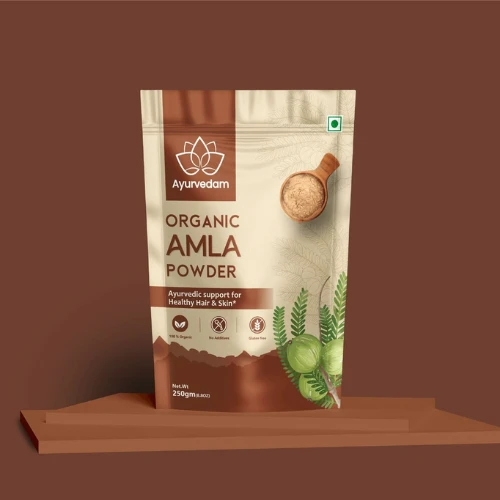
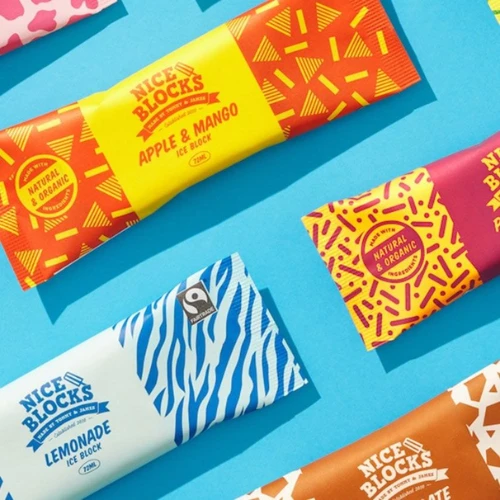
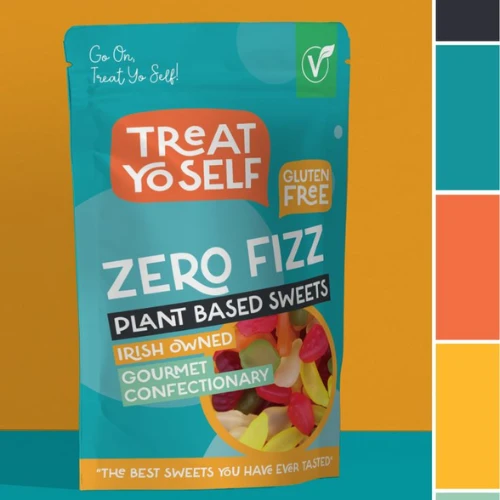
5. Maximalist Color Stories
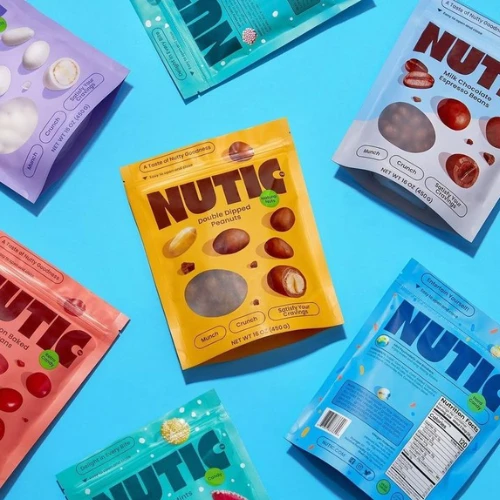
Minimal color palettes are giving way to bold, saturated, and unexpected color combinations. Gen Z gravitates toward expressive palettes—neon clashes, vibrant gradients, and layered hues that create strong visual identities. Color is being used strategically to evoke emotion, energy, and individuality.
Source:https://in.pinterest.com/
Source:https://in.pinterest.com/
Source:https://in.pinterest.com/
Source:https://in.pinterest.com/
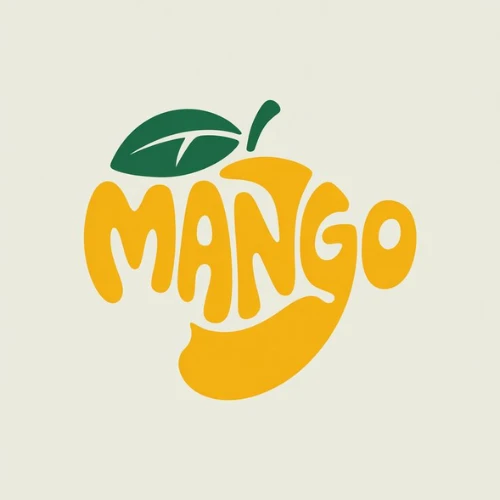
6. Mixed Media & Collage Aesthetics
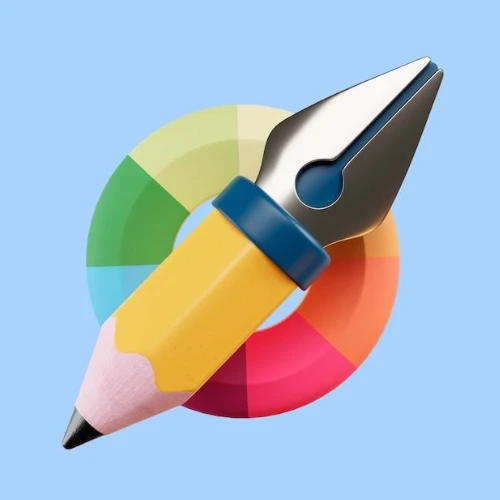
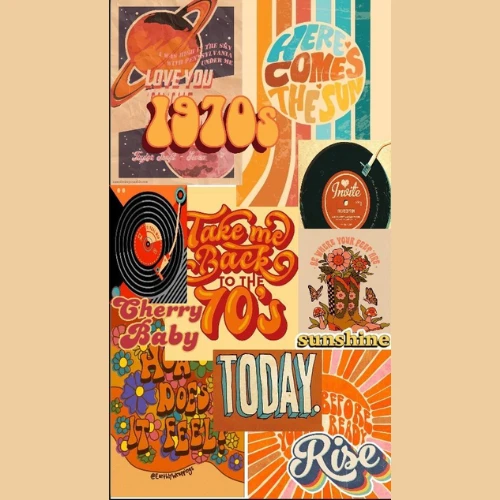
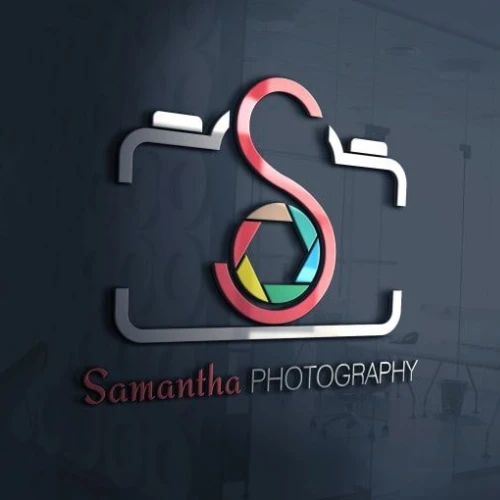
Photography, 3D elements, hand-drawn illustrations, textures, and typography are blending into layered compositions. Mixed media design reflects the chaotic yet creative digital culture Gen Z relates to. Collage-style branding feels raw, dynamic, and socially native—perfect for storytelling across platforms.
Source:https://in.pinterest.com/
Source:https://in.pinterest.com/
Source:https://in.pinterest.com/
Source:https://in.pinterest.com/
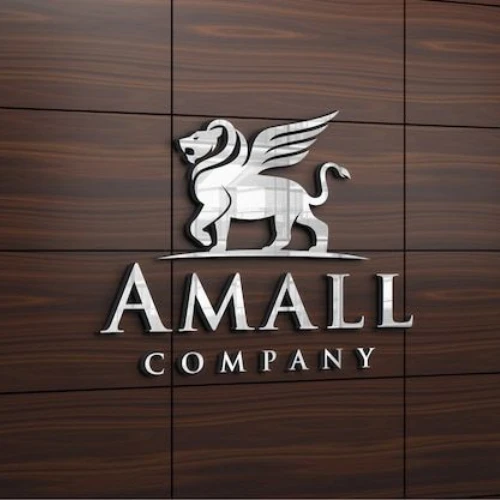
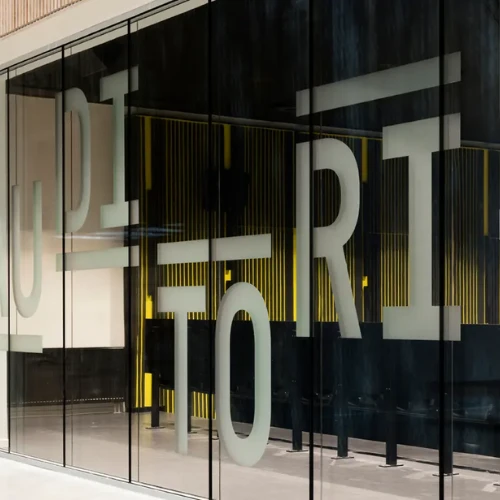
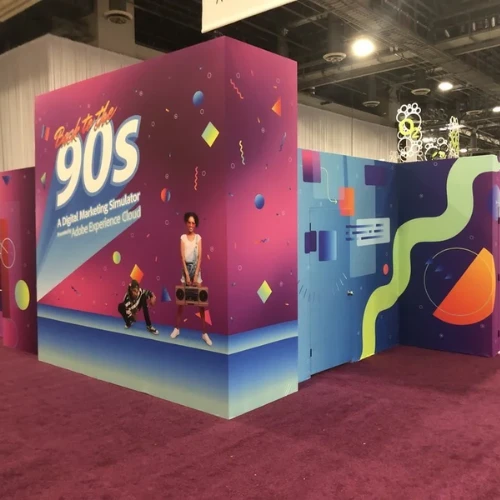
7. 3D, Immersive & Spatial Graphics
Three-dimensional visuals are moving beyond gaming into mainstream branding. From 3D typography to immersive product mockups and spatial website elements, brands are creating depth-driven experiences. These graphics enhance realism and make digital environments more interactive and visually captivating.
Source:https://in.pinterest.com/

Source:https://in.pinterest.com/
Source:https://share.google/o1WWhZ42ghzPpKYCj
Source:https://share.google/njPL9mSAn720SSSmC
8. Inclusive & Culture-Driven Design
Diversity, representation, and cultural awareness are central to modern branding. Inclusive design in 2026 goes beyond token visuals. It reflects real communities, authentic narratives, and culturally relevant storytelling. Brands that understand social conversations and local identities build stronger emotional connections.
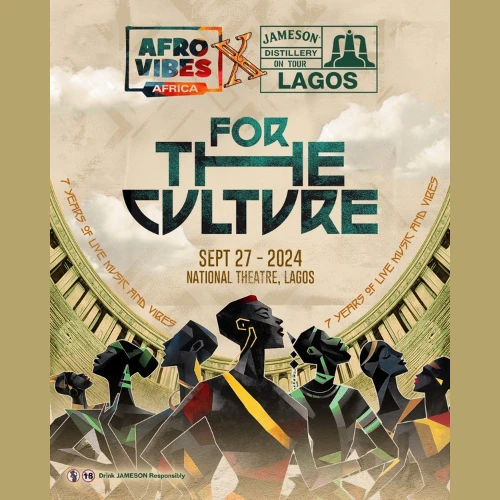
Source:https://in.pinterest.com/
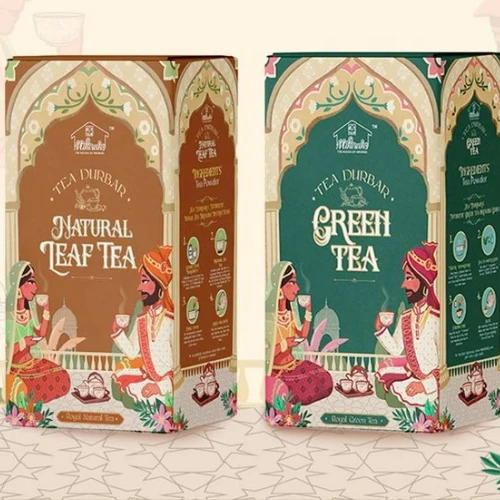
Source:https://in.pinterest.com/
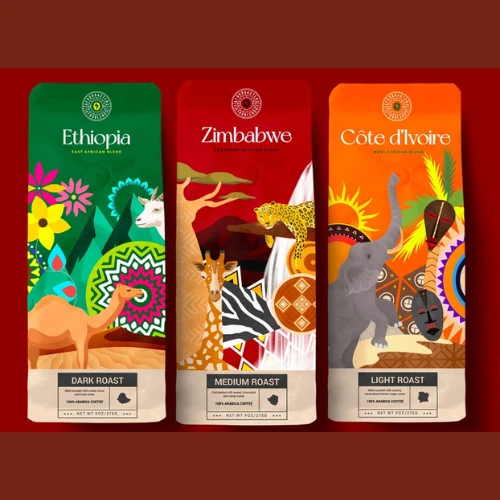
Source:https://in.pinterest.com/
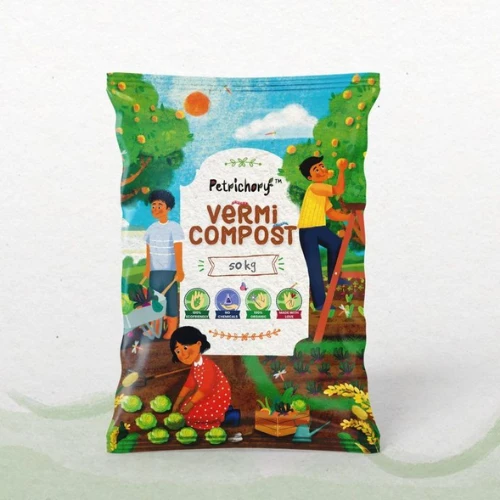
Source:https://in.pinterest.com/
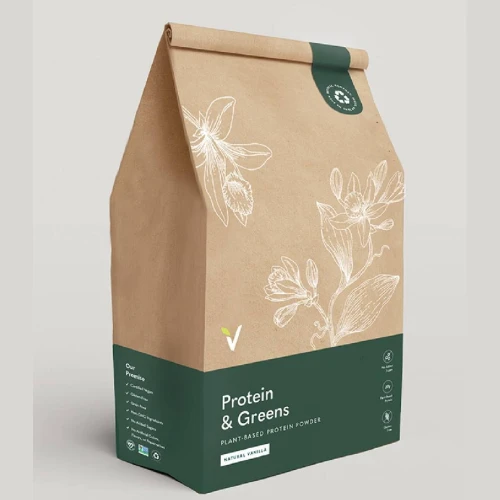
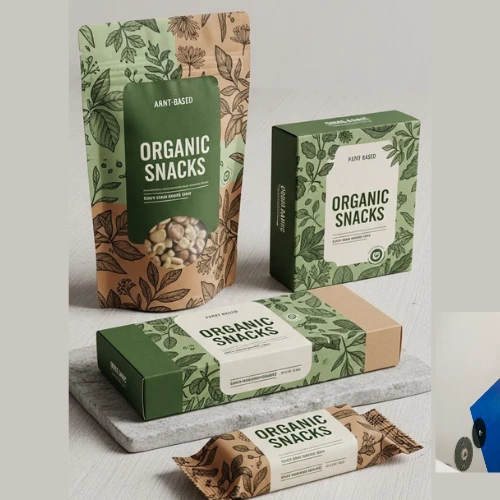
9. Eco-Minimalism with Meaning
Sustainability is influencing both aesthetics and messaging. Eco-minimalism focuses on clean layouts, earthy tones, recycled textures, and purpose-driven branding. It balances simplicity with strong environmental storytelling, especially in packaging design and conscious product brands.

Source:https://in.pinterest.com/
Source:https://in.pinterest.com/

Source:https://in.pinterest.com/
Source:https://in.pinterest.com/
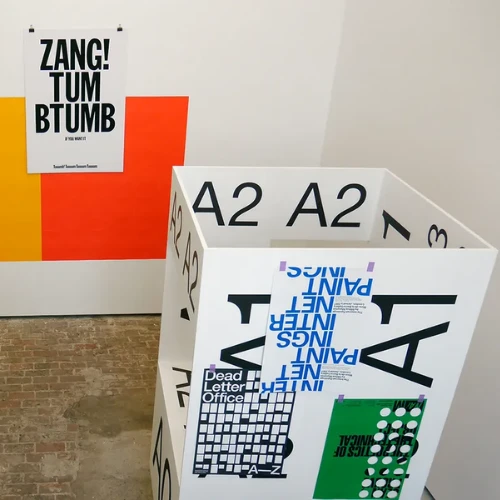
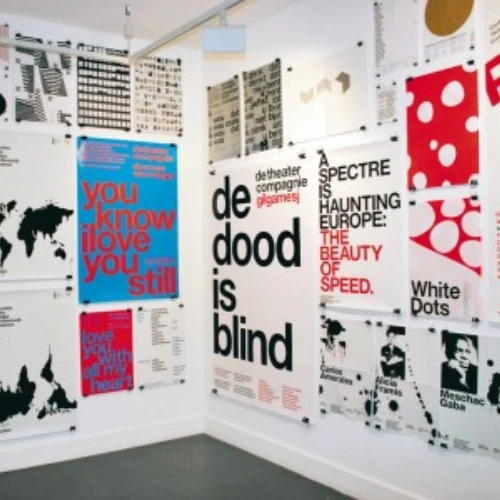
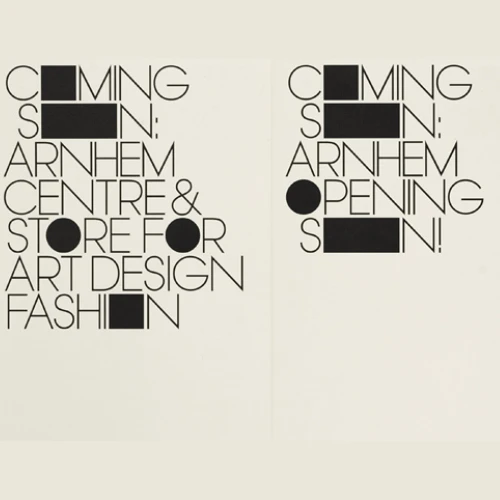
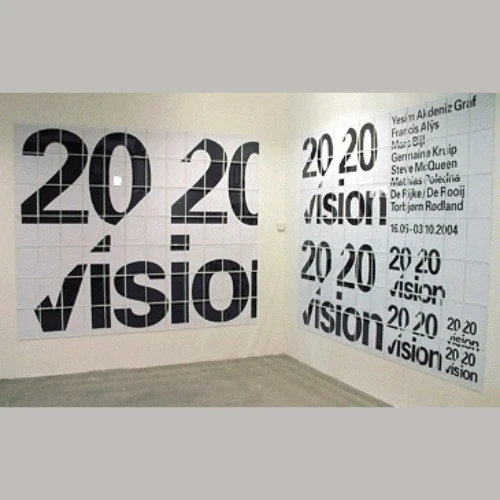
10. Experimental Layout Grids
Traditional grid systems are being disrupted. Designers are breaking alignment rules, layering content asymmetrically, and creating unconventional compositions. Experimental layouts add surprise and dynamism while still maintaining readability and user experience.
Source:https://share.google/74mIFUP5Y0ApJ0ulK
Source:https://share.google/rJcRBIne4EeH0GfOY
Source:https://share.google/I2b8OGlgsnCEwG7sM
Source:https://share.google/I2b8OGlgsnCEwG7sM/
11. Interactive & Gamified Visual Experiences
Gen Z expects participation, not passive viewing. Interactive quizzes, swipe-based storytelling, AR filters, gamified landing pages, and clickable animations are shaping engagement strategies. Design is evolving into an experience where users become part of the brand narrative.
In 2026, graphic design trends are driven by emotion, technology, culture, and bold self-expression. Brands that adopt these trends thoughtfully will not just follow the conversation—they will lead it.
How Brands Can Apply These Trends Strategically?
Adopting graphic design trends in 2026 requires more than visual experimentation—it demands strategic alignment with brand identity and business goals.
a) Choosing Trends That Fit Brand Personality
Not every trend suits every brand. A tech startup may embrace AI-driven visuals and motion-first design, while a sustainable brand might lean toward eco-minimalism and earthy color palettes. The key is selecting trends that enhance the brand voice, target audience expectations, and overall positioning rather than following hype blindly.
b) Balancing Trendiness with Long-Term Identity
Trends evolve quickly, but brand identity must remain consistent. Instead of rebranding completely, brands can introduce trend-inspired elements in campaigns, social media graphics, or limited-edition packaging. This approach keeps visuals fresh without diluting long-term brand recognition.
c) Budget-Friendly Ways to Experiment
Testing new typography styles, animated posts, or interactive stories on social platforms allows experimentation without heavy investment. Small digital pilots can reveal what resonates before scaling.
d) Measuring Engagement and Visual Impact
Track metrics such as click-through rates, social shares, time spent on page, and conversion rates to evaluate whether new design strategies truly drive engagement and business growth.
Conclusion:
The graphic design trends of 2026 clearly show one powerful shift—Gen Z brands are driven by expression, interaction, authenticity, and bold creativity. From AI-assisted yet human-feeling visuals to hyper-bold typography, motion-first experiences, immersive 3D graphics, and culture-driven storytelling, design is becoming more dynamic and emotionally intelligent than ever before.
However, trends alone do not build strong brands. The real impact comes from applying them strategically, aligning them with brand personality, and creating experiences that truly connect with audiences. When innovation meets clarity and purpose, brands stand out in crowded digital spaces.
If your business is ready to evolve with future-forward design thinking, LogoPeople can help transform these trends into a powerful, cohesive brand identity. The future belongs to brands that design with intention—2026 is the year to lead, not follow.
Author: Megha Malik

As a passionate entrepreneur and creative brand consultant with experience of 14 years in digital, branding and packaging industry, it is my honest effort to put my experiences and knowledge of industry towards readers. A chartered accountant by degree but a marketing personality in blood has motivated her to take in designing industry as a career. With her fun-loving personality and sharp branding skills, she is a great motivational speaker on her YouTube channel, an active member in various business channels offline as well as online. Do connect me personally via my LinkedIn and I love to share my expertise with you.