
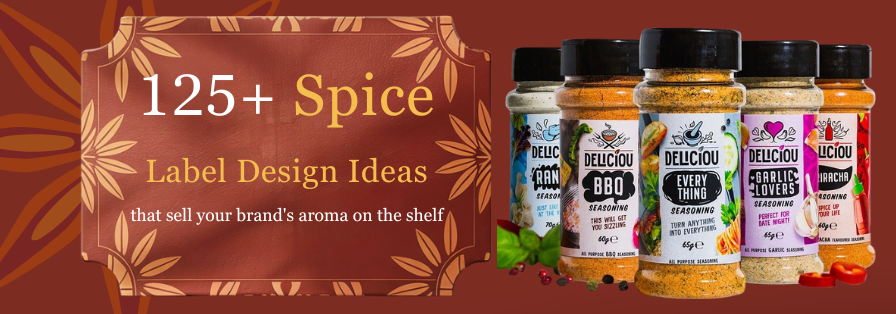


In the fast-growing ₹50,000+ crore Indian spice industry, standing out on the shelf is no longer optional—it’s essential. With the market expanding at over 8% annually, spice brands are competing not just on taste but on how their products look and feel to the customer. A well-crafted spice label design plays an important role in building your brand trust, showcasing authenticity, and influencing quick buying decisions.
Consumers today are drawn to labels that reflect purity, origin, and brand promise. Designs that blend tradition with modern aesthetics are driving stronger shelf impact. Whether it’s earthy tones that evoke nature or metallic finishes that signal premium quality, every detail matters.
This blog features 125+ spice label design ideas tailored to help your packaging reflect aroma, freshness, and quality before the product is even opened. From regional spice blends to export-ready packaging, these design inspirations are built to connect visually, tell your brand story, and trigger purchase.
Here’s how your spice label can become your strongest marketing tool on the shelf.
Table of Contents
Why Is a Well-Designed Spice Label Essential for Your Brand’s Success?
A well-designed label is not just packaging—it’s your spice brand’s first impression. In a highly competitive market, where countless spice jars and pouches compete for attention, the label design in this race becomes a powerful tool that attract, inform, and convert buyers. It solely communicates your brand’s authenticity, quality, and positioning at a glance.
A thoughtfully crafted spice label tells your story—whether it’s traditional Indian heritage, organic purity, or bold international flavors. It builds trust by sharing key information clearly: ingredients, origin, certifications, and freshness. Eye-catching visuals, cohesive color palettes, and premium finishes create a lasting impact on the shelf and in the customer’s mind.
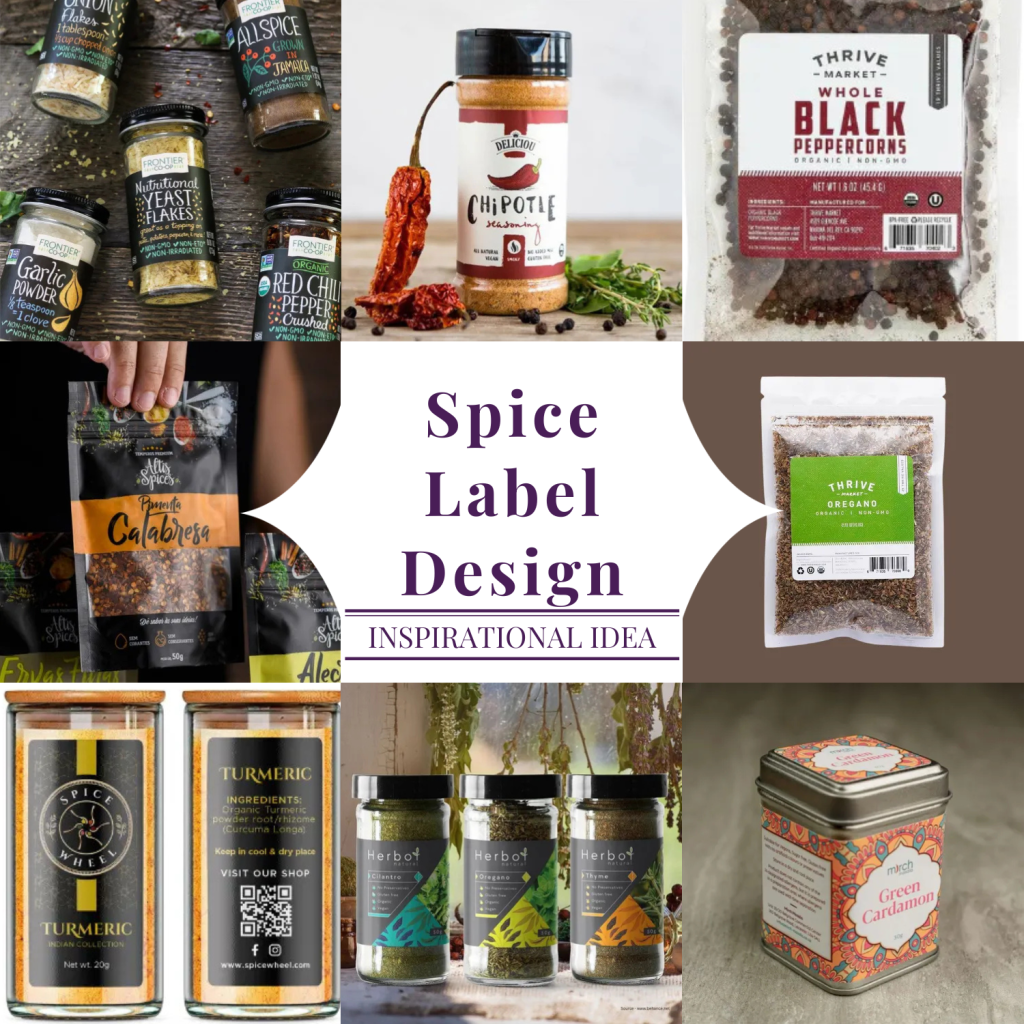
As we know with time evolution, consumer preferences and increasing shelf competition, investing in label design is not an optional thing. It’s a strategic move that tends to drive recognition, support brand recall, and boost sales. It helps your spices not only look fresh but also feel credible and desirable to your target audience.
Spice Label Design According to Packaging Type
Designing labels according to packaging type helps a brand look sharper and stay functional with market requirement. Here’s how to make your label design compatible with your different spice containers:
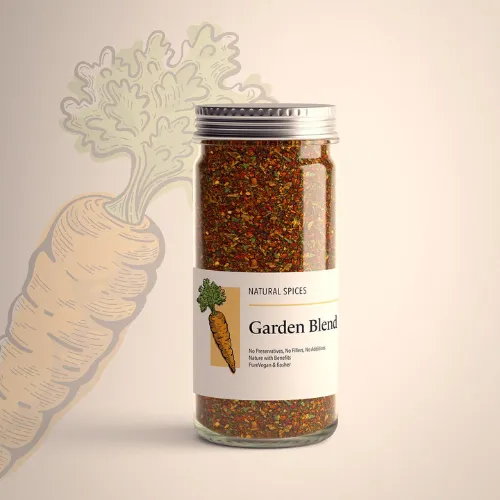
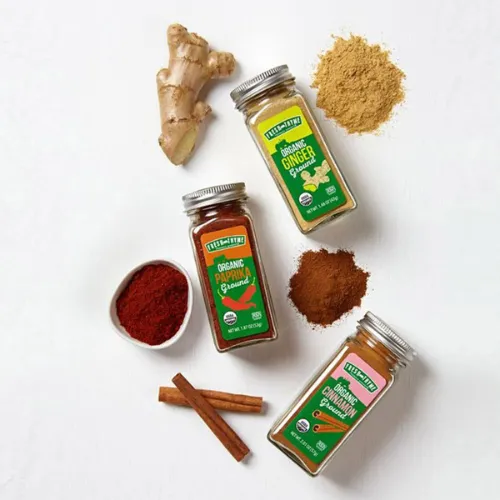
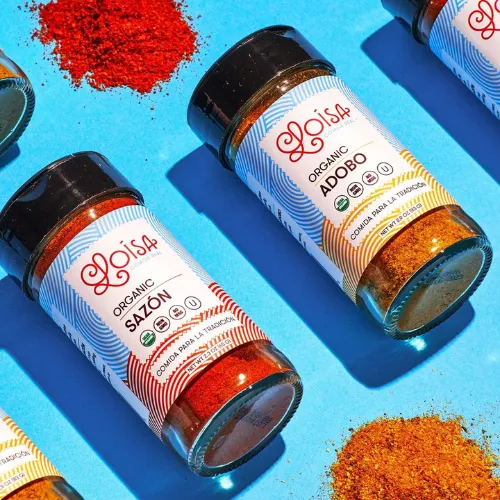
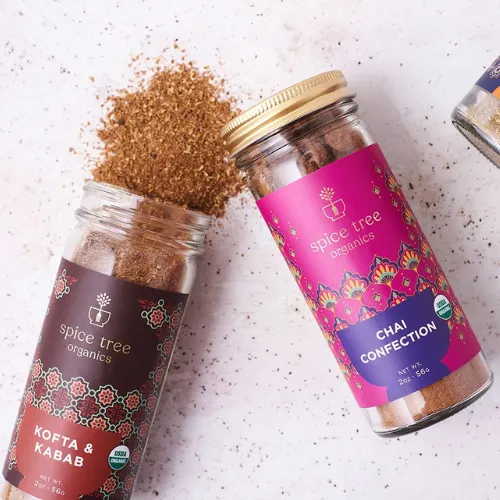
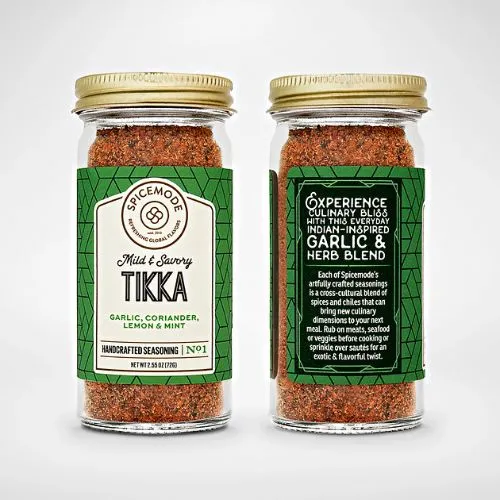
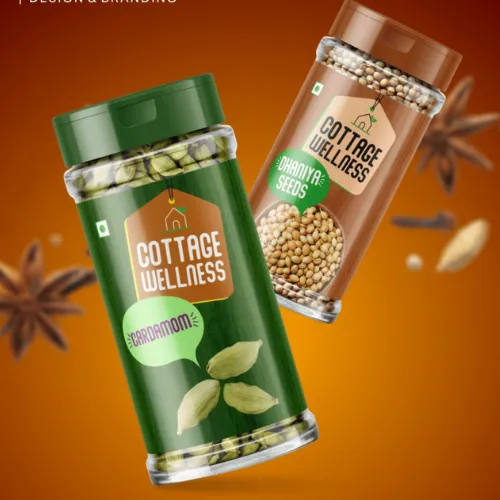
1. Glass Jars
- Best for premium or gourmet spices.
- Use clean, minimal designs with ample white space.
- Gold foiling, embossed textures, or matte finishes add a luxury feel.
- Transparent areas in the label let customers see the spice inside.
- Stick to earthy tones or elegant blacks and whites.
Source:https://in.pinterest.com/
Source:https://in.pinterest.com/
Source:https://in.pinterest.com/
Source:https://in.pinterest.com/
Source:https://in.pinterest.com/
Source:https://in.pinterest.com/
Source:https://in.pinterest.com/
Source:https://in.pinterest.com/
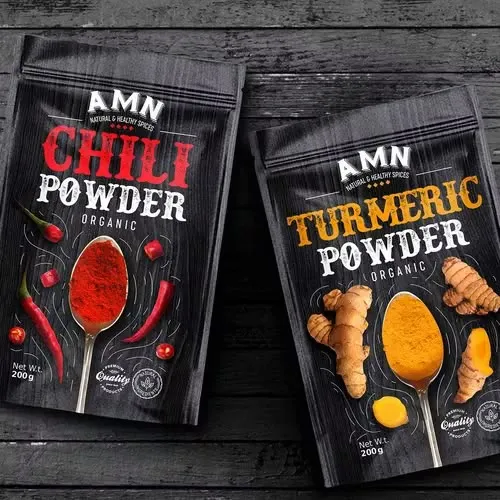
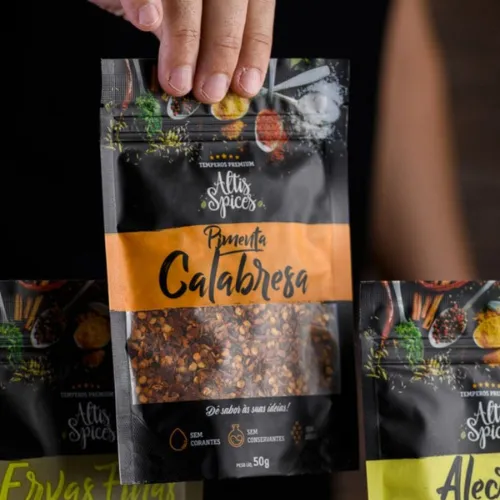
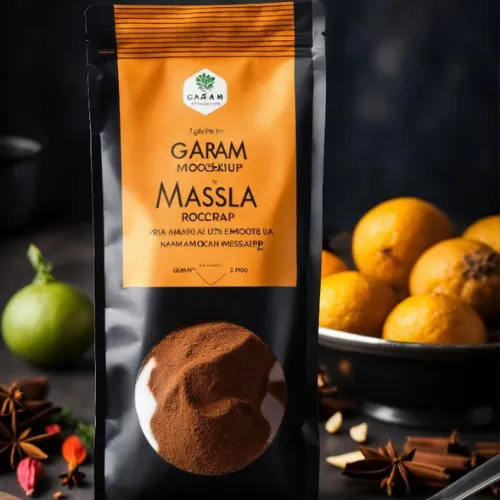
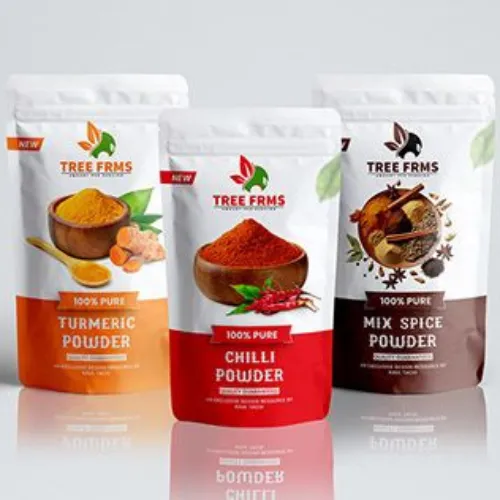
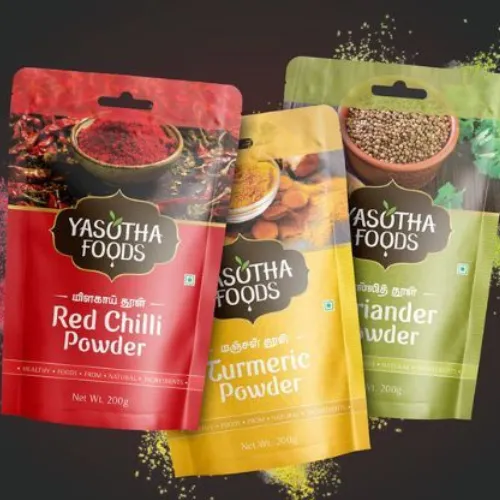
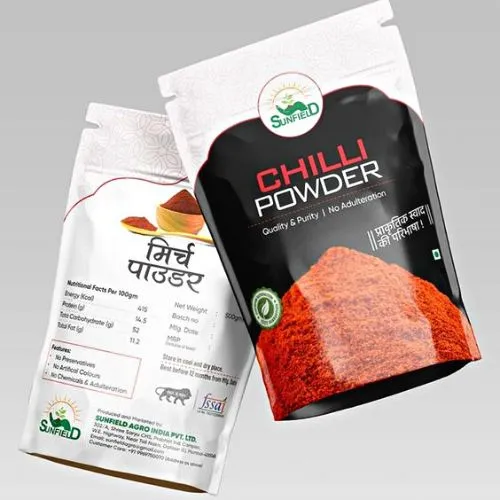
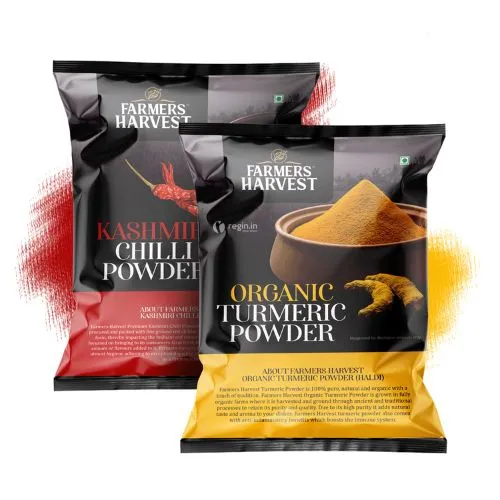
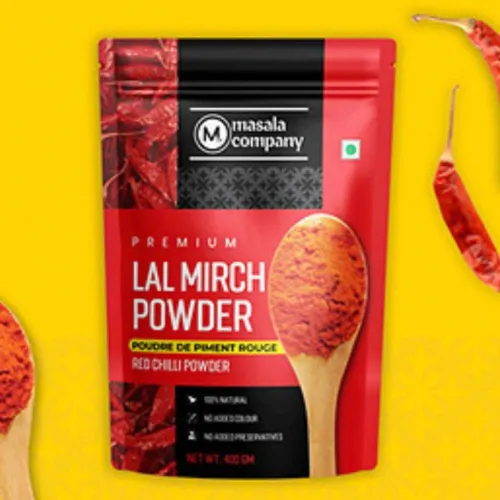
2. Pouches
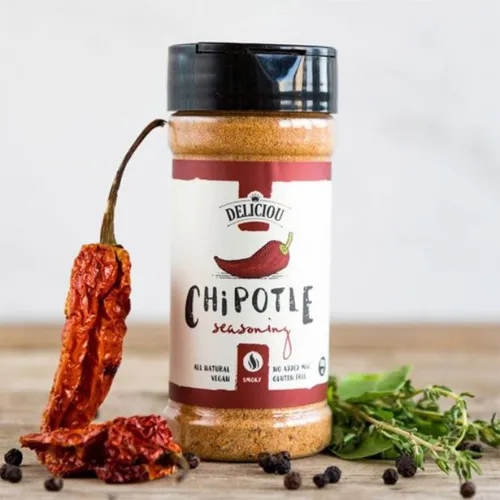
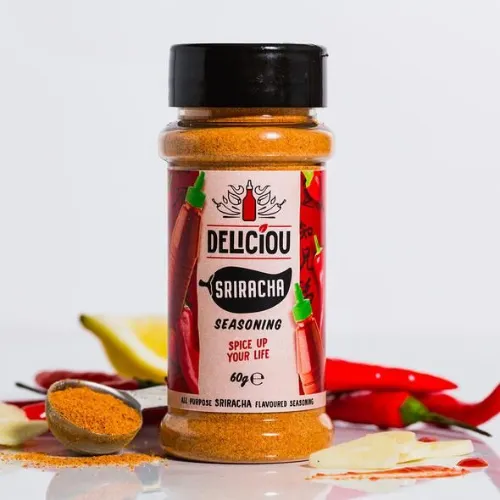
- Most commonly used for everyday spices.
- Design should be bold and colorful to stand out on shelves.
- Use large fonts and ingredient images for clarity.
- Resealable zip areas should remain unobstructed by the label.
- Matte or glossy pouch finishes for your label influence how labels should contrast.
Source:https://in.pinterest.com/
Source:https://in.pinterest.com/
Source:https://in.pinterest.com/
Source:https://in.pinterest.com/
Source:https://in.pinterest.com/
Source:https://in.pinterest.com/
Source:https://in.pinterest.com/
Source:https://in.pinterest.com/
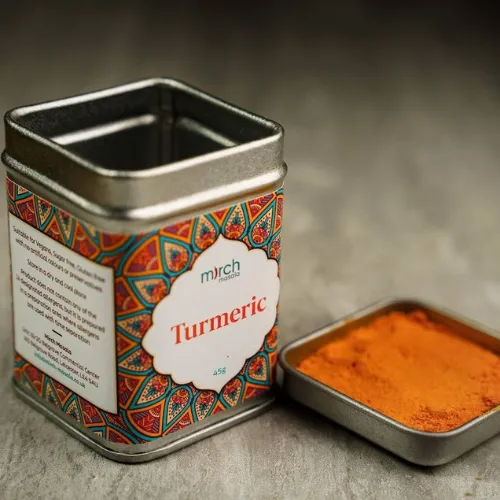
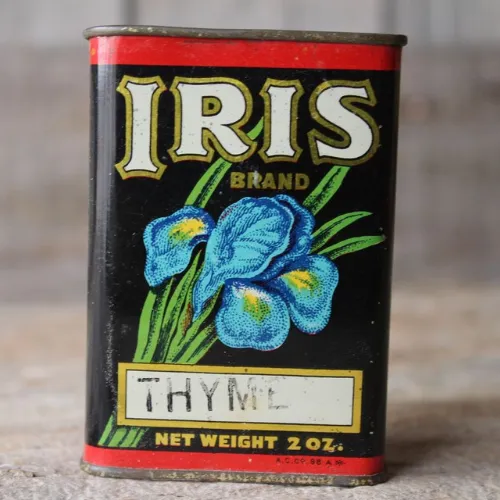
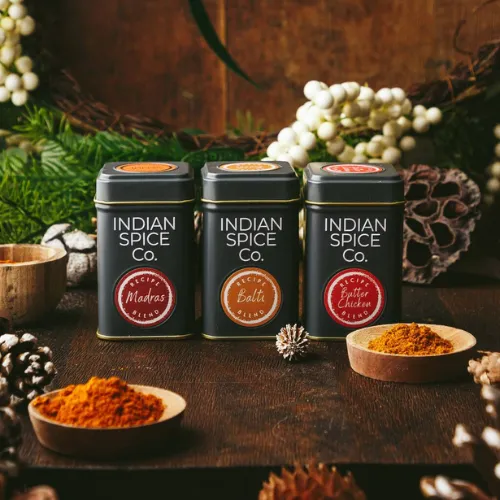
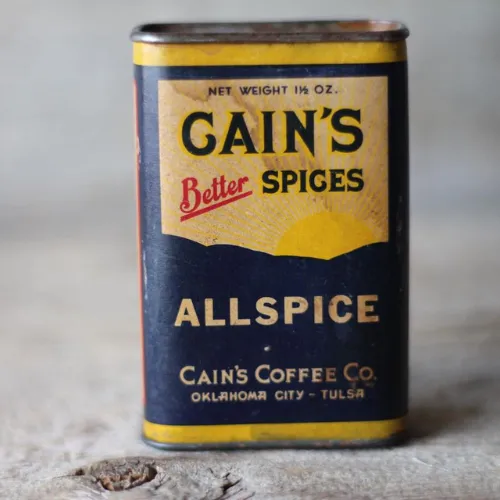
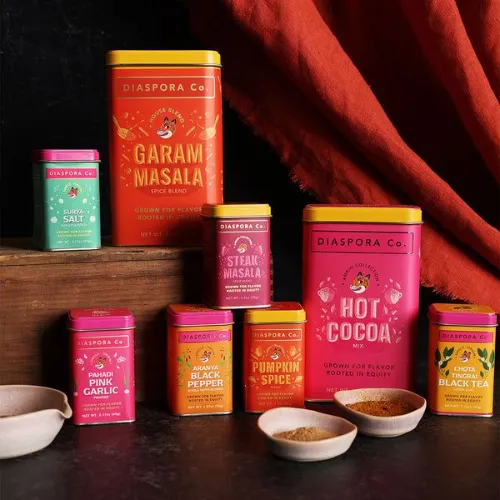
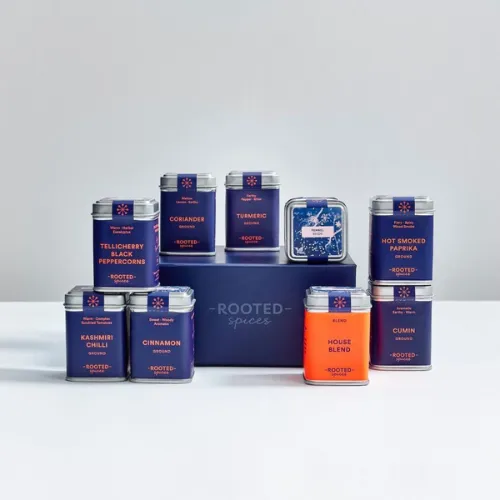
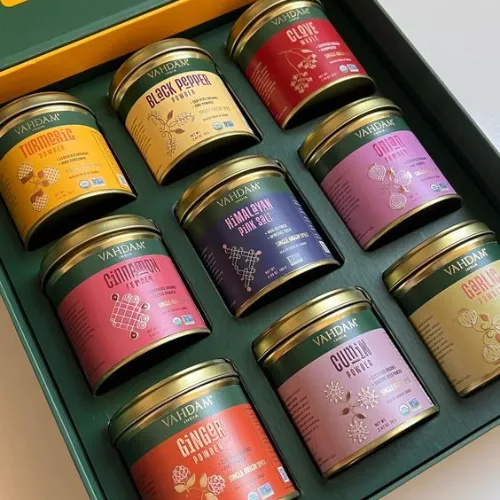
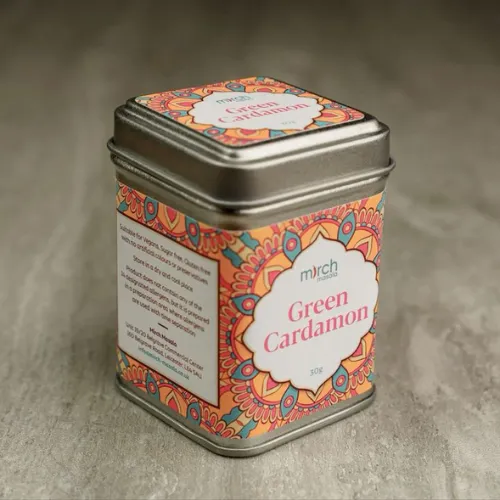
3. Tin Containers
- Great for gifting or export packaging.
- Go for classic, vintage-inspired label styles.
- Use full-wrap labels or round labels for lid tops.
- Add metallic inks or textures to match the tin’s finish.
- Focus on heritage storytelling and premium appeal.
- Smart label placement and style always elevate your packaging instantly.
Source:https://in.pinterest.com/
Source:https://in.pinterest.com/
Source:https://in.pinterest.com/
Source:https://in.pinterest.com/
Source:https://in.pinterest.com/
Source:https://in.pinterest.com/
Source:https://in.pinterest.com/
Source:https://in.pinterest.com/
Tips to Customise Your Spice Label Design According to Your Brand
Customising your spice label is key to making your product stand out while staying informative and compliant. A well-designed label reflects your brand identity, builds trust, and helps consumers connect with your product. Here are some essential steps to design your spice label effectively:
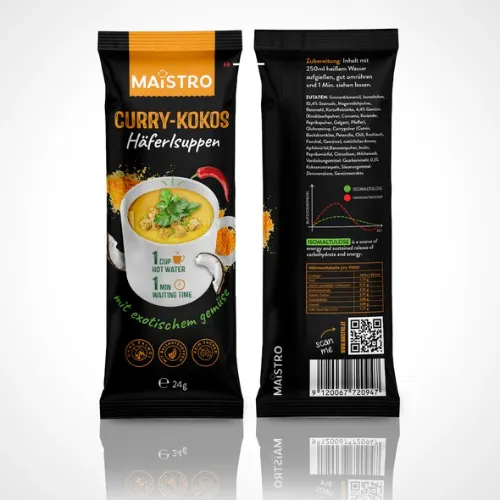
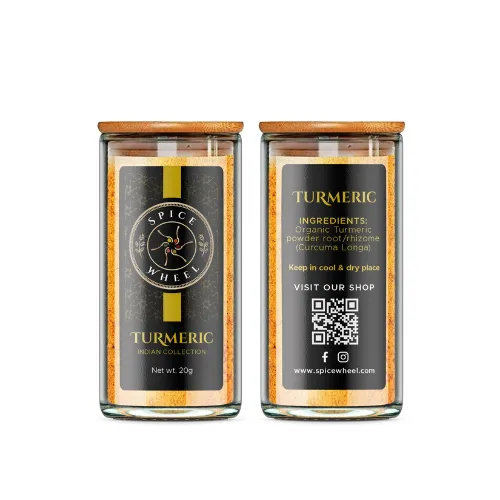
1. Add a QR Code for Recipes or Sourcing Story
Adding a QR code to your spice label design at a space enhances customer one to one engagement with your brand. It can link to any food recipe ideas, cooking tips, or may be the sourcing story of the spice. This actually creates a deeper brand connection and adds an interactive experience for your customers. In result, it saves space on the label while offering more information.
Source:https://in.pinterest.com/
Source:https://in.pinterest.com/
Source:https://in.pinterest.com/
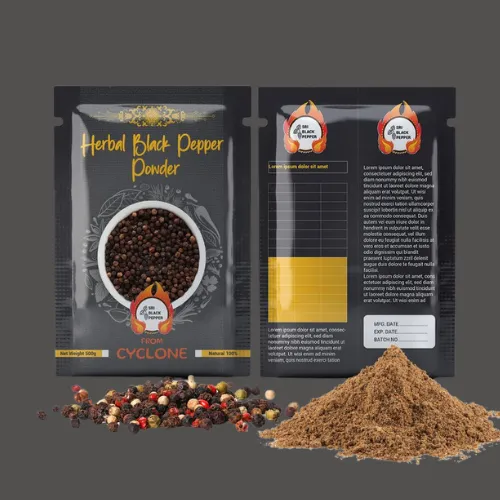
Source:https://in.pinterest.com/
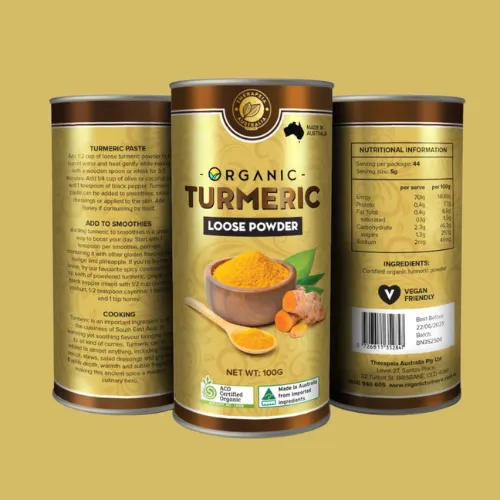
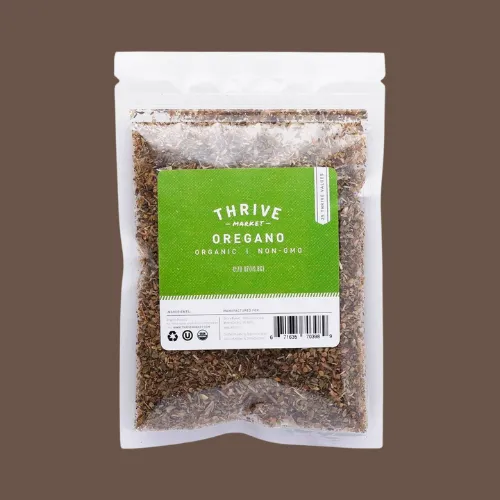
2. Include Certifications
Certifications add credibility. Include icons like USDA Organic, FSSAI, Halal, or Vegan to assure buyers of your product’s authenticity and best quality. These are mainly mandatory for every health-conscious and international customers who actively look for trusted certifications.
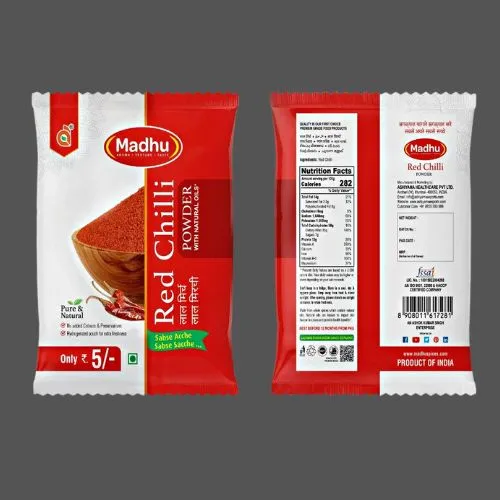
Source:https://in.pinterest.com/
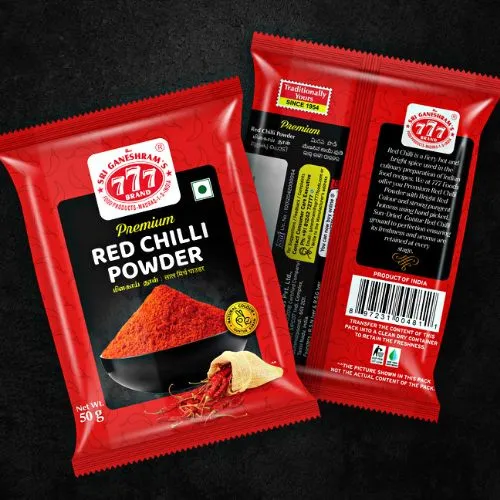
Source:https://in.pinterest.com/
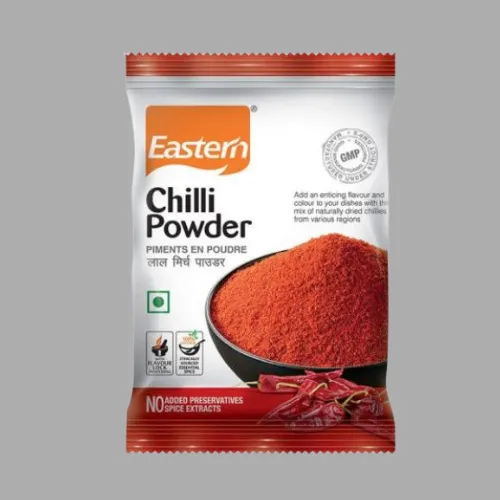
Source:https://in.pinterest.com/
Source:https://in.pinterest.com/
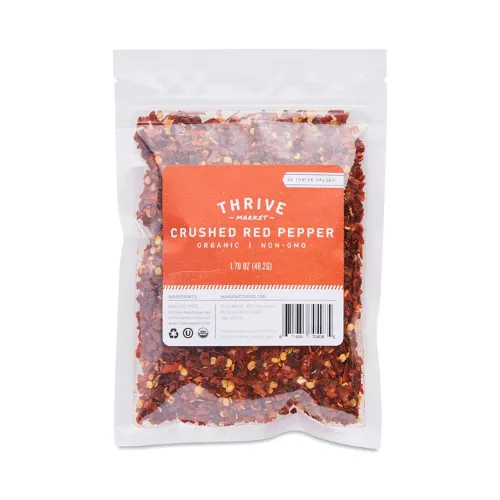
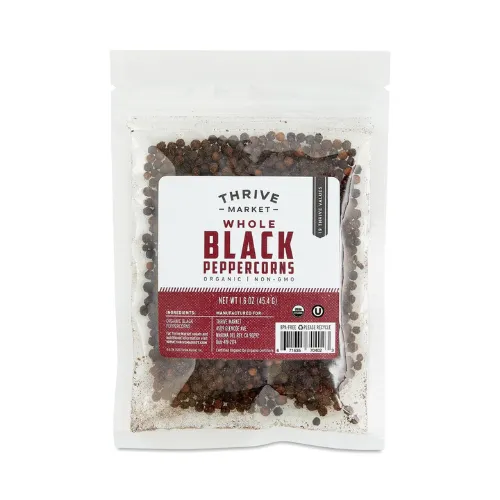
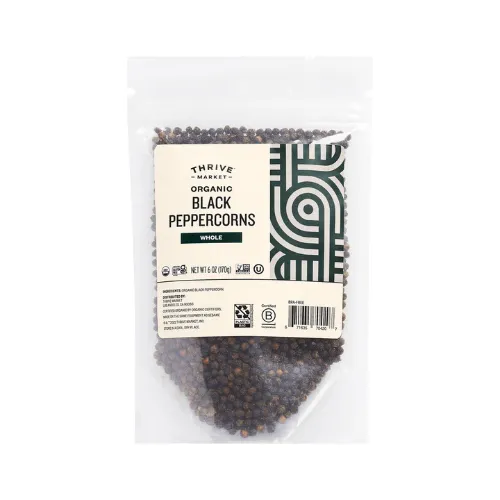
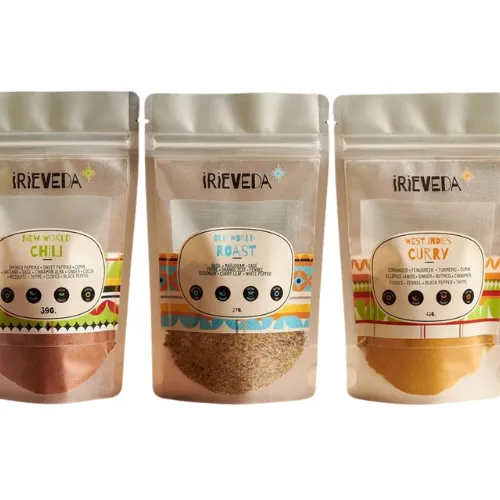
3. Allocate Space for Manufacturing and Expiry Dates
Always leave a clean, visible area for MRP, manufacturing date, batch number, and expiry date. This is not just a legal requirement but also helps customers make informed purchase decisions. So always try to avoid cluttering this space with heavy design elements.
Source:https://in.pinterest.com/
Source:https://in.pinterest.com/
Source:https://in.pinterest.com/
Source:https://in.pinterest.com/
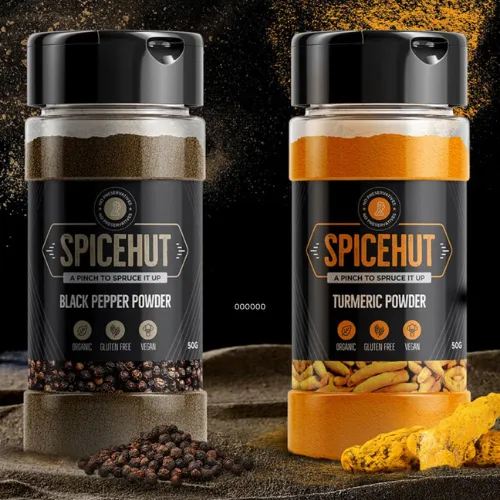
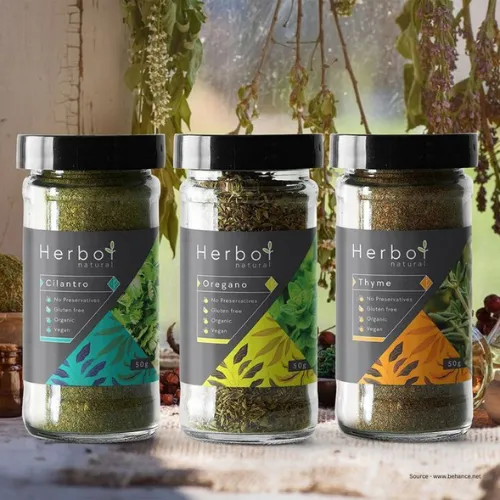
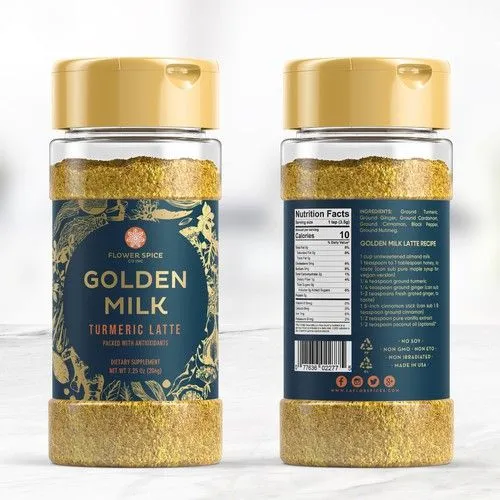
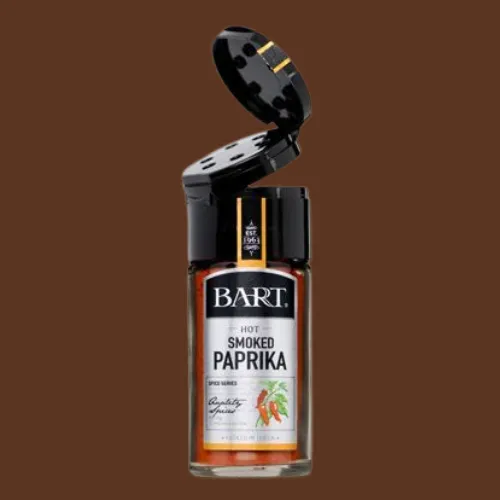
4. Show Nutrition Facts and Spice Origin
Consumers want transparency. Include basic nutrition facts and the origin of the spice—such as “Sourced from Kerala” or “Himalayan-grown turmeric.” This builds trust and highlights the purity of your product.
Source:https://in.pinterest.com/
Source:https://in.pinterest.com/
Source:https://in.pinterest.com/
Source:https://in.pinterest.com/
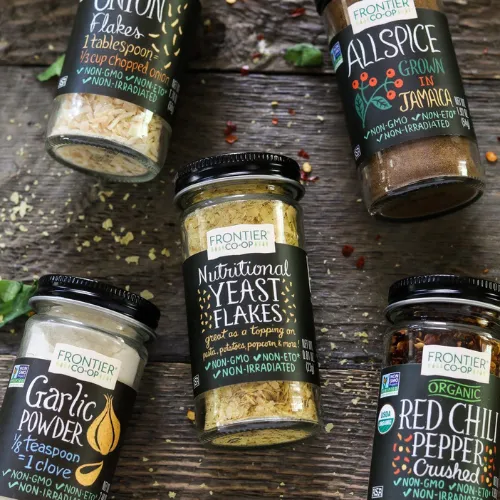
5. Use Multiple Languages for Export
If you’re targeting international markets, design your labels to accommodate multiple languages accordingly. This improves product accessibility and helps comply with local packaging laws in different country. Keep translations clear and consistent with your brand voice.
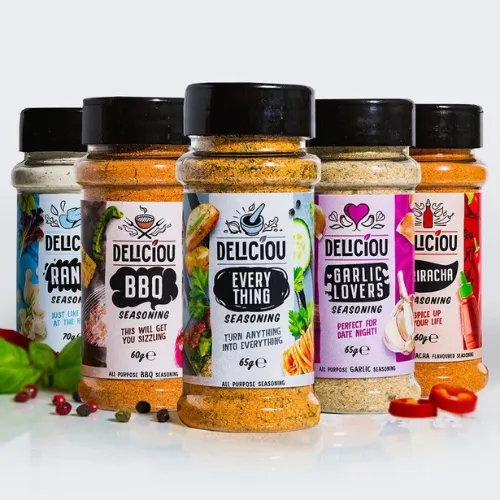
By combining visual appeal with detailed information, your spice label becomes more than just a sticker—it becomes a powerful marketing tool that reflects your brand’s commitment to quality, transparency, and customer engagement.
Source:https://in.pinterest.com/
Source:https://in.pinterest.com/
How Spice Label Design Makes It Easier to Launch a New Spice Brand?
A strong label design plays a crucial role in launching a new spice brand from scratch easily and quickly. It acts actually as your brand’s silent ambassador—communicating quality, trust, and uniqueness in just a few seconds. When customers see an appealing label, they’re more likely to pick up your product, even without prior brand recognition.
The right design can highlight your spice’s origin, purity, and authenticity are the key factors which actually influence buyer’s purchasing decisions for your spice brand. Strategic use of colors, fonts, and imagery creates a distinct identity, helping your brand stand out among well-established competitors.
A thoughtfully step by step designed label also ensures compliance with legal norms, like ingredient listing, FSSAI info, and expiry details—building buyer confidence. Incorporating modern elements like QR codes or sustainability icons can further connect with today’s conscious consumers.
In essence, a compelling food label design not only boosts shelf presence but it try to give your new spice brand a strong, credible start in a crowded market.
Conclusion:
In a market flooded with choices, the right design helps your product stand out and connect instantly with customers.
The 125+ spice label design ideas shared above offer diverse inspiration—from traditional elegance to bold contemporary styles—each tailored to help your spices look as good as they taste. Clear branding, quality cues, and thoughtful details can turn your packaging into a lasting brand impression.
Need expert help to bring your spice label vision to life? LogoPeople, with its proven experience in FMCG and spice branding, can craft packaging that truly speaks your aroma and story.
Let your label be the reason someone picks your brand first. Start designing your shelf-ready spice success with LogoPeople today.
Author: Megha Malik

As a passionate entrepreneur and creative brand consultant with experience of 14 years in digital, branding and packaging industry, it is my honest effort to put my experiences and knowledge of industry towards readers. A chartered accountant by degree but a marketing personality in blood has motivated her to take in designing industry as a career. With her fun-loving personality and sharp branding skills, she is a great motivational speaker on her YouTube channel, an active member in various business channels offline as well as online. Do connect me personally via my LinkedIn and I love to share my expertise with you.