
In a world of endless scrolling and digital noise, a well-structured catalogue design still have the power to hold remarkable selling. Research shows that 78% of consumers browse a catalogue before visiting a brand’s website, proving that catalogues often act as the first step in the buying journey. Even more interesting, catalog marketing campaigns record an average 4.4% response rate—far higher than most email campaigns, making them one of the most reliable tools for product discovery.
Why does this happen? Because catalogues give customers something digital ads often fail to provide—focused attention. When designed strategically designed with strong layouts, compelling product visuals, and clear information hierarchy, a catalogue actually becomes a silent sales person that guides readers from curiosity to purchase.
That’s exactly what great brands understand. They treat catalogues not as product lists, but as visual storytelling tools that build trust, showcase value, and simplify buying decisions.
In this collection of 50+ catalogue design examples, we’ll explore how brands use typography, grid systems, product photography, and layout psychology to transform ordinary catalogues into powerful sales assets that turn casual browsers into confident buyers.
Table of Contents
What Is Catalogue Design?
Catalogue design is the process of organising products, services, and brand information into a visually well-structured format that helps customers easily explore and compare product or service offerings. A well-designed catalogue combines layout planning, typography, product photography, colour schemes, and clear descriptions to present products in a logical, attractive way.
Its goal goes beyond listing items—it guides the reader’s attention, highlights key products, and builds brand identity. Whether created for print catalogues or digital catalogues, good design improves readability and encourages purchasing decisions. When done strategically, catalogue design becomes a powerful marketing tool that helps businesses showcase their range while turning interested viewers into actual buyers.
Types of Catalogues
Catalogues come in different formats depending on the purpose of the business and the type of audience they want to attract. Each type focuses on presenting products or services in a way that helps customers understand the brand and make informed buying decisions.
a) Product Catalogue
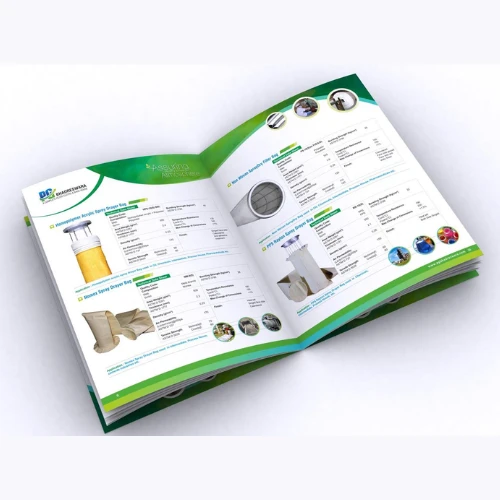
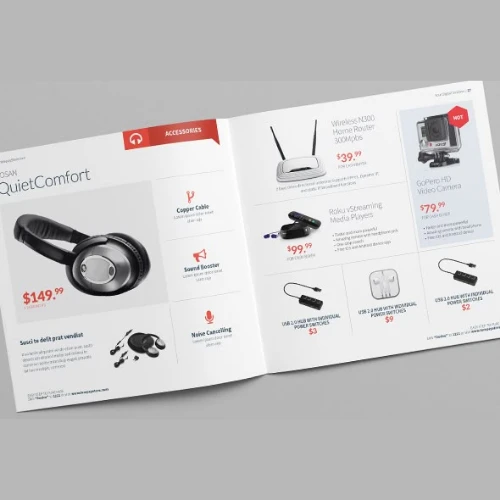
A product catalogue focuses mainly on showcasing a company’s product range. It includes clear product images, specifications, pricing details, and brief descriptions. Businesses use this type to help customers easily compare different options before making a purchase.

Source:https://in.pinterest.com/
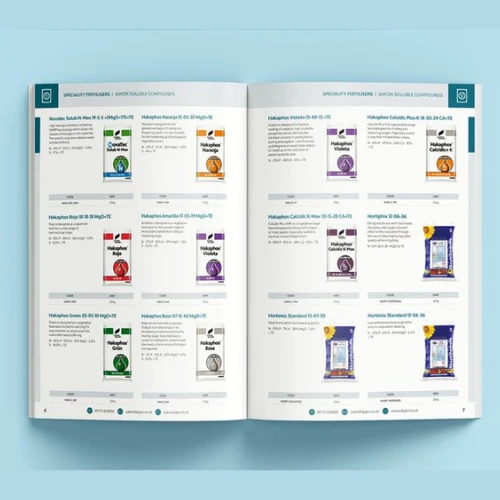
Source:https://in.pinterest.com/
Source:https://in.pinterest.com/
Source:https://in.pinterest.com/
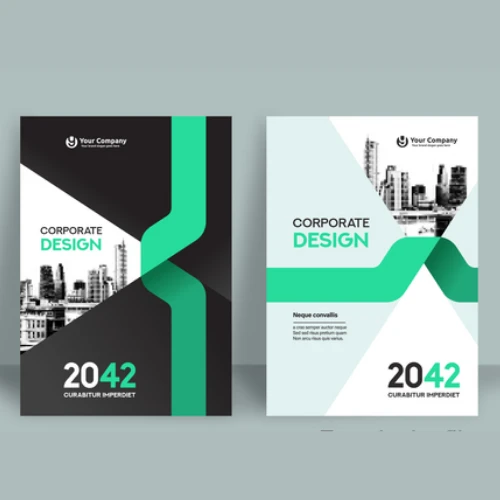
b) Corporate Catalogue
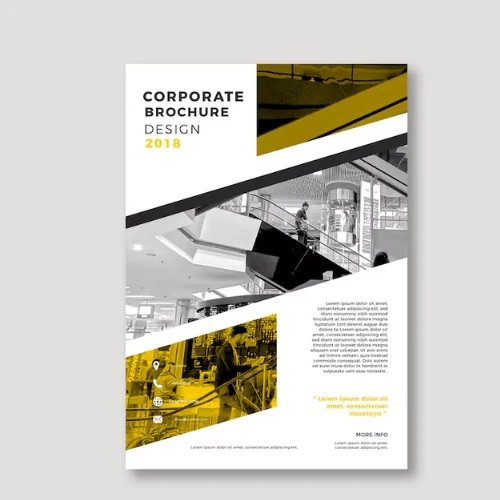
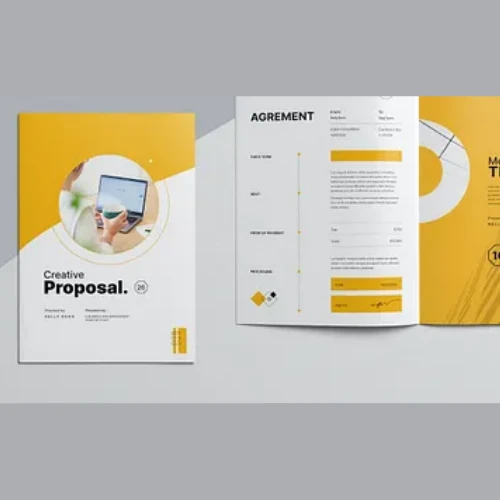
Corporate catalogues highlight a company’s background, values, services, and achievements. Along with products, they often include company history, certifications, manufacturing capabilities, and client portfolios. These are commonly used for presentations, exhibitions, and business meetings.

Source:https://in.pinterest.com/
Source:https://in.pinterest.com/
Source:https://in.pinterest.com/
Source:https://in.pinterest.com/
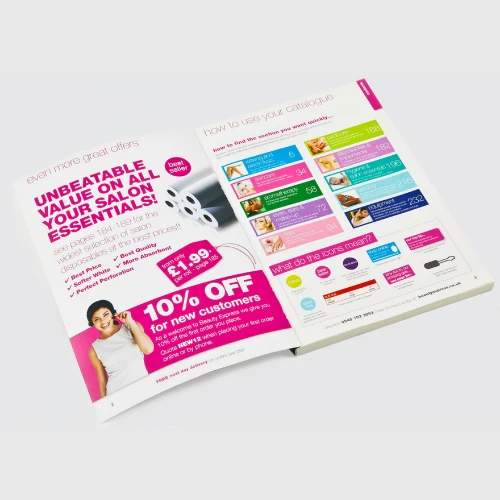
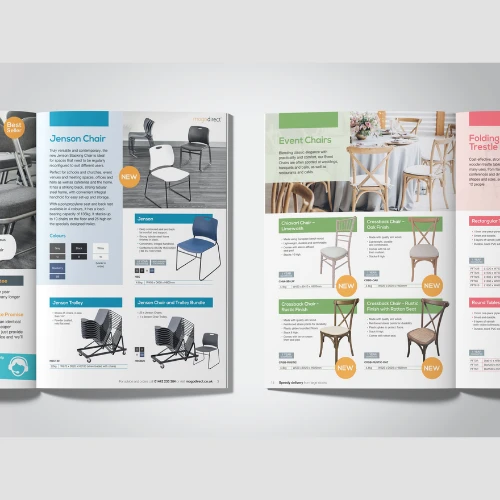
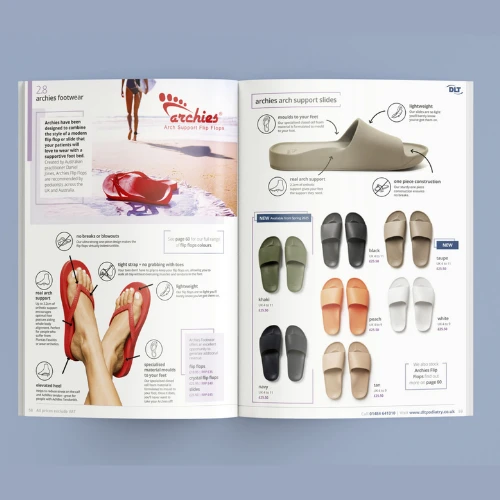
c) Retail Catalogue
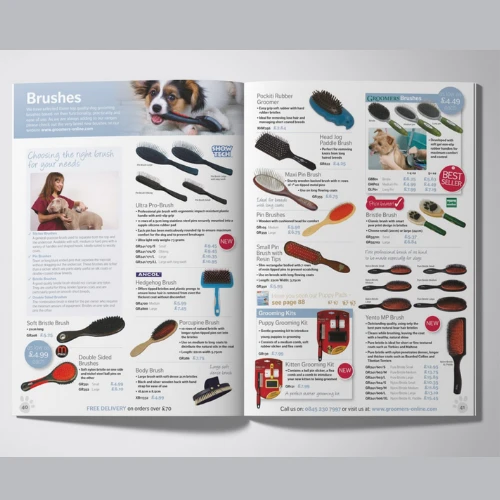
Retail catalogues are designed for direct customer engagement. They feature attractive design layouts, promotional offers, seasonal products collections, and lifestyle real imagery to encourage the quick buying decisions in physical stores or through mail-order sales.
Source:https://in.pinterest.com/
Source:https://in.pinterest.com/
Source:https://in.pinterest.com/
Source:https://in.pinterest.com/
d) Fashion Catalogue
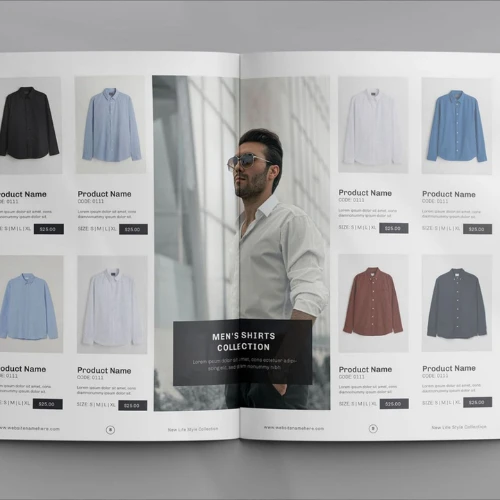
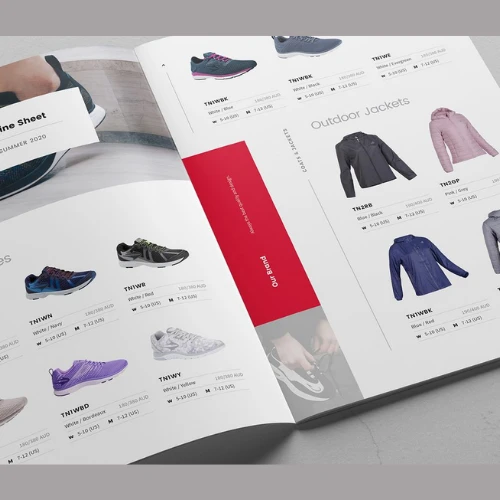
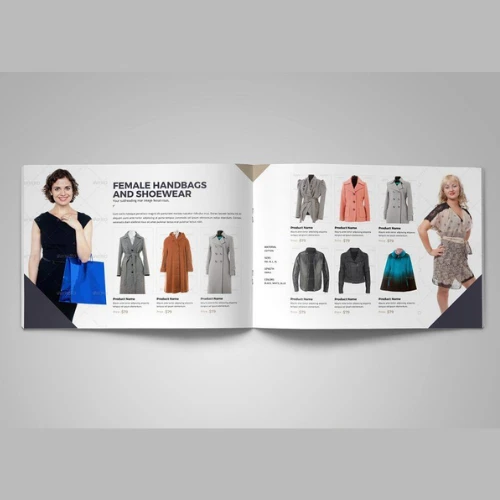
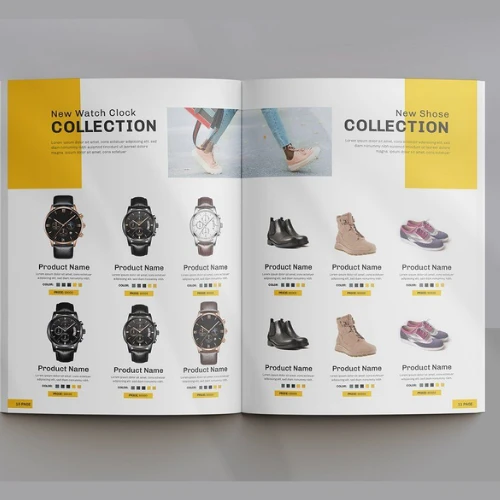
Fashion catalogues focus heavily on visual storytelling. High-quality photography, model shoots, and creative styling help brands present clothing, accessories, or footwear in an aspirational way that appeals to fashion-conscious buyers.
Source:https://in.pinterest.com/
Source:https://in.pinterest.com/
Source:https://in.pinterest.com/
Source:https://in.pinterest.com/
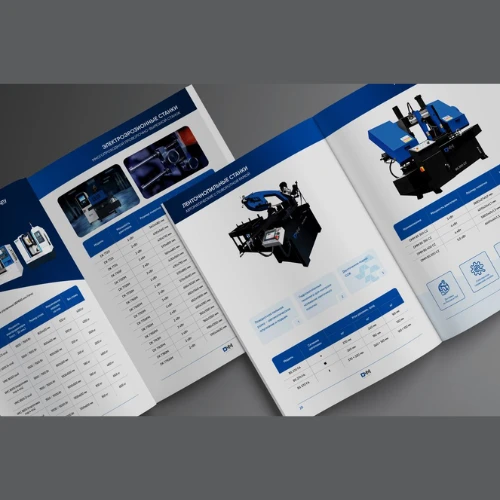
e) Industrial Catalogue
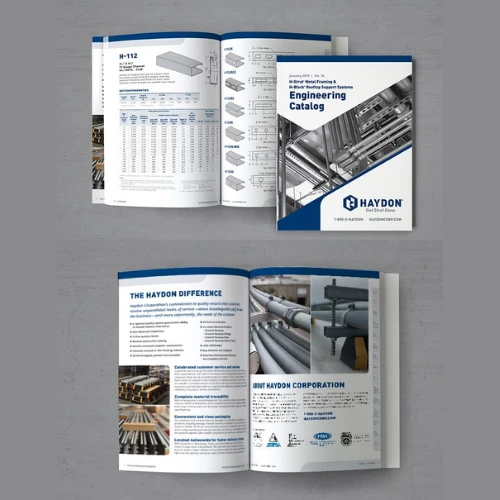
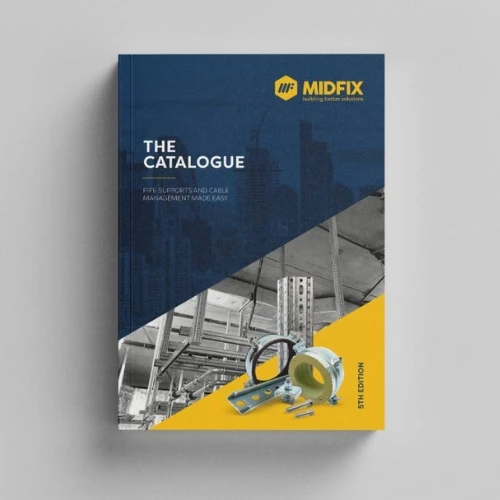
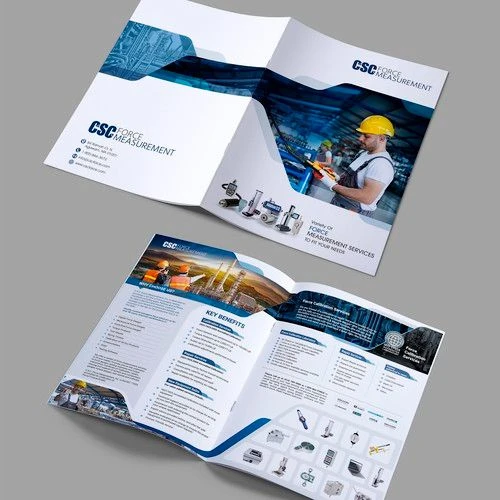
Industrial catalogues are more technical and information-driven. They typically include machinery specifications, technical drawings, product dimensions, and usage instructions, helping buyers in manufacturing or engineering sectors understand product functionality.
Source:https://in.pinterest.com/
Source:https://in.pinterest.com/
Source:https://in.pinterest.com/
Source:https://in.pinterest.com/
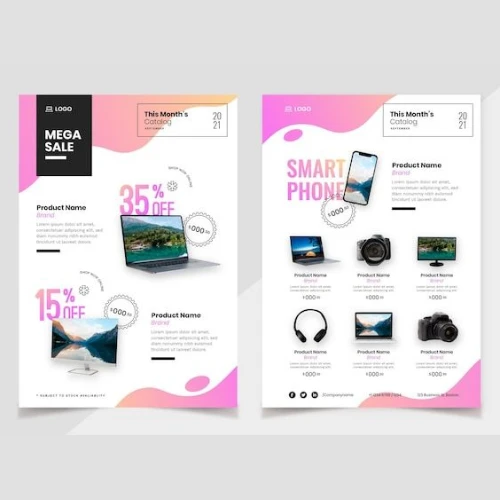
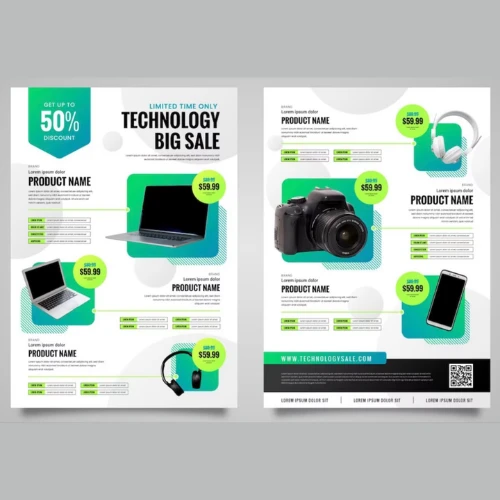
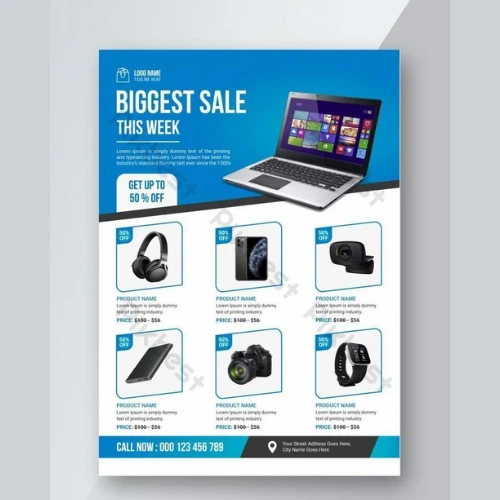
f) E-commerce Catalogue
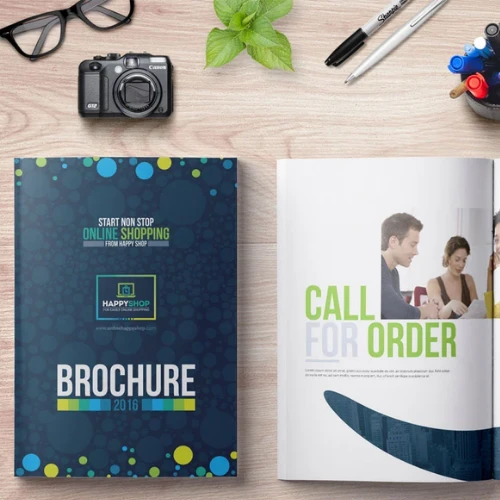
E-commerce catalogues are designed specifically for digital platforms. They organise products with clear categories, quick descriptions, pricing, and call-to-action elements that help customers navigate easily while shopping online.
Source:https://in.pinterest.com/
Source:https://in.pinterest.com/
Source:https://in.pinterest.com/
Source:https://in.pinterest.com/
g) Wholesale Catalogue
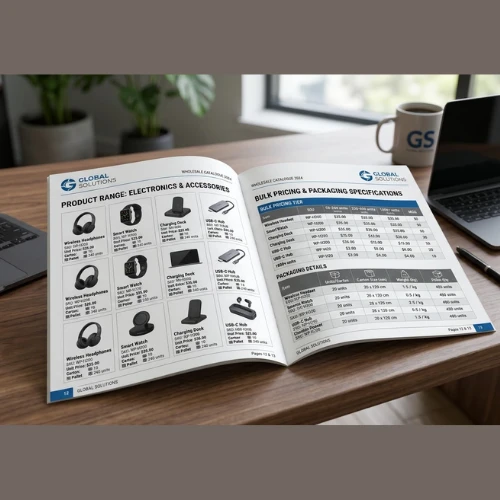
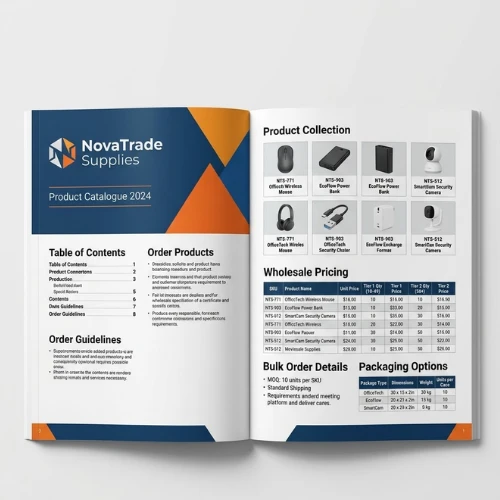
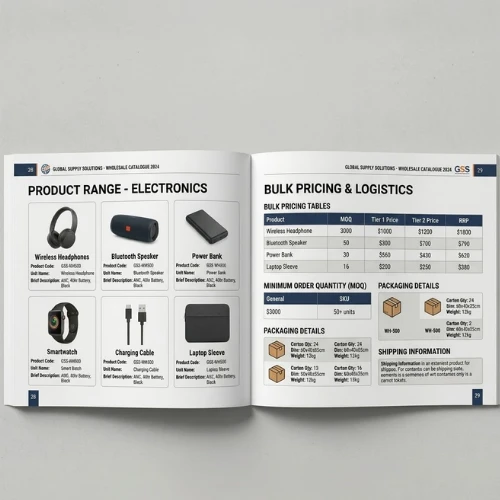
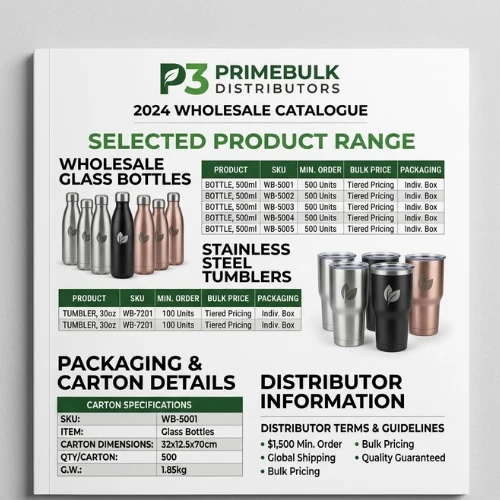
Wholesale catalogues are created for distributors, retailers, and bulk buyers. They focus on product variety, bulk pricing, minimum order quantities, and packaging details to support large-scale purchasing decisions.
Source:https://in.pinterest.com/
Source:https://in.pinterest.com/
Source:https://in.pinterest.com/
Source:https://in.pinterest.com/
Why is Catalogue Design Important for Businesses?
Catalogue design plays a crucial role in how customers perceive and understand a brand’s offerings. A well-structured catalogue helps businesses present their products or services in an organised, visually appealing, and easy-to-navigate format. Instead of overwhelming customers with scattered information, it guides them through categories, highlights key products, and simplifies the buying process.
For many industries, a catalogue acts as a powerful sales tool during meetings, exhibitions, retail promotions, and online marketing. It allows potential buyers to explore product details, compare options, and build confidence in the brand.
Good catalogue design also strengthens brand identity by maintaining consistent colours, typography, and messaging. When done strategically, it not only showcases products effectively but also increases engagement, improves customer trust, and encourages purchasing decisions.
Key Elements of High-Converting Catalogue Design
A catalogue becomes truly effective when design and strategy work together. The following elements play a major role in creating a high-converting catalogue design that attracts attention and encourages customers to take action.
i) Strong Cover Design
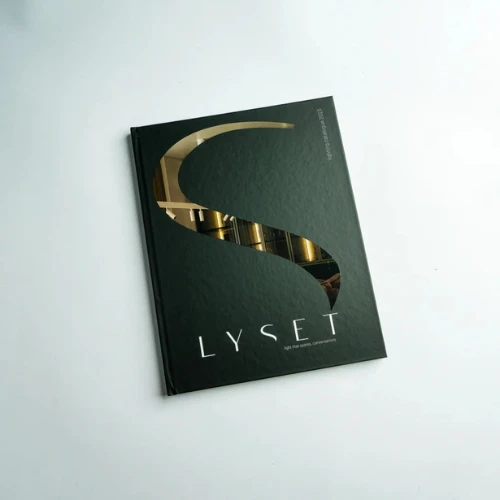
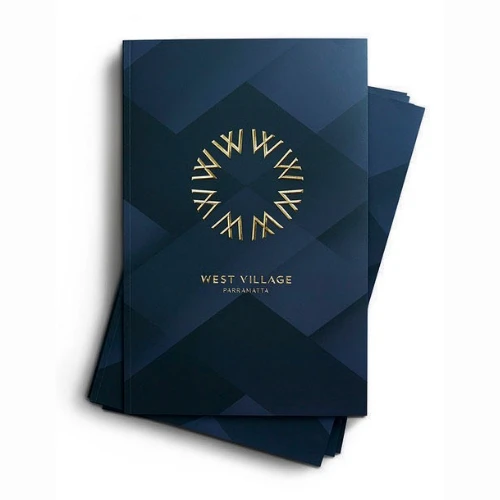
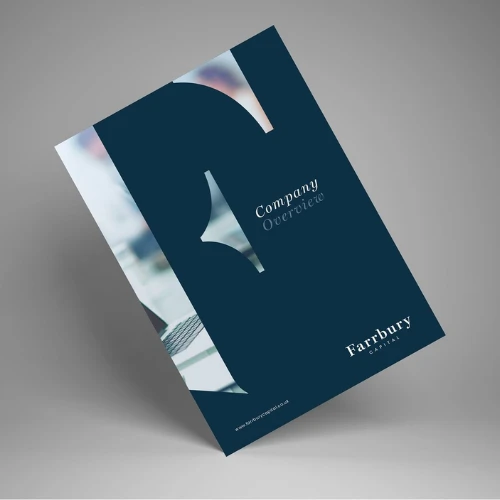
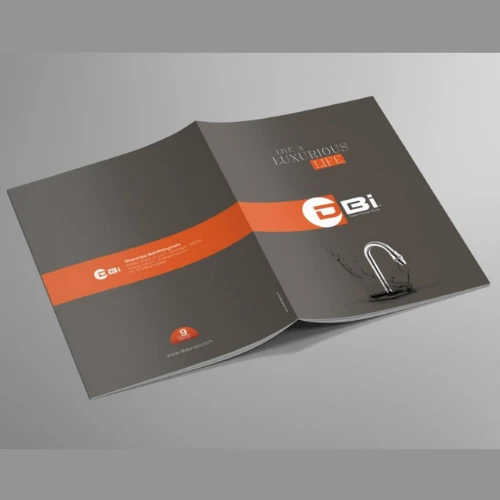
The cover is the first thing readers notice. A visually striking cover with bold typography, attractive imagery, and a clear brand message instantly creates curiosity and encourages people to open the catalogue.
Source:https://in.pinterest.com/
Source:https://in.pinterest.com/
Source:https://in.pinterest.com/
Source:https://in.pinterest.com/
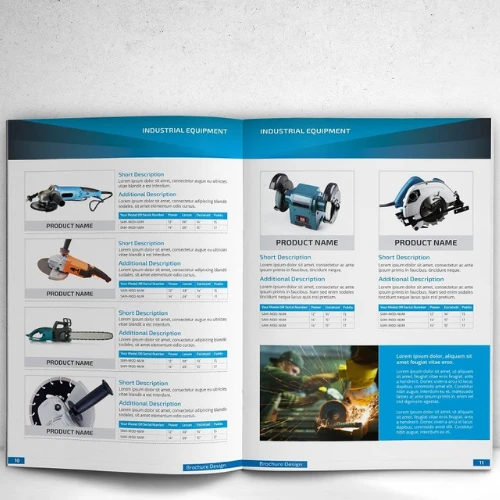
ii) Organised Product Layout
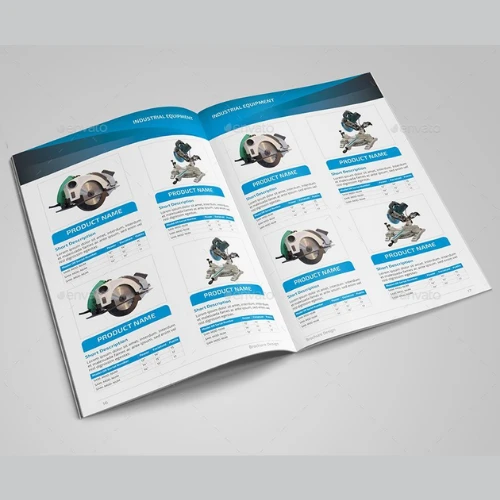
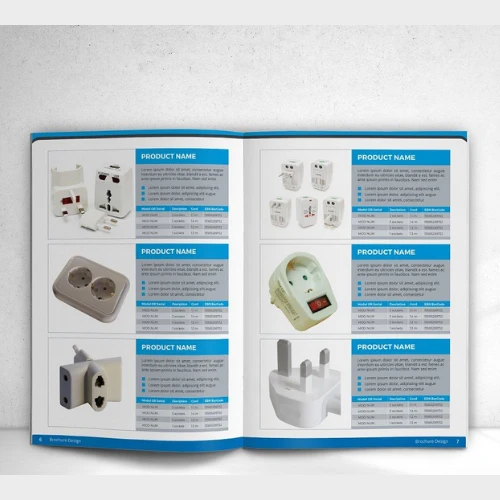
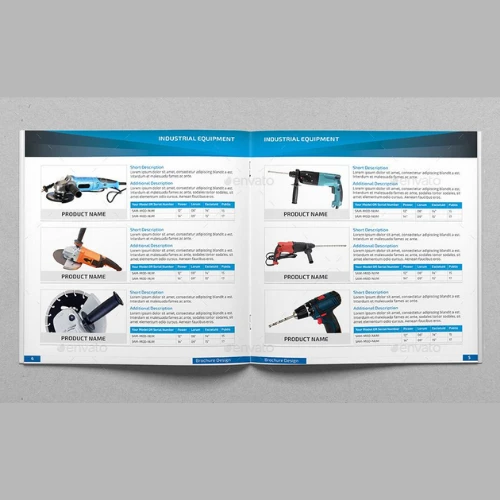
A clean and structured layout helps readers browse products easily. Using clear categories, spacing, and visual hierarchy ensures that customers can quickly locate the products they are interested in without feeling overwhelmed.
Source:https://in.pinterest.com/
Source:https://in.pinterest.com/
Source:https://in.pinterest.com/
Source:https://in.pinterest.com/
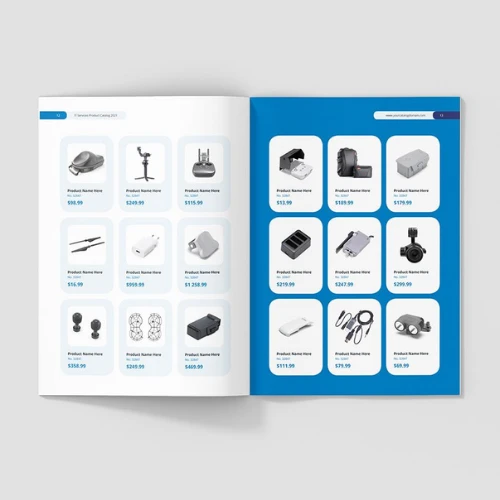
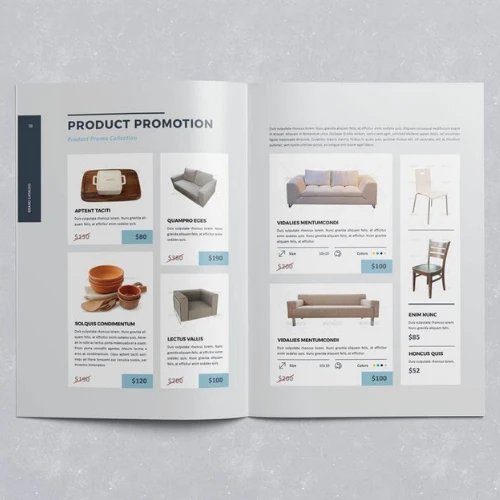
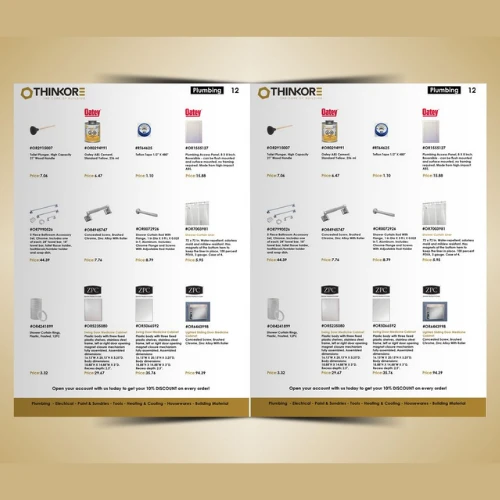
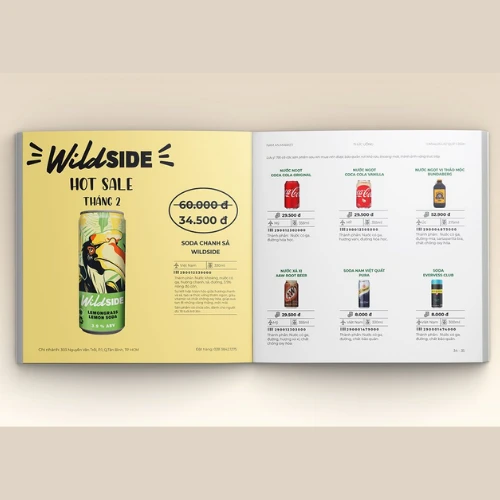
iii) High-Quality Product Photography
Sharp and professional product images make a huge difference in how products are perceived. High-resolution photos highlight details, textures, and colours, helping customers better visualise the product before purchasing.
Source:https://in.pinterest.com/
Source:https://in.pinterest.com/
Source:https://in.pinterest.com/
Source:https://in.pinterest.com/
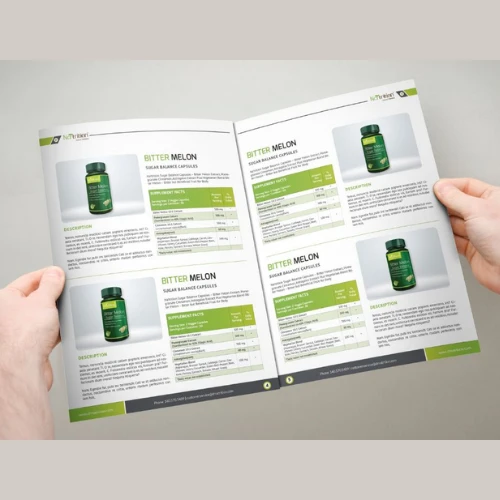
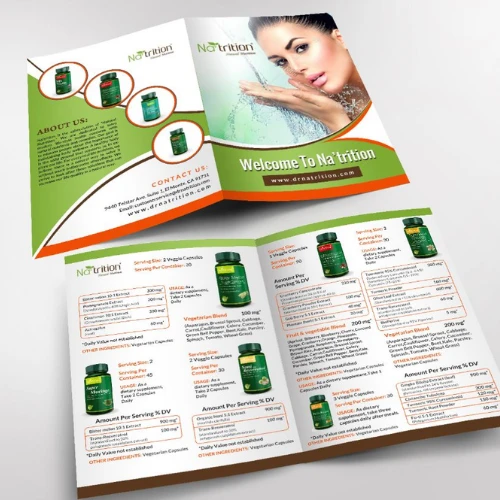
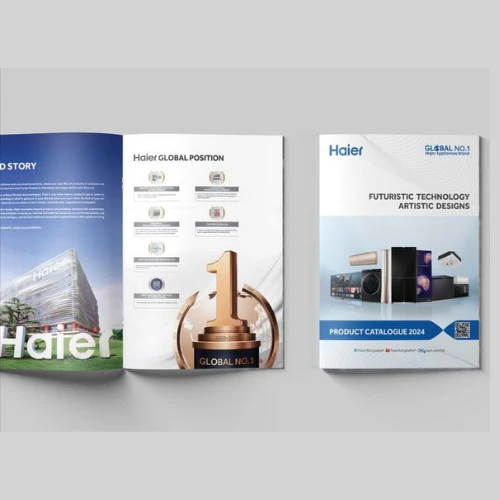
iv) Clear Typography
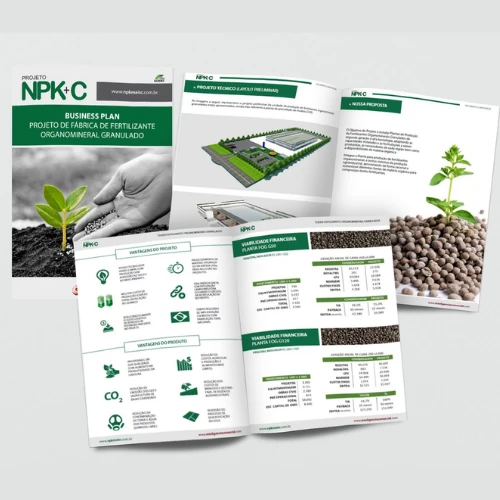
Readable fonts and proper font hierarchy improve the overall user experience. Headlines, product names, descriptions, and pricing should be clearly distinguished so readers can scan information quickly.
Source:https://in.pinterest.com/
Source:https://in.pinterest.com/
Source:https://in.pinterest.com/
Source:https://in.pinterest.com/
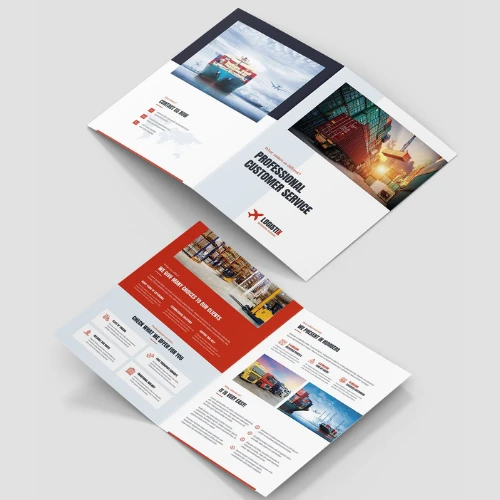
v) Consistent Branding
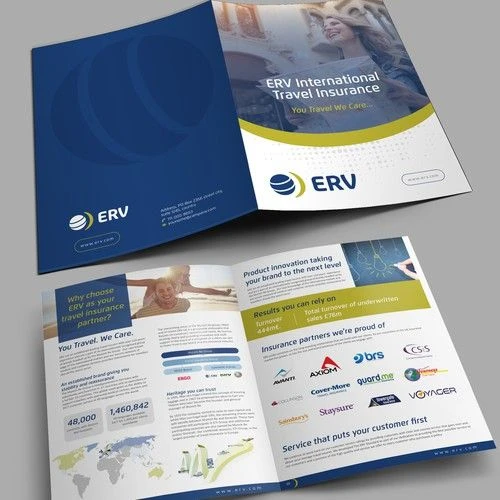
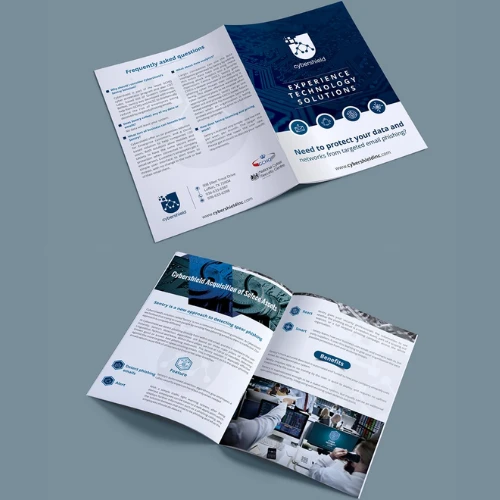
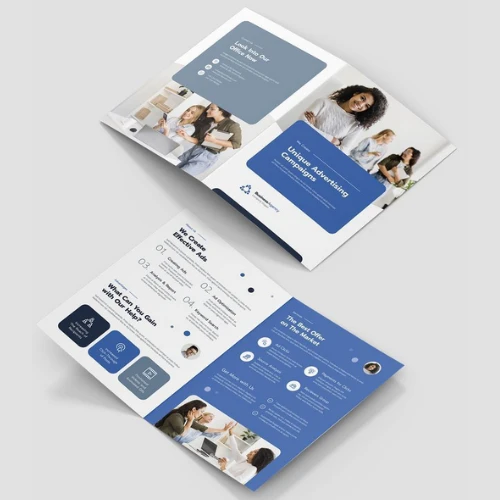
Colours, fonts, icons, and graphic design elements should remain consistent throughout the catalogue. This builds brand recognition and ensures the catalogue reflects the company’s overall brand identity.
Source:https://in.pinterest.com/
Source:https://in.pinterest.com/
Source:https://in.pinterest.com/
Source:https://in.pinterest.com/
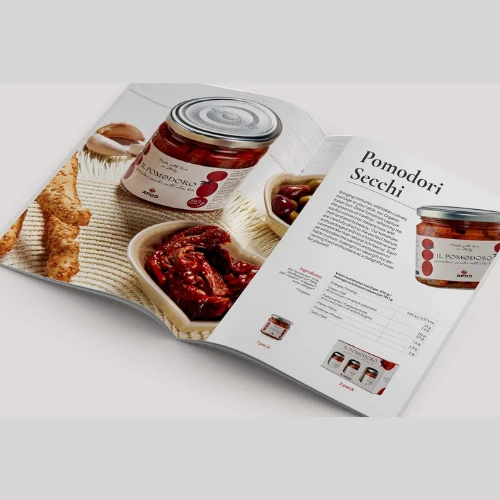
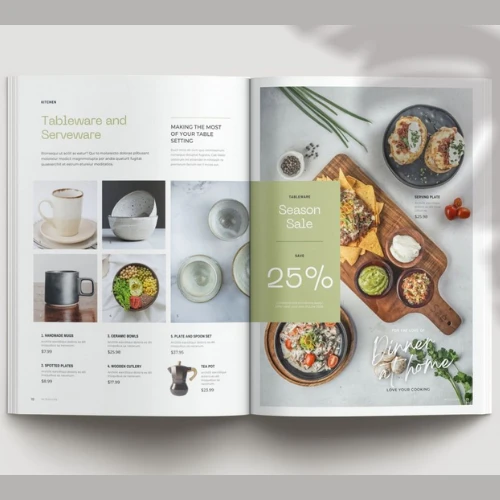
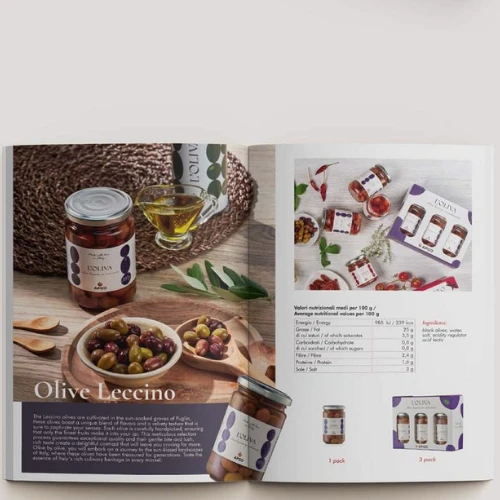
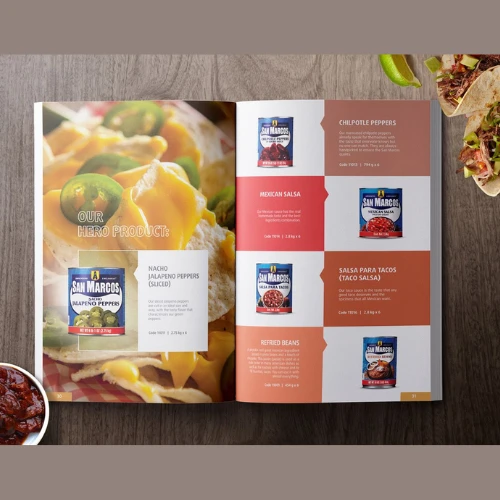
vi) Engaging Product Descriptions
Short, informative descriptions help customers understand product benefits, features, and usage. Clear information increases trust and helps buyers make confident decisions.
Source:https://in.pinterest.com/
Source:https://in.pinterest.com/
Source:https://in.pinterest.com/
Source:https://in.pinterest.com/
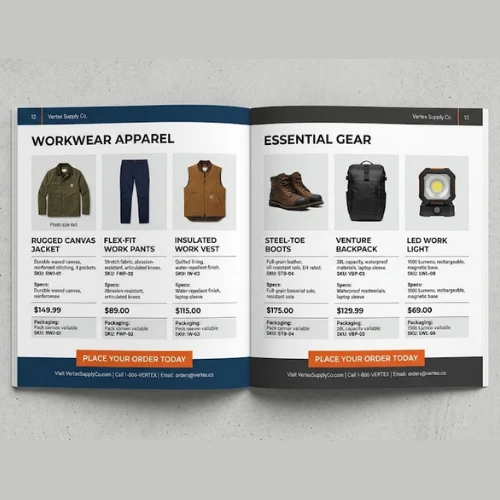
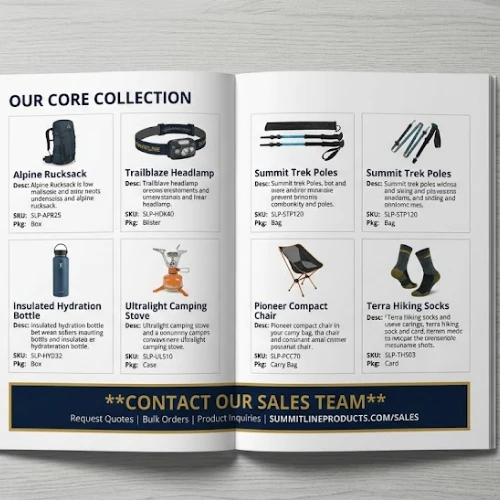
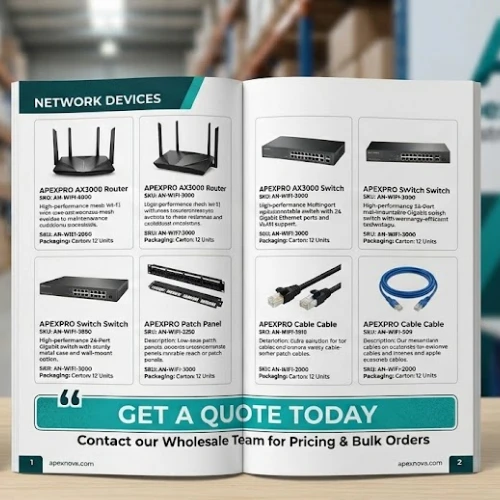
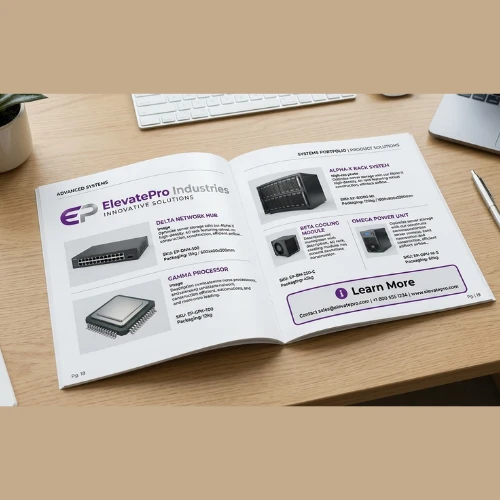
vii) Call-to-Action (CTA)
Every catalogue should guide readers toward the next step. Whether it’s visiting a website, contacting the sales team, or placing an order, strong CTAs help turn interest into actual sales.
Source:https://in.pinterest.com/
Source:https://in.pinterest.com/
Source:https://in.pinterest.com/
Source:https://in.pinterest.com/
How to Design a Catalogue That Converts
Designing a catalogue that converts readers into buyers requires a mix of strategy, clarity, and strong visual presentation. Each step should guide the customer smoothly from browsing to making a purchase decision.
Step 1: Define Your Target Audience
Start by understanding who the catalogue is for. Identify your target customers, their preferences, budget range, and buying behaviour. A catalogue designed for retailers, for example, will look very different from one created for luxury consumers.
Step 2: Organise Your Products Strategically
Arrange products into logical categories so readers can navigate easily. Grouping items by type, use, or collection helps customers quickly find what they are looking for and encourages them to explore more options.
Step 3: Use Professional Photography
High-quality product images are essential. Clear, detailed photos highlight product features and make the catalogue visually engaging. Professional photography also increases trust and makes products appear more valuable.
Step 4: Focus on Clear Information
Every product should include concise details such as specifications, benefits, pricing, or usage. Clear and well-structured information reduces confusion and helps buyers compare options confidently.
Step 5: Add Conversion Elements
Include strong calls-to-action, contact details, QR codes, or website links. These elements guide readers on what to do next—whether it’s placing an order, visiting a website, or contacting the sales team.
Step 6: Optimise for Print and Digital
Modern catalogues should work across both print and digital platforms. Optimising layout, resolution, and file size ensures a smooth viewing experience on websites, tablets, and mobile devices.
Conclusion:
Great catalogue design does more than arrange products on pages—it shapes how customers explore, compare, and ultimately choose what to buy. When layout structure, product photography, typography, and brand storytelling come together, a catalogue becomes a powerful sales tool rather than just a product list. The 50+ catalogue design examples shared above show how thoughtful design can capture attention, build trust, and guide customers toward confident purchasing decisions.
Businesses that invest in strategic catalogue design often see better engagement because customers can easily understand the value of each product. A well-planned catalogue also strengthens brand identity and creates a more professional impression in both print and digital formats.
If you are planning to create or upgrade your catalogue, working with experts can make a big difference. LogoPeople specialises in designing visually compelling catalogues that highlight your products and encourage conversions. The right design approach can turn simple browsing into meaningful business growth.
Author: Anush Malik

Being a strategist’s head and a long term visionary personality aims to achieve excellence in branding, packaging and digital marketing field. My 15 years of design experience and masters degree ais my strength which keeps me motivated and keep me going positively. I have participated in extensive branding design conquests in India, USA, Australia and New Zealand with winning zeal. My objective is to encourage start-ups and hence involves actively in the articles which will act as a productive intake of knowledge for them. Do connect me personally via my LinkedIn and I love to share my expertise with you.