
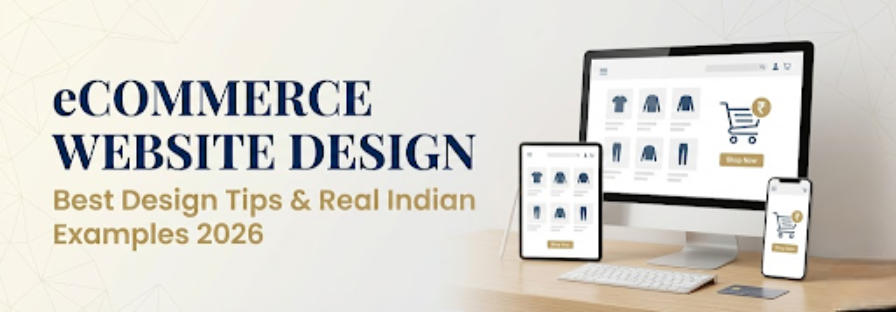
India’s e-commerce market is expected to cross USD 200 billion by 2026, and design is one of the biggest growth drivers behind this surge. Studies show that near about 75% of users judge a brand’s credibility based on website design, while a 1-second delay in page load can drop conversions by up to 7%. That’s why eCommerce website design in 2026 is no longer about looking good—it’s about performing better.
As an industry professional working closely with Indian D2C brands, marketplaces, and startups, I’ve seen how smart UX, mobile-first layouts, and conversion-focused UI directly impact sales. Indian shoppers today expect fast loading, regional relevance, intuitive user-friendly navigation, and trust-building signals right from the homepage.
In this guide, we break down the best eCommerce website design tips for 2026, backed by real Indian examples that are winning attention, engagement, and revenue every year. If your online store isn’t converting, chances are your website design is weak, not your product, which is the real problem.
Table of Contents
How To Design An eCommerce Website In 7 Steps
Designing an eCommerce website today is not just about aesthetics—it’s about building a smooth buying journey that converts visitors into customers. Below are the 7 practical and industry-proven steps to design an eCommerce website that will perform well in the Indian market and make it future-ready.
1. Design with a Mobile-First Mindset
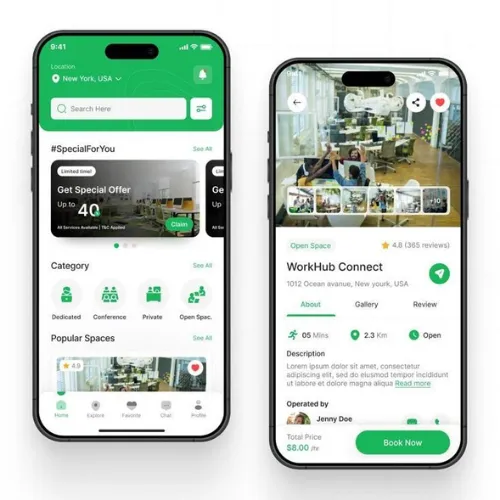
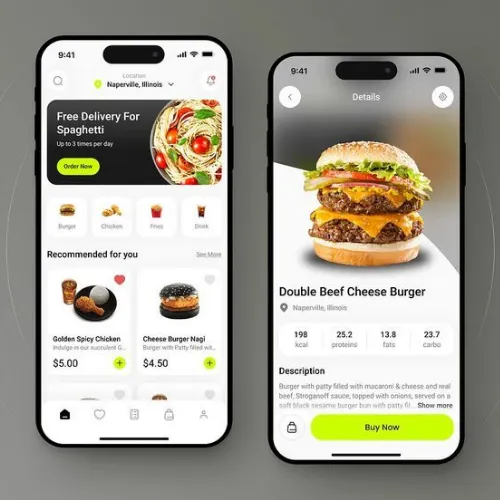
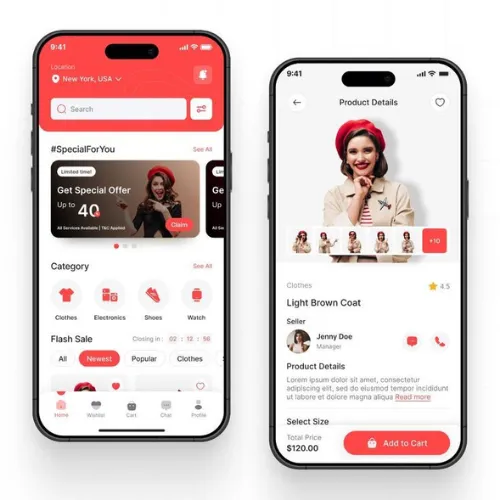
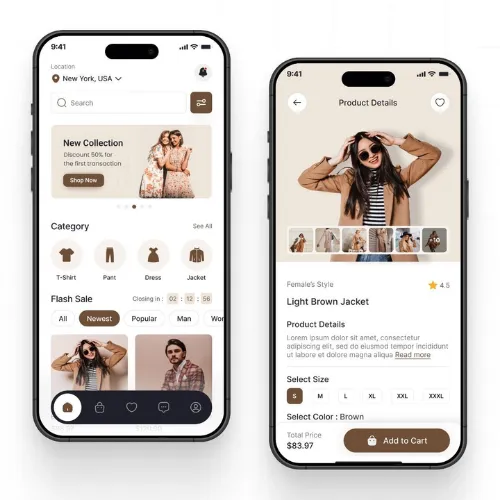
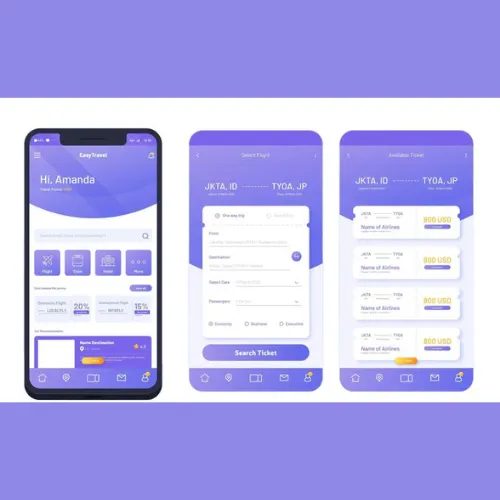
Over 70% of online shoppers in India browse and buy through smartphones. Start by designing for smaller screens — there should be thumb-friendly buttons, fast-loading pages, and, most importantly, clean layouts that ensure better usability and higher conversions on mobile devices.
Source:https://in.pinterest.com/
Source:https://in.pinterest.com/
Source:https://in.pinterest.com/
Source:https://in.pinterest.com/
2. Keep Navigation Simple and Buyer-Focused
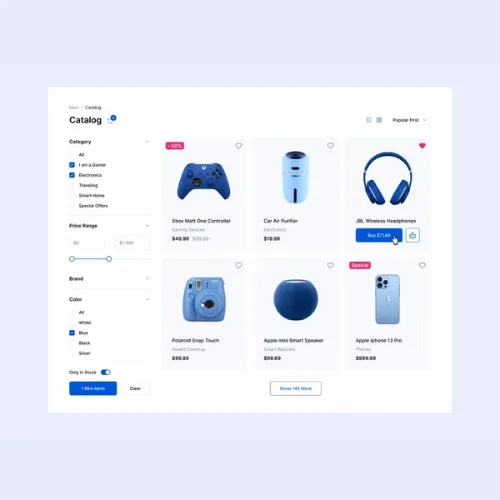
Your navigation should help users reach products in two to three clicks. Use clear categories, smart filters, and search bars. Avoid clutter. A buyer should never feel lost while browsing your online store.
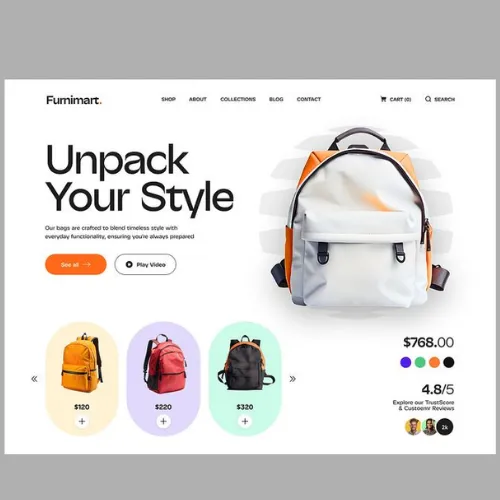
Source:https://in.pinterest.com/
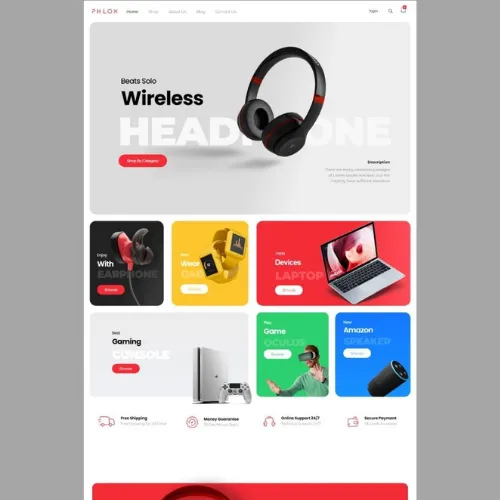
Source:https://in.pinterest.com/
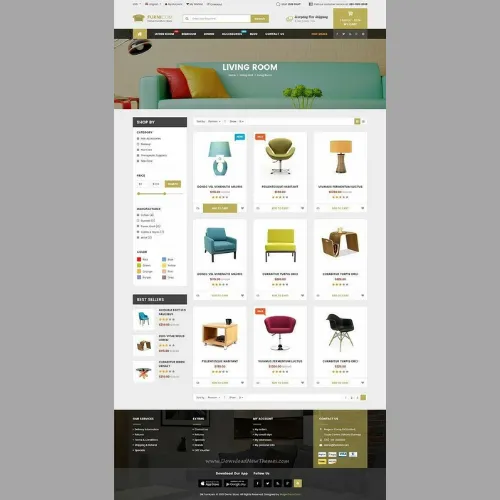
Source:https://in.pinterest.com/
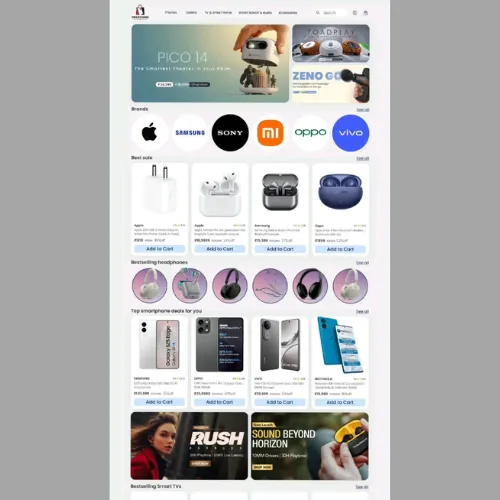
Source:https://in.pinterest.com/
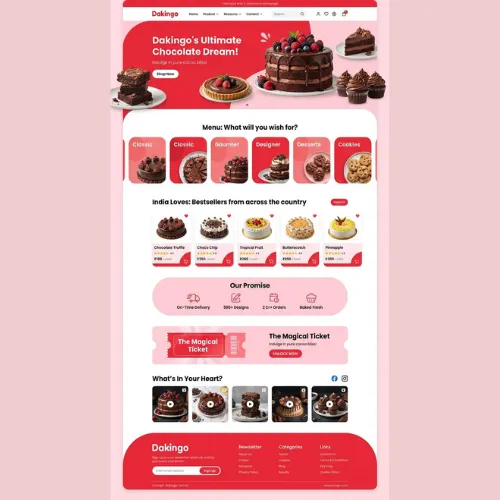
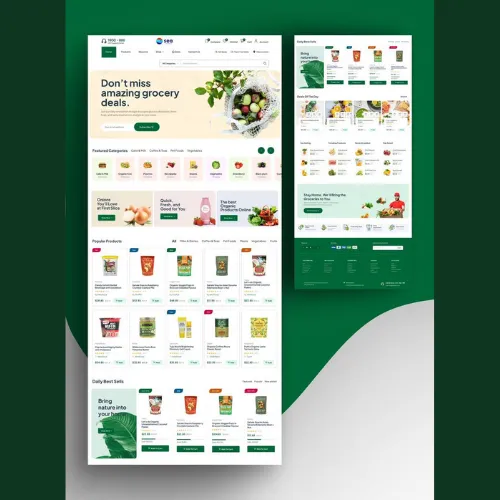
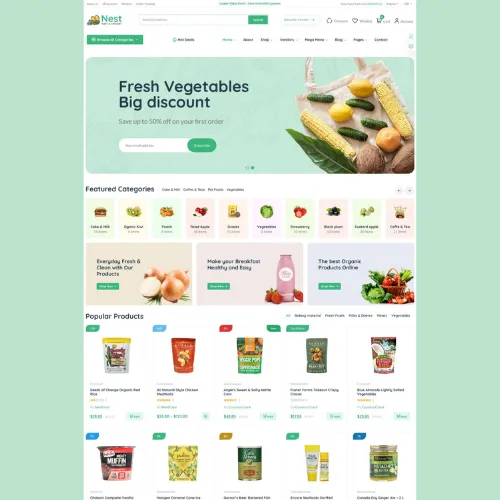
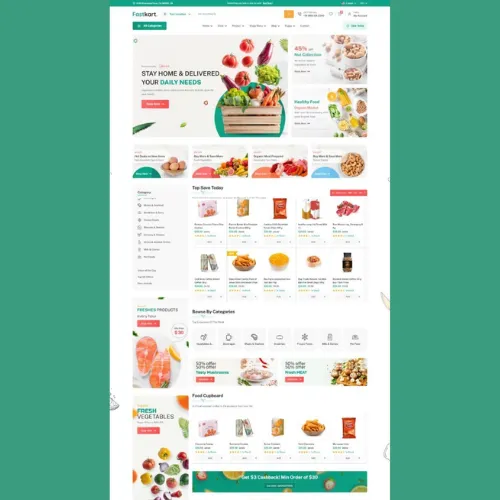
3. Use Visual Hierarchy to Guide Purchase Decisions
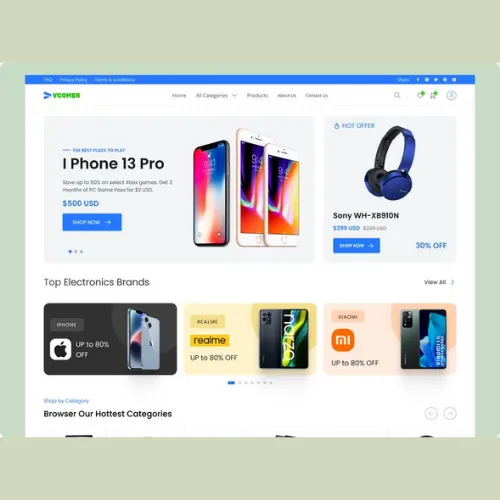
Strategic use of fonts, colours, spacing, and proper placement of CTAs directs attention of users, where it matters most—offers, product benefits, and “Buy Now” buttons. Good visual hierarchy subtly nudges users toward purchase actions.
Source:https://in.pinterest.com/
Source:https://in.pinterest.com/
Source:https://in.pinterest.com/
Source:https://in.pinterest.com/
4. Create High-Impact Product Pages
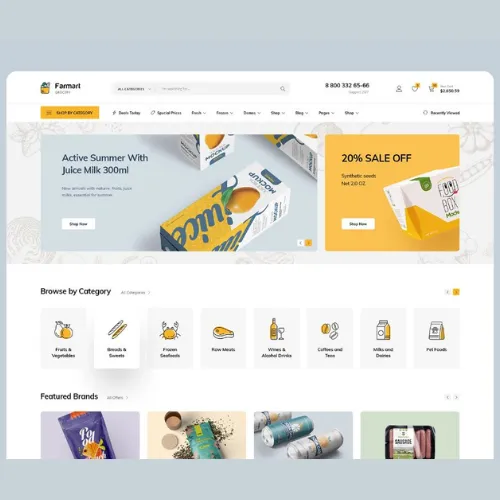
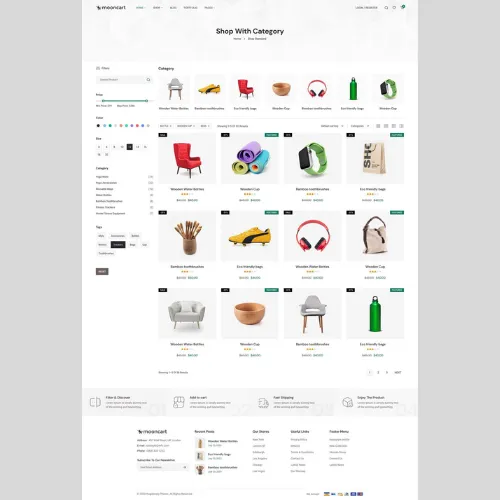
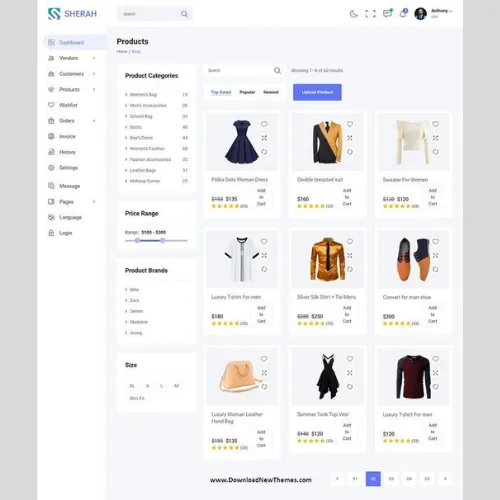
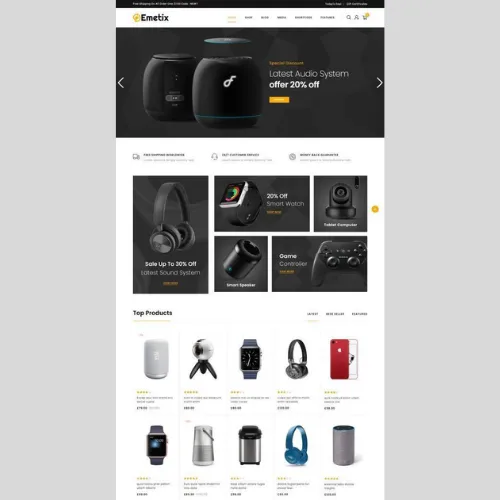
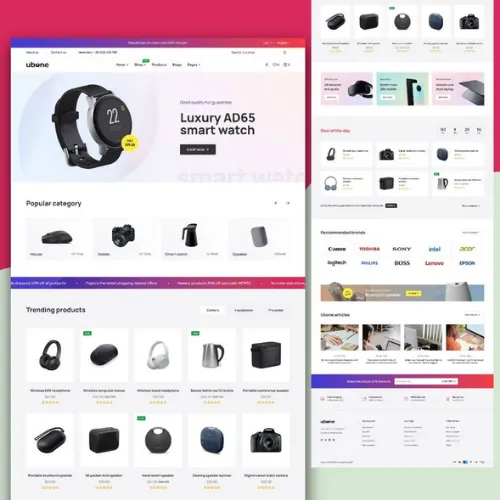
Product pages should answer every buyer question. Use high-quality images, short videos, clear pricing, benefits, specifications, reviews, and FAQs. Strong brand storytelling builds confidence and reduces drop-offs.
Source:https://in.pinterest.com/
Source:https://in.pinterest.com/
Source:https://in.pinterest.com/
Source:https://in.pinterest.com/
5. Build Trust Through Smart Design Elements
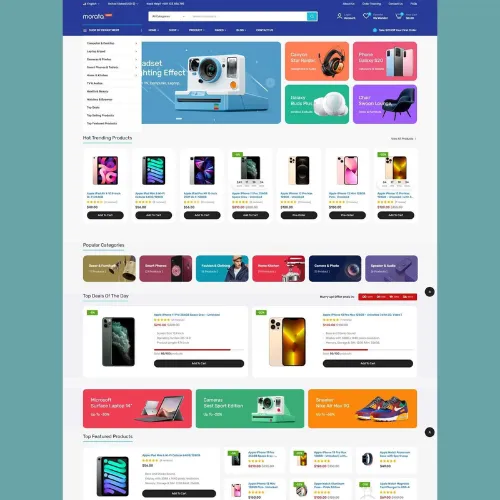
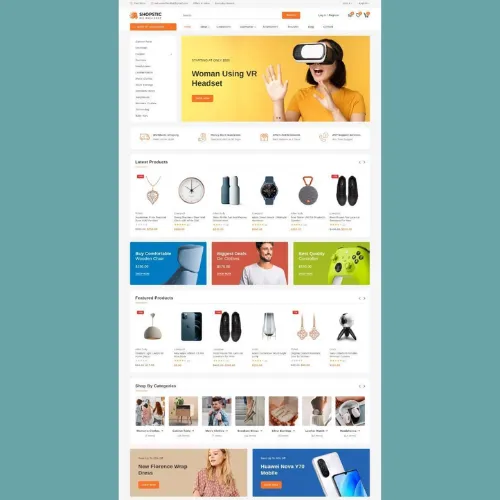
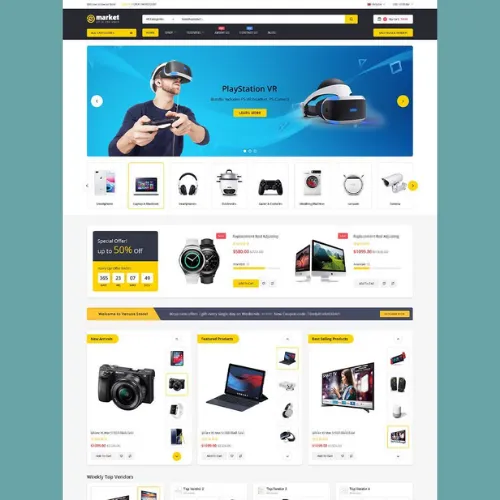
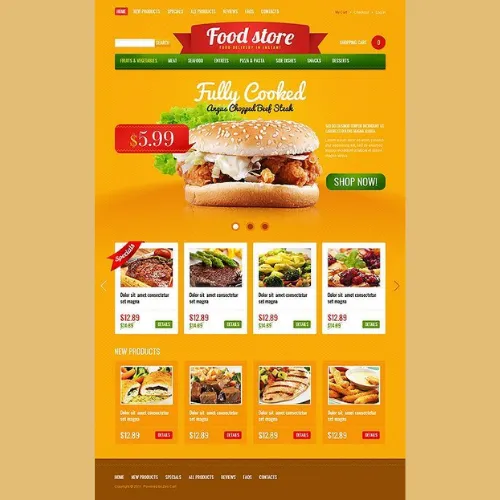
Trust badges, secure payment icons, customer reviews, return policies, and contact details increase credibility. In India, trust-driven design directly impacts purchase decisions, especially for new or D2C brands.
Source:https://in.pinterest.com/
Source:https://in.pinterest.com/
Source:https://in.pinterest.com/
Source:https://in.pinterest.com/
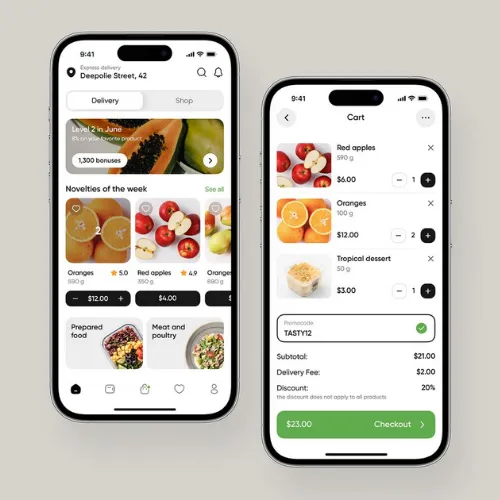
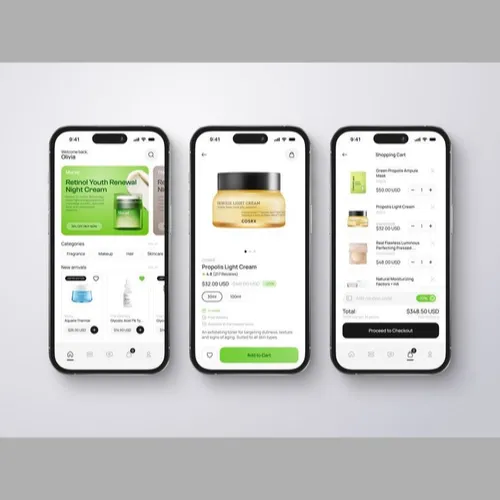
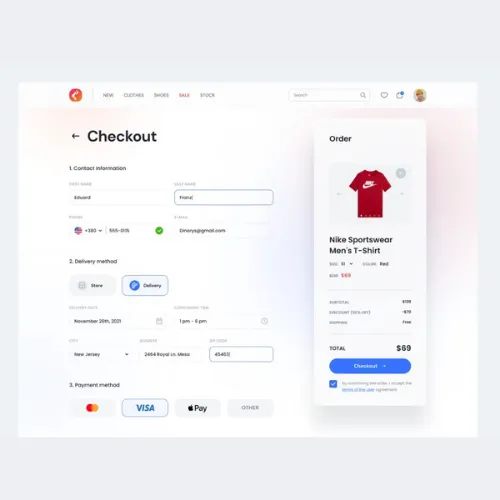
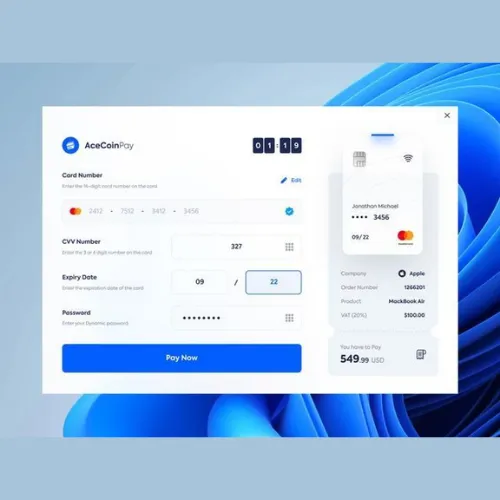
6. Optimise Checkout for Speed and Ease
A long checkout kills conversions. Enable guest checkout, reduce form fields, offer multiple payment options, and show progress indicators. Faster checkout equals fewer abandoned carts.
Source:https://in.pinterest.com/
Source:https://in.pinterest.com/
Source:https://in.pinterest.com/
Source:https://in.pinterest.com/
7. Design for Scalability and Future Growth
Your eCommerce website should support new products, categories, traffic spikes, and integrations. Flexible layouts, modular design, and scalable tech ensure long-term growth without frequent redesigns.
A well-designed eCommerce website doesn’t just attract visitors—it converts them consistently.
Source:https://in.pinterest.com/
Source:https://in.pinterest.com/
Source:https://in.pinterest.com/
Source:https://in.pinterest.com/
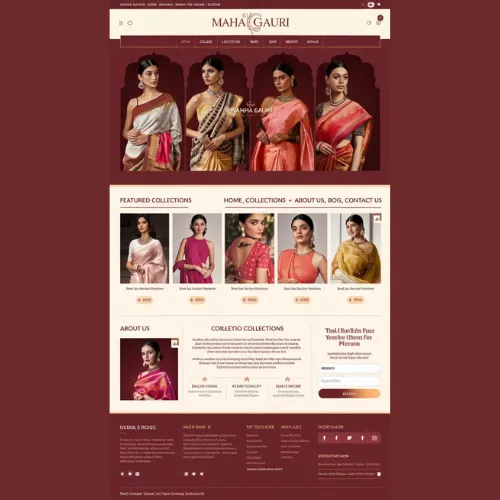
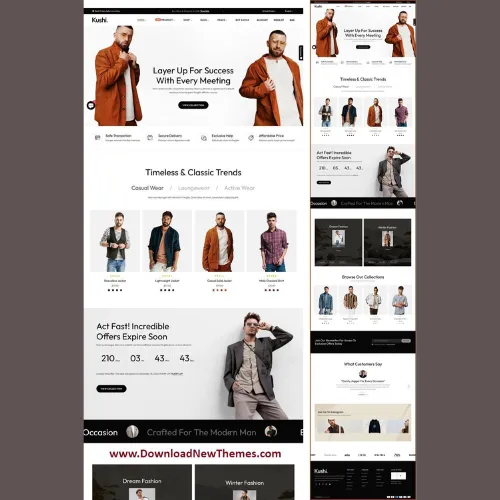
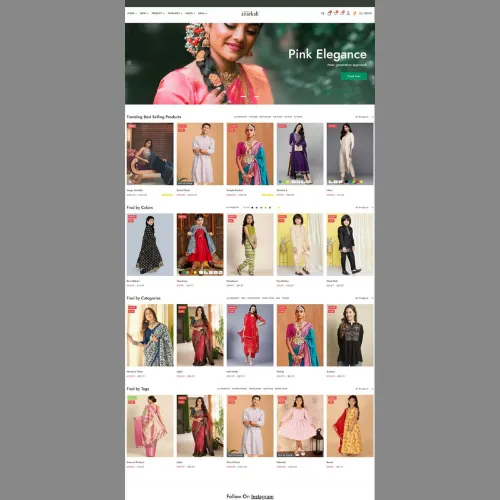
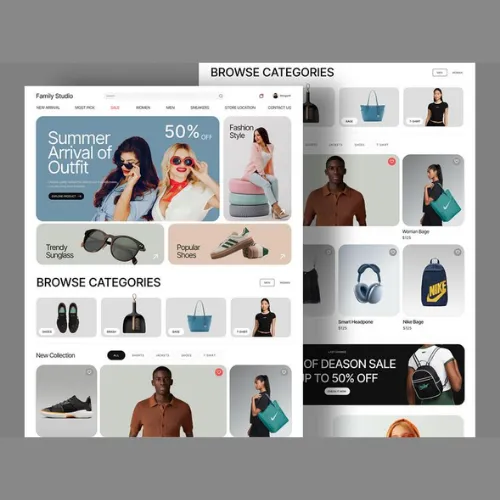
Real Indian eCommerce Website Design Examples (2026)
A- Fashion & lifestyle brands
Source:https://in.pinterest.com/
Source:https://in.pinterest.com/
Source:https://in.pinterest.com/
Source:https://in.pinterest.com/
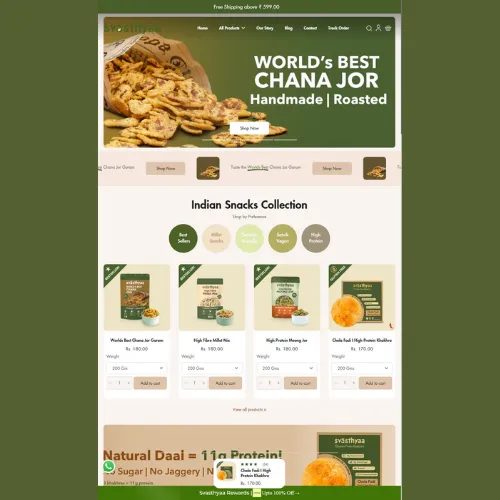
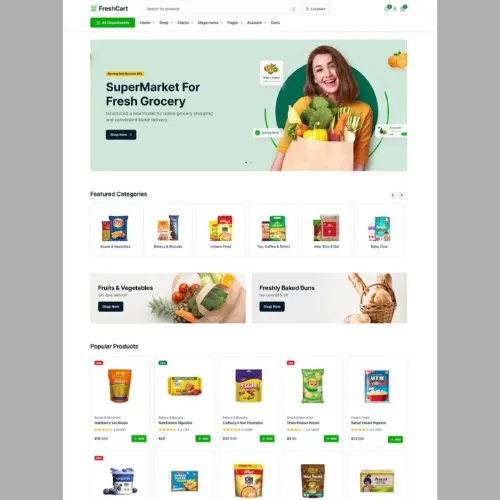
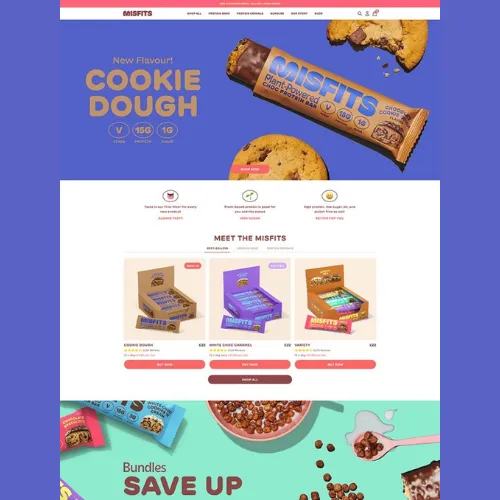
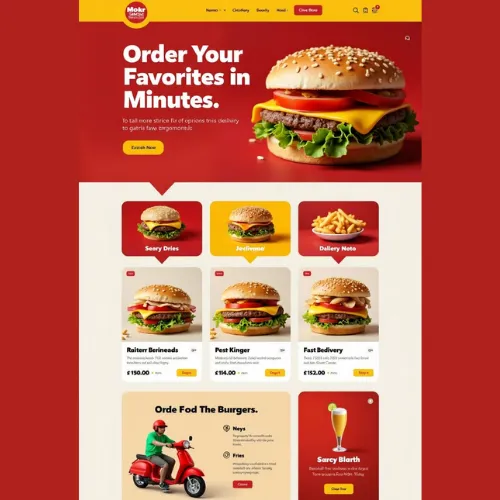
B- D2C food & FMCG brands
Source:https://in.pinterest.com/
Source:https://in.pinterest.com/
Source:https://in.pinterest.com/
Source:https://in.pinterest.com/
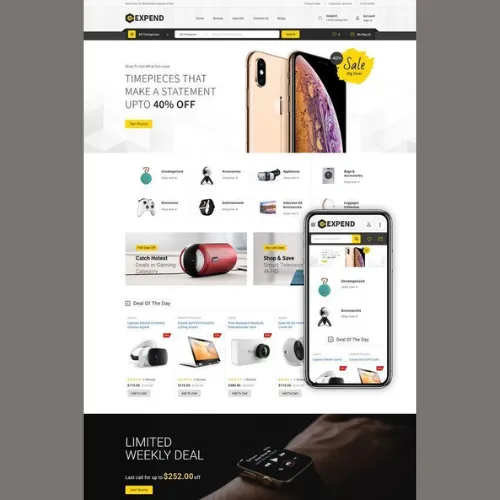
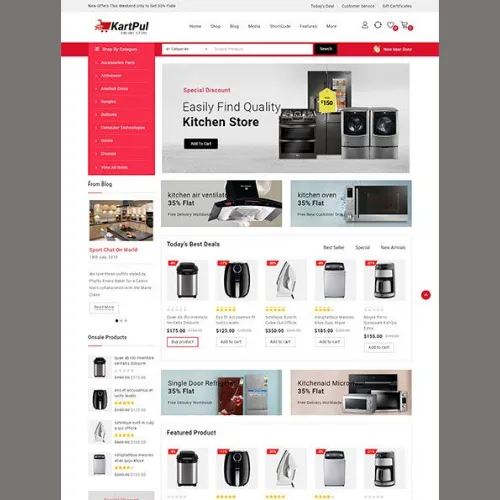
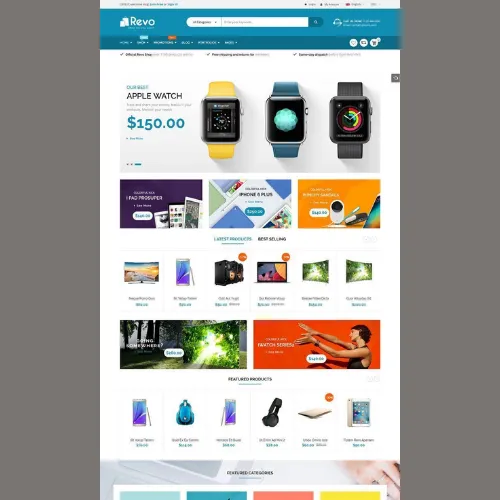
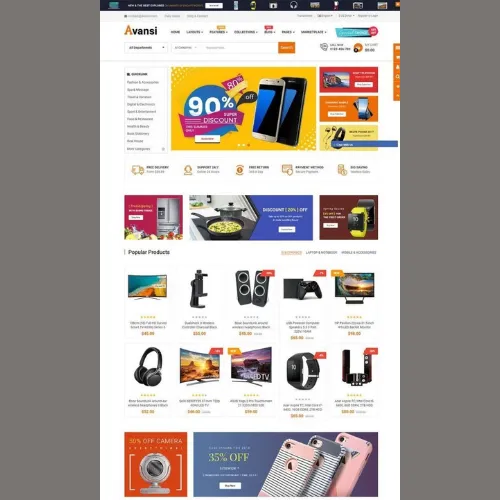
C- Electronics & gadgets stores
Source:https://in.pinterest.com/
Source:https://in.pinterest.com/
Source:https://in.pinterest.com/
Source:https://in.pinterest.com/
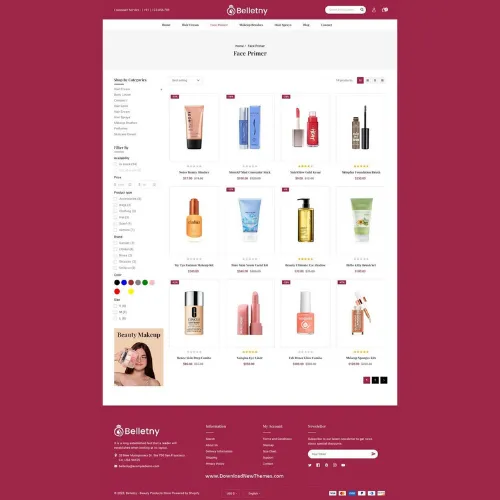
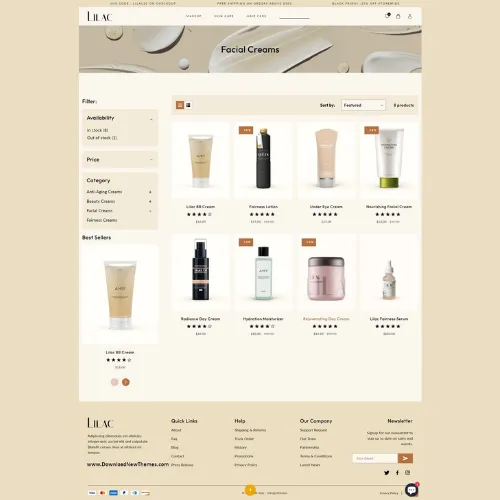
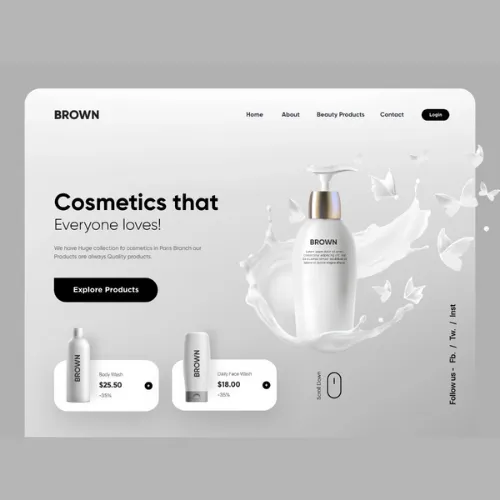
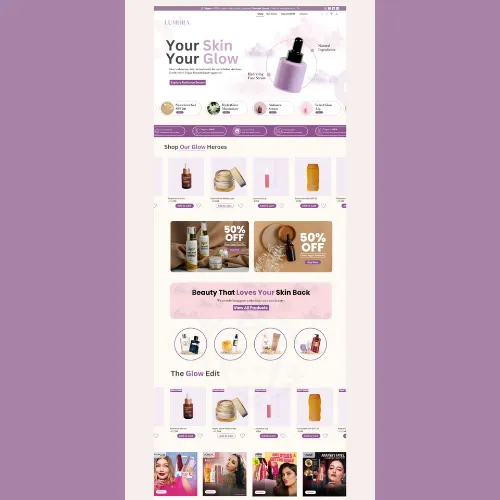
D- Beauty, skincare & wellness brands
Source:https://in.pinterest.com/
Source:https://in.pinterest.com/
Source:https://in.pinterest.com/
Source:https://in.pinterest.com/
Common eCommerce Design Mistakes Indian Brands Must Avoid
Even with strong products and competitive pricing, many Indian eCommerce brands struggle due to avoidable design mistakes. Fixing these issues can significantly improve user experience and conversion rates.
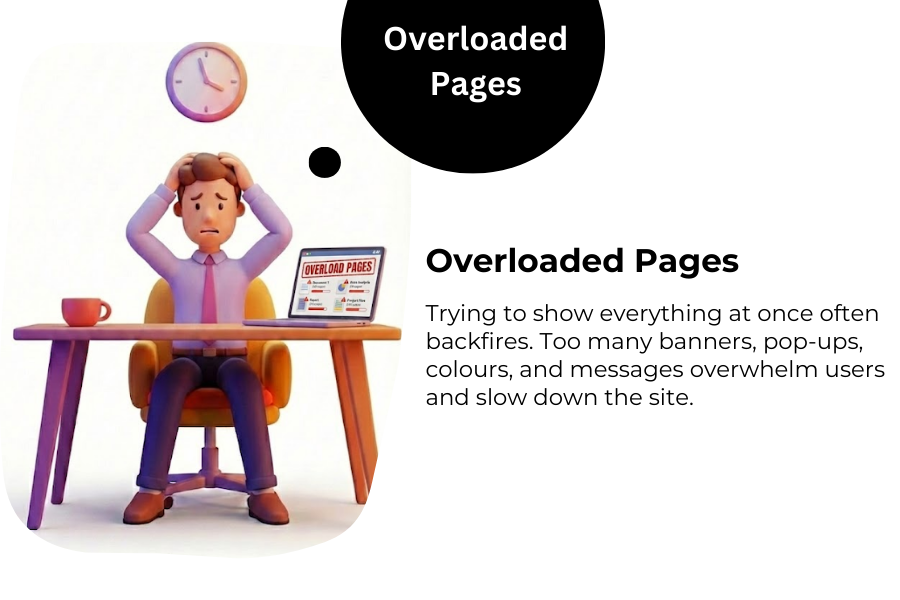
a) Overloaded Pages
Trying to show everything at once often backfires. Too many banners, pop-ups, colours, and messages overwhelm users and slow down the site. Indian shoppers prefer clarity. Clean layouts with focused content help users scan faster and make confident buying decisions.
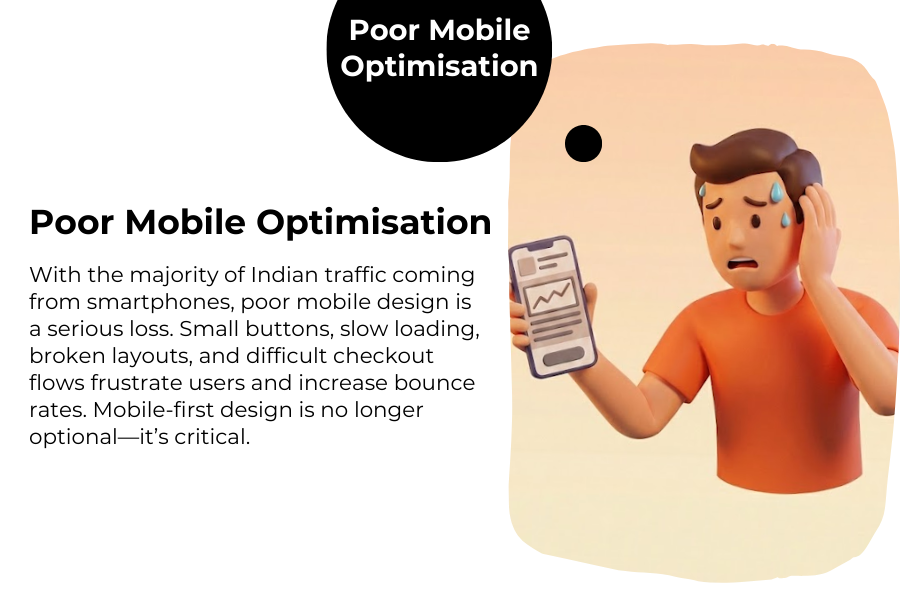
b) Poor Mobile Optimisation
With the majority of Indian traffic coming from smartphones, poor mobile design is a serious loss. Small buttons, slow loading, broken layouts, and difficult checkout flows frustrate users and increase bounce rates. Mobile-first design is no longer optional—it’s critical.
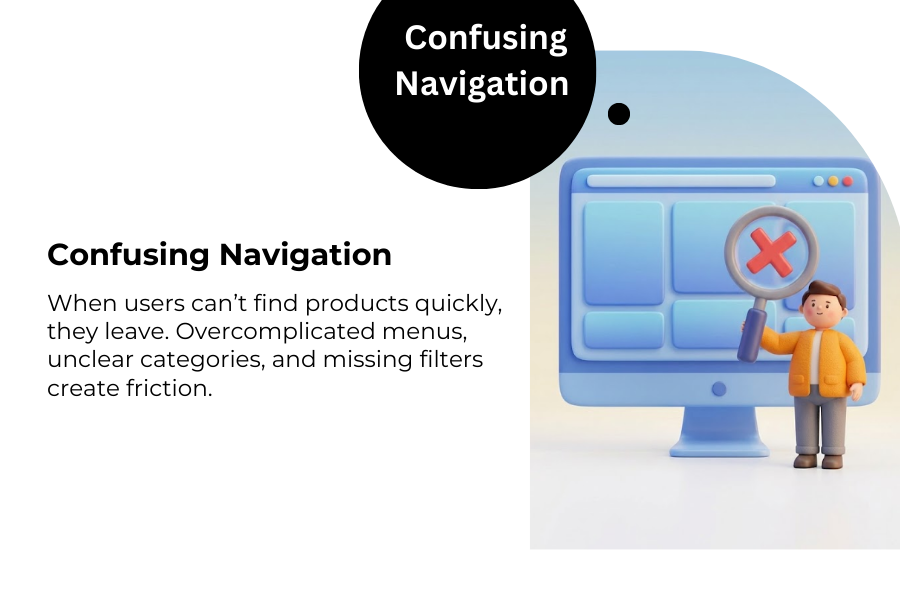
c) Confusing Navigation
When users can’t find products quickly, they leave. Overcomplicated menus, unclear categories, and missing filters create friction. Navigation should mirror how Indian buyers think and search, using familiar terms and logical product grouping.
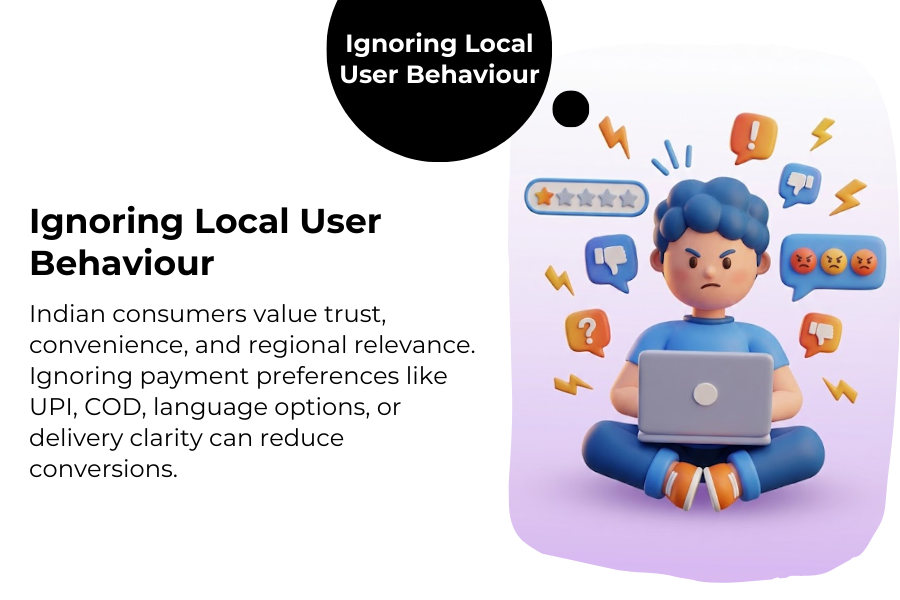
d) Ignoring Local User Behaviour
Indian consumers value trust, convenience, and regional relevance. Ignoring payment preferences like UPI, COD, language options, or delivery clarity can reduce conversions. Design should reflect local habits, not global templates.
Avoiding these common eCommerce design mistakes helps Indian brands build faster, clearer, and more conversion-focused online stores.
Conclusion:
Strong eCommerce website design in 2026 is no longer about trends alone—it’s about creating fast, intuitive, and trust-driven shopping experiences tailored for Indian consumers. From mobile-first layouts and clear navigation to high-converting product pages and simplified checkout flows, every design choice directly impacts sales and brand perception. The Indian eCommerce space is highly competitive, and brands that invest in performance-focused design consistently outperform those that don’t.
If your online store feels outdated or struggles to convert traffic, it’s time to rethink your design strategy. This is where LogoPeople can help. With deep expertise in eCommerce website design, UI/UX strategy, and conversion optimisation, LogoPeople builds online stores that don’t just look good—they sell better.
As user expectations evolve and competition grows, future-ready design becomes a growth tool, not an expense. Start optimising today, learn from real Indian examples, and partner with experts who understand both design and business outcomes.
Author: Megha Malik

As a passionate entrepreneur and creative brand consultant with experience of 14 years in digital, branding and packaging industry, it is my honest effort to put my experiences and knowledge of industry towards readers. A chartered accountant by degree but a marketing personality in blood has motivated her to take in designing industry as a career. With her fun-loving personality and sharp branding skills, she is a great motivational speaker on her YouTube channel, an active member in various business channels offline as well as online. Do connect me personally via my LinkedIn and I love to share my expertise with you.