
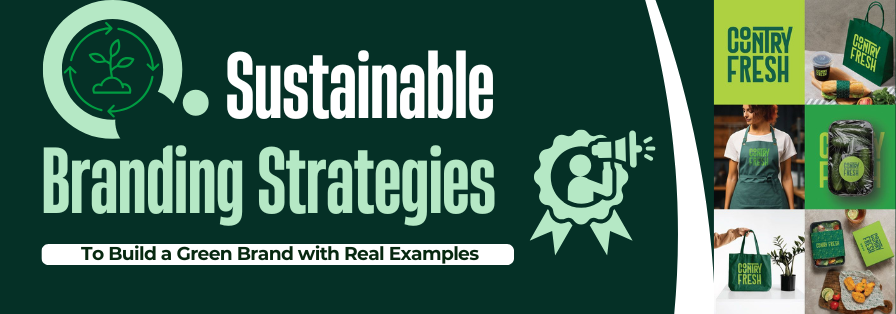
Building a green brand today is no longer a choice—it’s a business necessity. Consumers are increasingly get attracted towards companies that align with their values, and sustainability tops the list. A recent NielsenIQ study revealed that 78% of Indian consumers prefer eco-friendly brands, while globally, over 60% of consumers are willing to pay more for sustainable products.
That’s a powerful signal for businesses looking to thrive in a competitive market.
But here’s the challenge: sustainable branding goes beyond slapping a “green” label on packaging. It’s about weaving eco-conscious practices into every touchpoint of your brand—be it packaging, sourcing, supply chain, or storytelling.
The good news? Many brands are already doing it successfully, proving that profitability and sustainability can grow hand in hand.
In this guide, we’ll explore sustainable branding strategies that can help you build trust, attract loyal customers, and make a positive environmental impact. Plus, we’ll highlight real examples of green brands that are leading the way with innovative approaches.
Table of Contents
Why Consumers Trust Brands That Go Green (and How to Be One of Them)?
Consumers today are more conscious than ever about what’s the impact of their product choices have on the planet. They don’t just buy products—they buy the values behind them.
When a brand goes green, it signals transparency, responsibility, and a long-term commitment to both people and the environment. According to Deloitte, over 55% of Gen Z shoppers prefer brands that demonstrate eco-conscious practices, and this trust often transforms consumers into repeat purchases and brand loyalty.
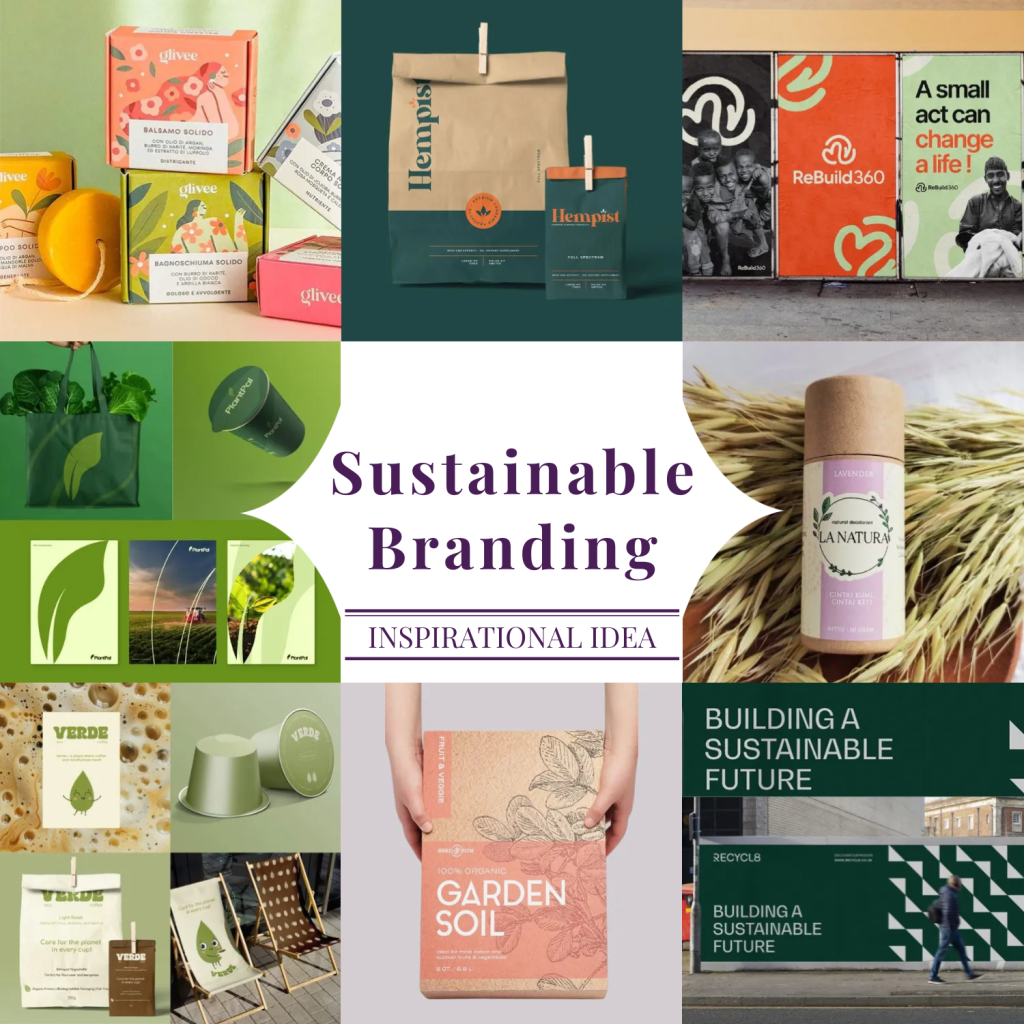
So, how can your business be one of them? Start with authentic sustainable practices—use eco-friendly packaging , adopt ethical sourcing, and reduce waste across your operations. Communicate your efforts clearly through your brand storytelling, certifications, and measurable results rather than vague claims.
By showing genuine commitment instead of “greenwashing,” you position your brand as trustworthy, future-ready, and aligned with consumer expectations. That trust becomes your strongest competitive advantage.
Core Sustainable Branding Strategies that Stand Out Business in Crowded Market
Standing out in a crowded market isn’t just about having a unique logo design or catchy tagline—it’s actually about to showcasing your consumers that your brand genuinely cares for the planet. Sustainable branding strategies not only reduce environmental impact but also build long-term trust and loyalty. Here are some of the best sustainable practices that every futuristic businesses should consider:
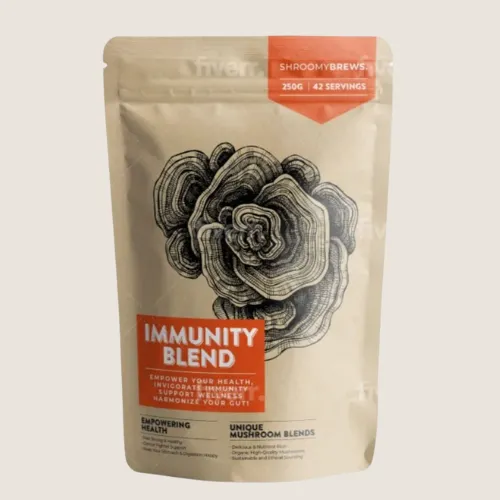
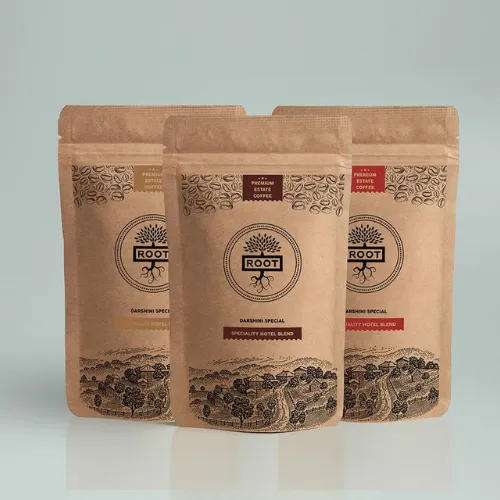
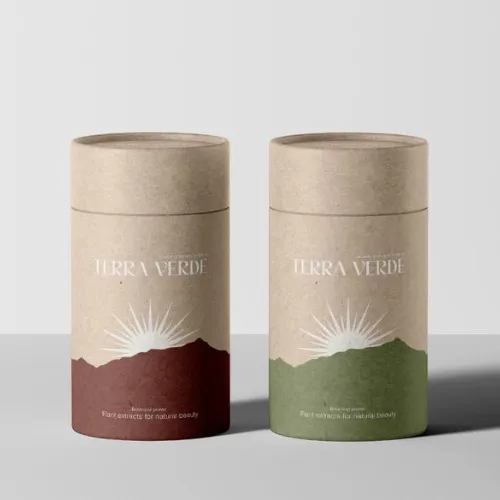
a) Eco-Friendly Packaging
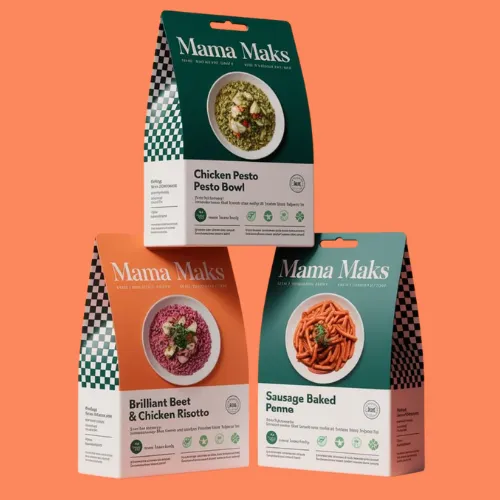
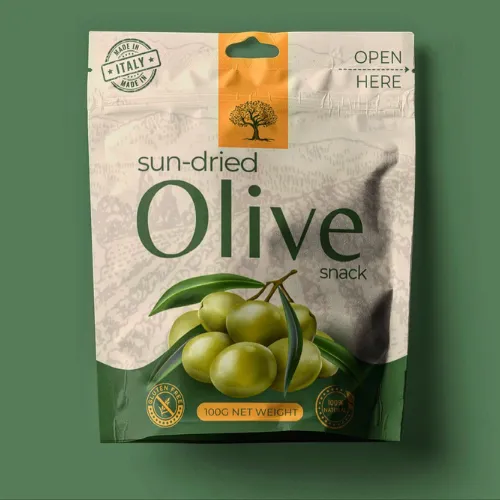
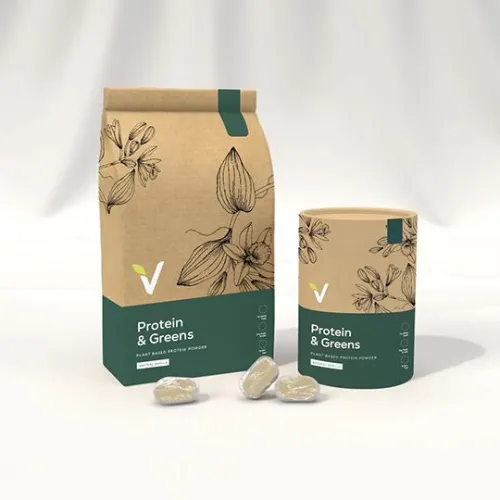
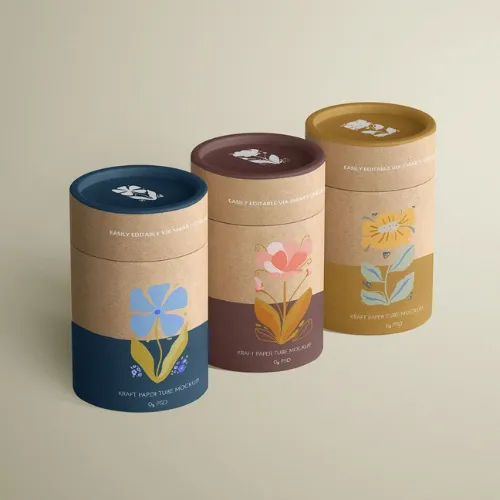
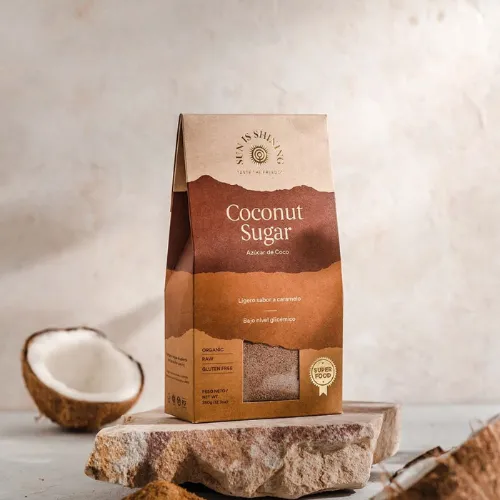
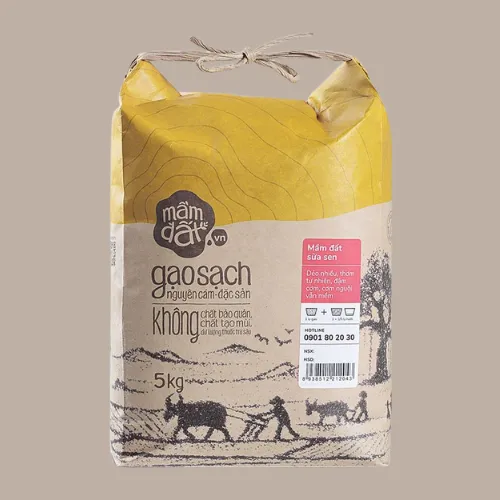
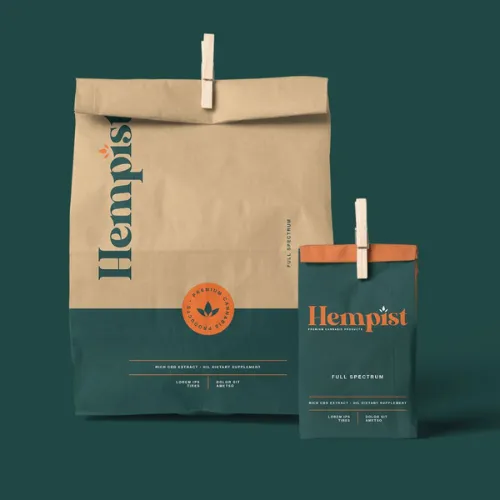
Replace single-use plastics with biodegradable, compostable, or recyclable materials. As Brands like Puma have reduced packaging waste by introducing reusable bags.
Source:https://in.pinterest.com/
Source:https://in.pinterest.com/

Source:https://in.pinterest.com/
Source:https://in.pinterest.com/
Source:https://in.pinterest.com/
Source:https://in.pinterest.com/
Source:https://in.pinterest.com/
Source:https://in.pinterest.com/

Source:https://in.pinterest.com/
Source:https://in.pinterest.com/
Source:https://in.pinterest.com/
Source:https://in.pinterest.com/
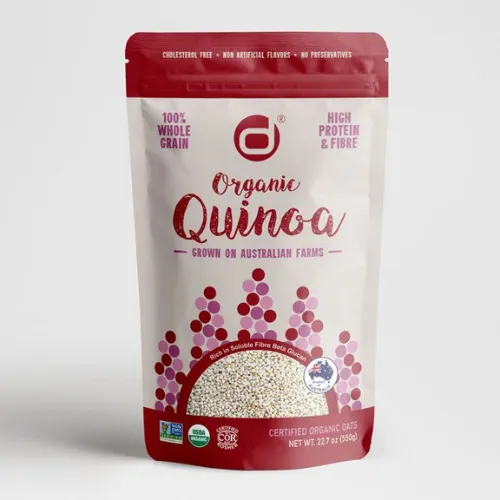
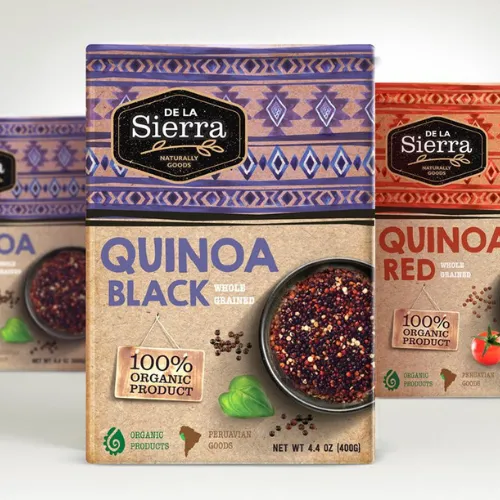
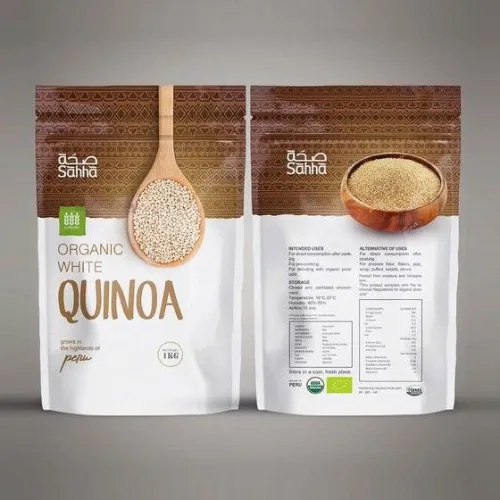
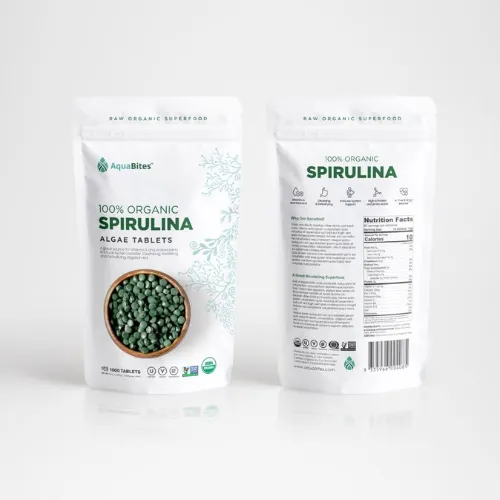
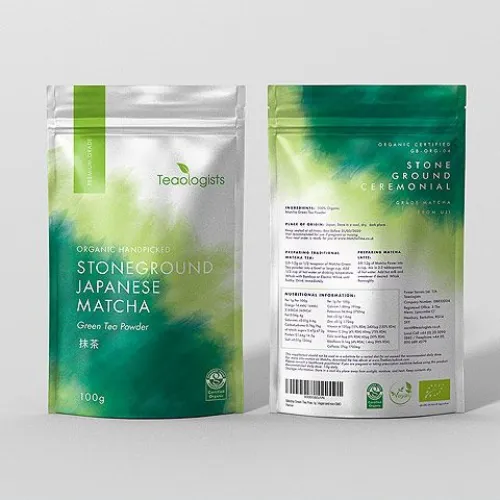
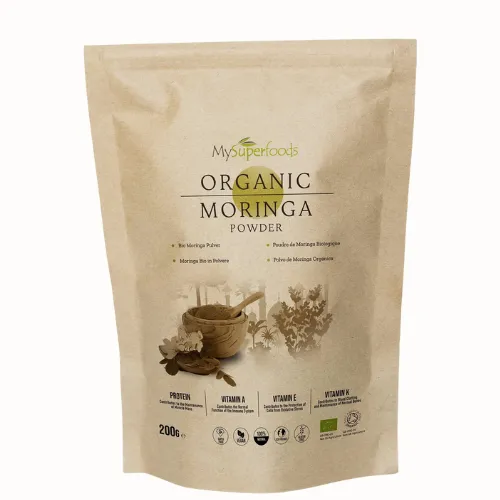
b) Ethical Sourcing of Materials
Consumers value transparency. Partner with certified suppliers who actually follow a fair trade practice and ensure raw materials are responsibly sourced.
Source:https://in.pinterest.com/
Source:https://in.pinterest.com/
Source:https://in.pinterest.com/
Source:https://in.pinterest.com/
Source:https://in.pinterest.com/
Source:https://in.pinterest.com/
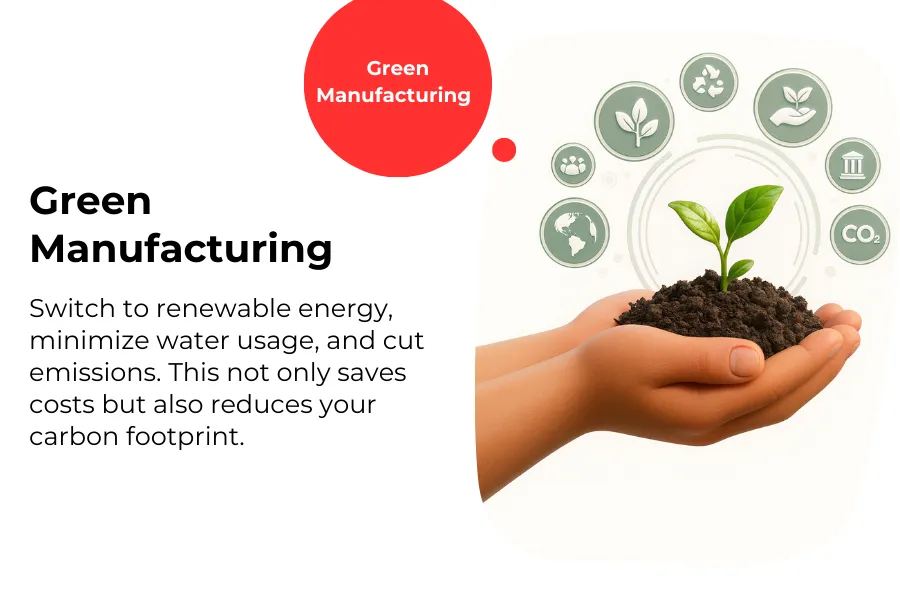
c) Green Manufacturing Processes
Switch to renewable energy, minimize water usage, and cut emissions. This not only saves costs but also reduces your carbon footprint.
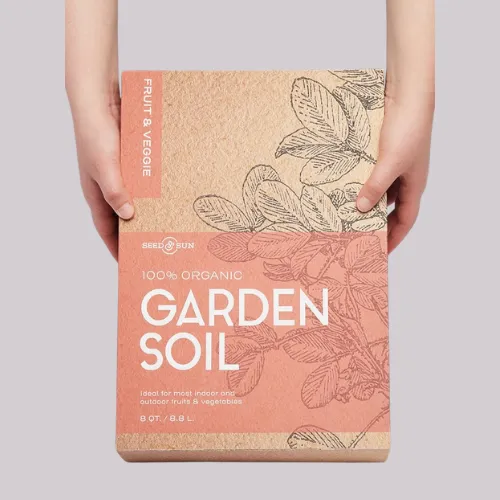
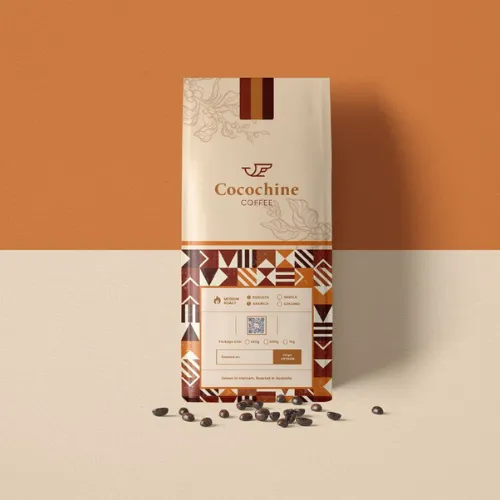
d) Sustainable Product Design
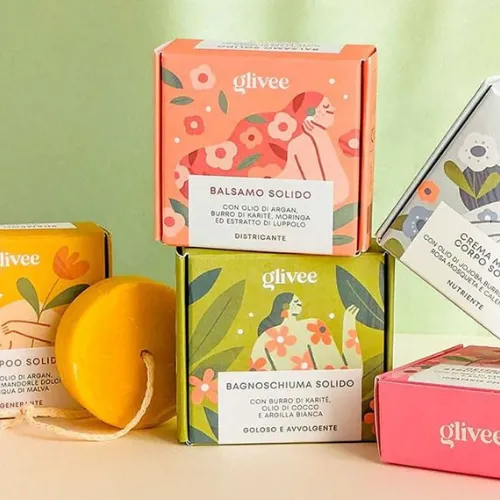
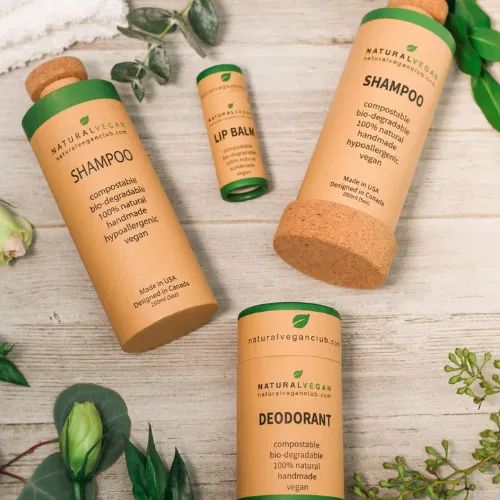
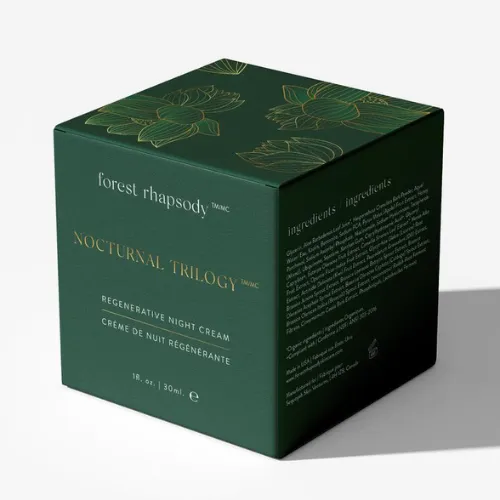
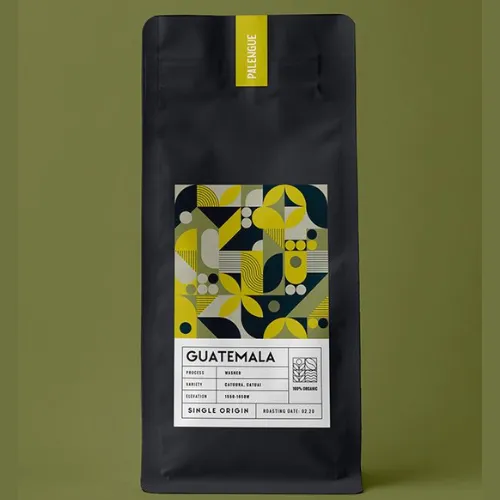
Develop products that last longer as well as are repairable, or made from recycled materials. IKEA, for example, is rethinking its product designs for circularity.
Source:https://in.pinterest.com/
Source:https://in.pinterest.com/
Source:https://in.pinterest.com/
Source:https://in.pinterest.com/
Source:https://in.pinterest.com/
Source:https://in.pinterest.com/
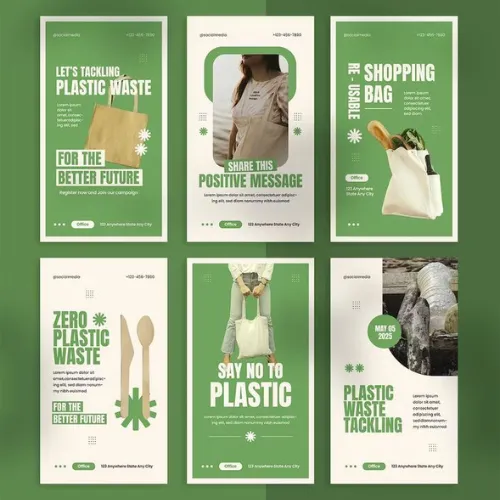
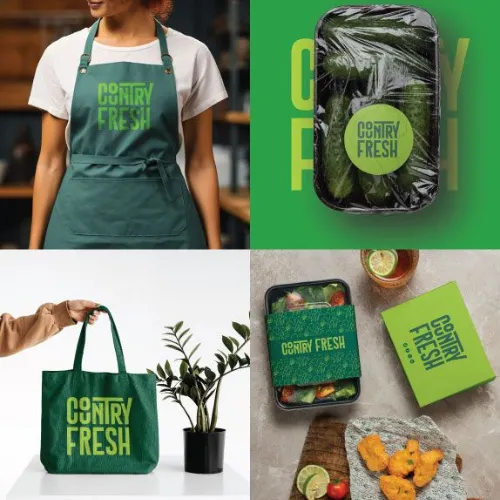
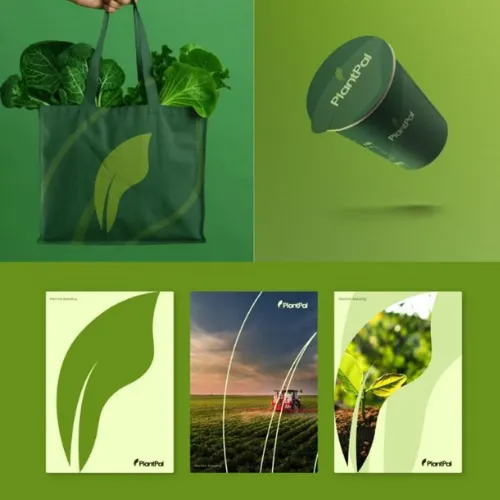
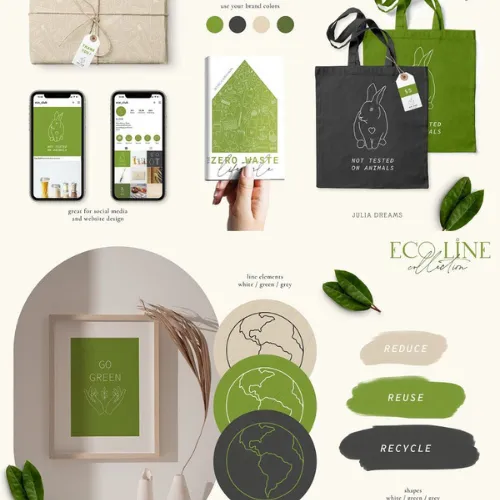
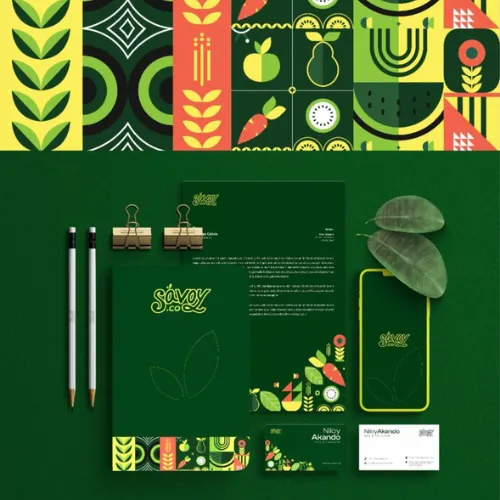
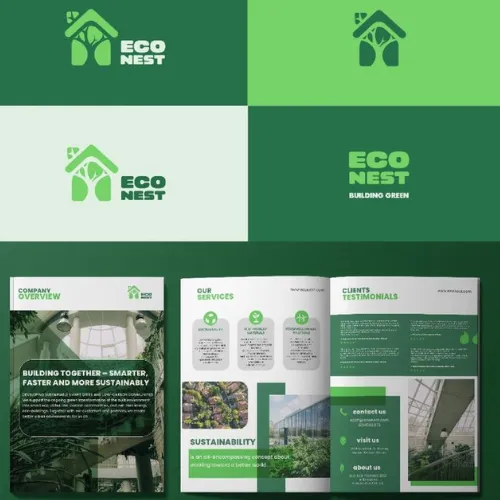
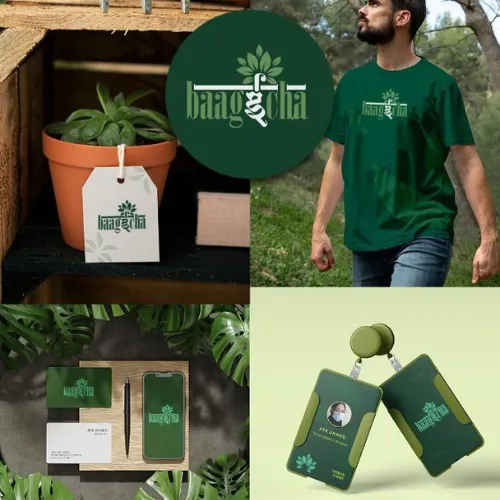
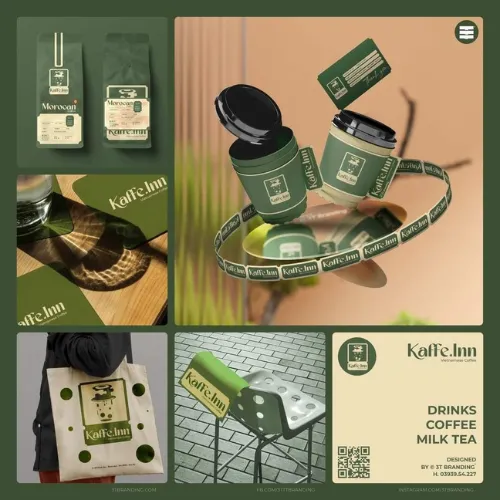
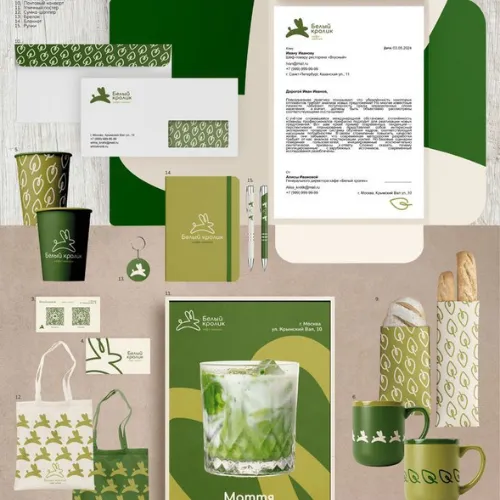
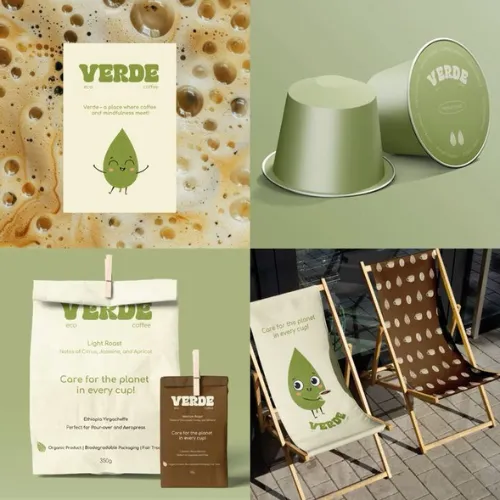
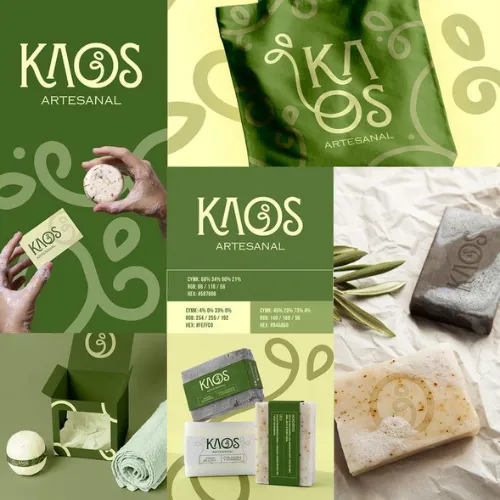
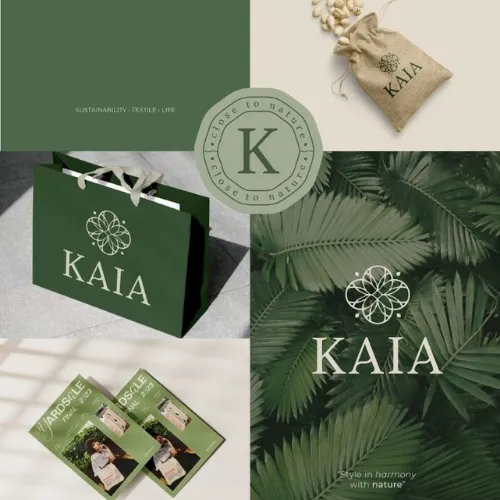
e) Conscious Marketing & Storytelling
Share your sustainability journey honestly. Consumers connect deeply with authentic stories rather than vague eco-claims.
Source:https://in.pinterest.com/
Source:https://in.pinterest.com/
Source:https://in.pinterest.com/
Source:https://in.pinterest.com/
Source:https://in.pinterest.com/
Source:https://in.pinterest.com/
Source:https://in.pinterest.com/
Source:https://in.pinterest.com/
Source:https://in.pinterest.com/
Source:https://in.pinterest.com/
Source:https://in.pinterest.com/
Source:https://in.pinterest.com/
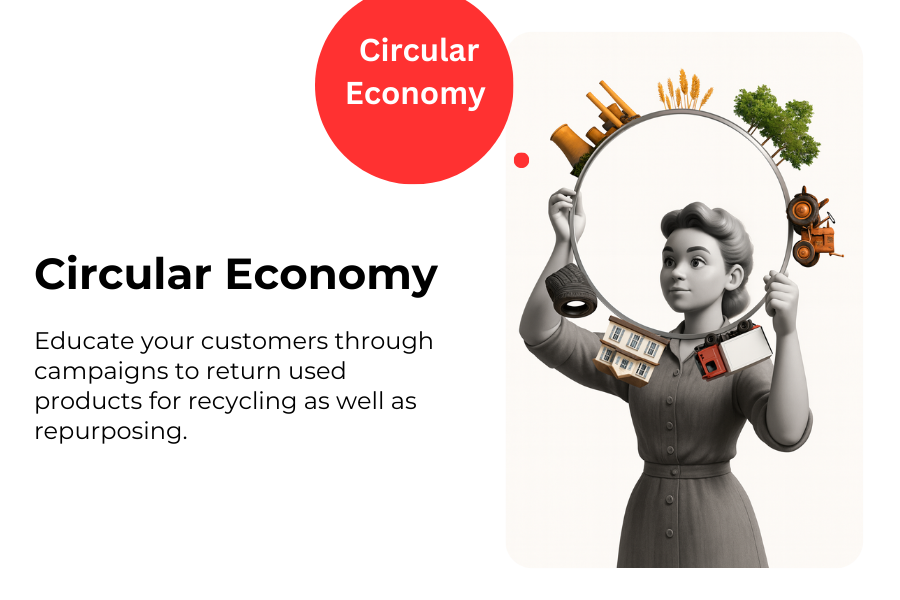
f) Circular Economy & Recycling Initiatives
Educate your customers through campaigns to return used products for recycling as well as repurposing. This extends product life cycles and fosters brand loyalty.
g) Social Responsibility & Community Engagement
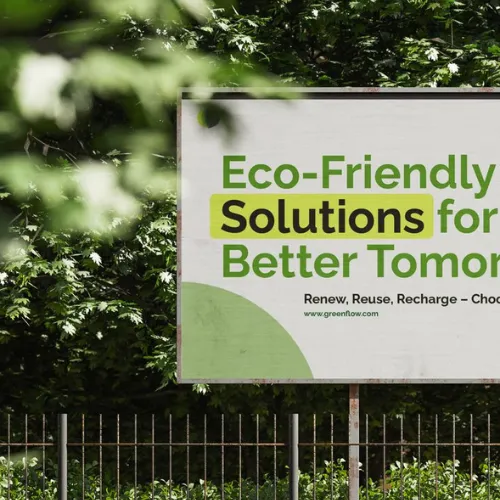
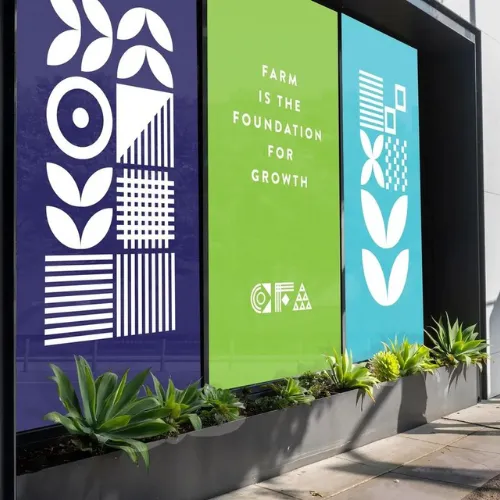
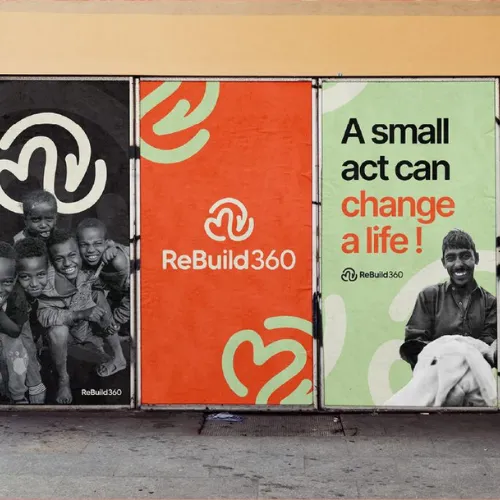
Support local communities, invest in green initiatives, and involve customers in sustainability campaigns.
Adopting these strategies not only enhances your brand image but also secures a competitive edge in a market where conscious consumers are setting the rules.
Source:https://in.pinterest.com/
Source:https://in.pinterest.com/
Source:https://in.pinterest.com/
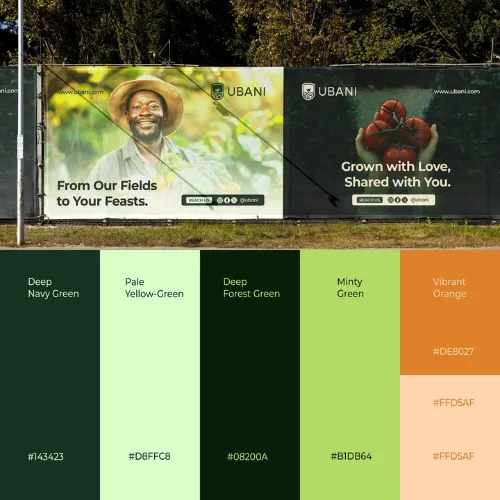
Source:https://in.pinterest.com/
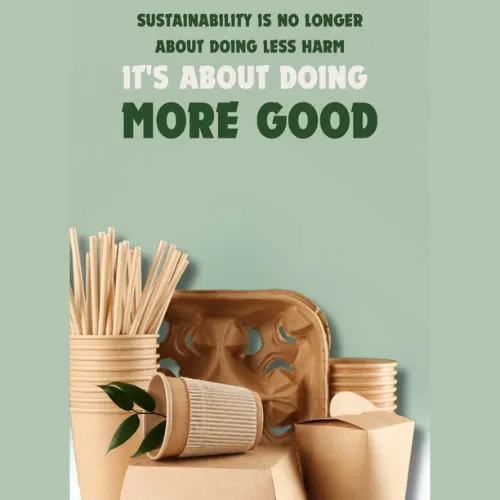
Source:https://in.pinterest.com/
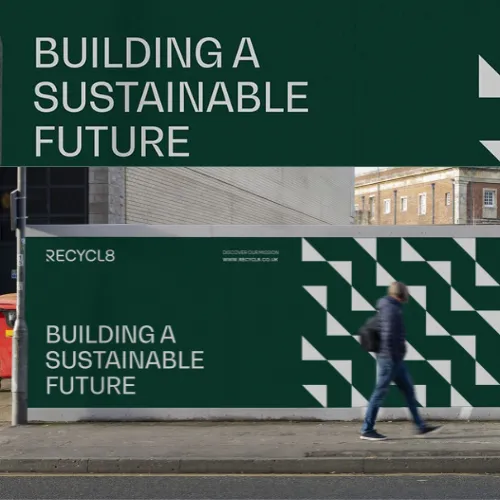
Source:https://in.pinterest.com/
What are the Challenges in Building a Green Brand?
Building a green brand is rewarding, but it’s not without obstacles. While sustainability attracts more loyal consumers and hold a strong brand reputation, but businesses must have to overcome these key challenges to succeed. Let’s take a break and go through them conciously:
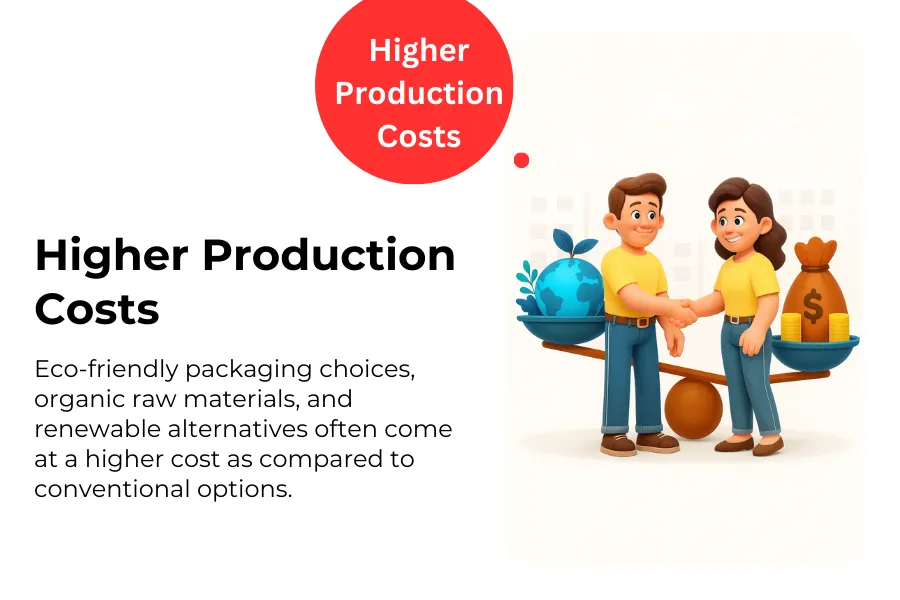
1- Higher Production Costs of Sustainable Materials
Eco-friendly packaging choices, organic raw materials, and renewable alternatives often come at a higher cost as compared to conventional options. For small size businesses or new startups, these added expenses can reduce margins and make competitive pricing which will become harder to maintain.
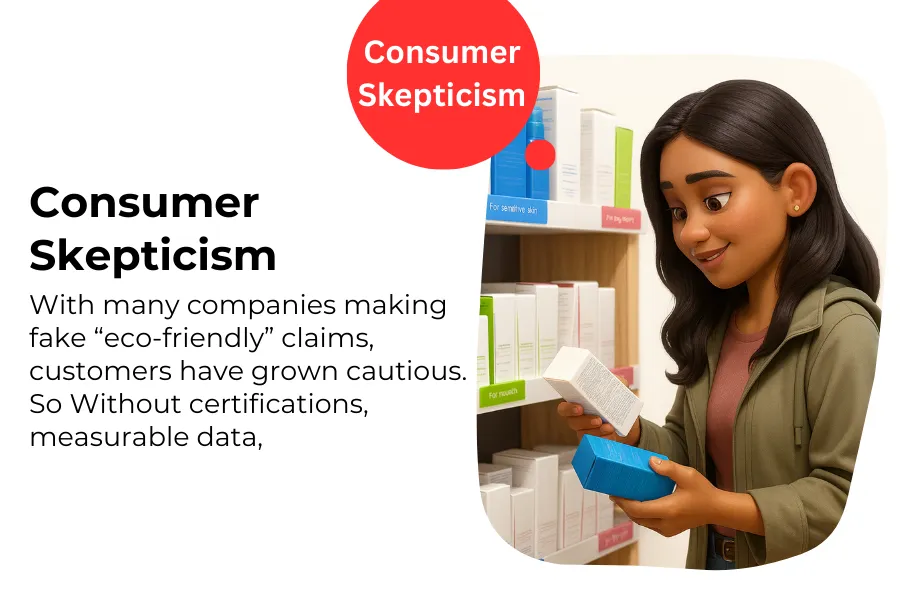
2- Consumer Skepticism and Greenwashing
With many companies making fake “eco-friendly” claims, customers have grown cautious. So Without certifications, measurable data, or visible proof, your brand’s sustainability promises will look like that you are greenwashing. To build trust, brands must be transparent and back claims with evidence.
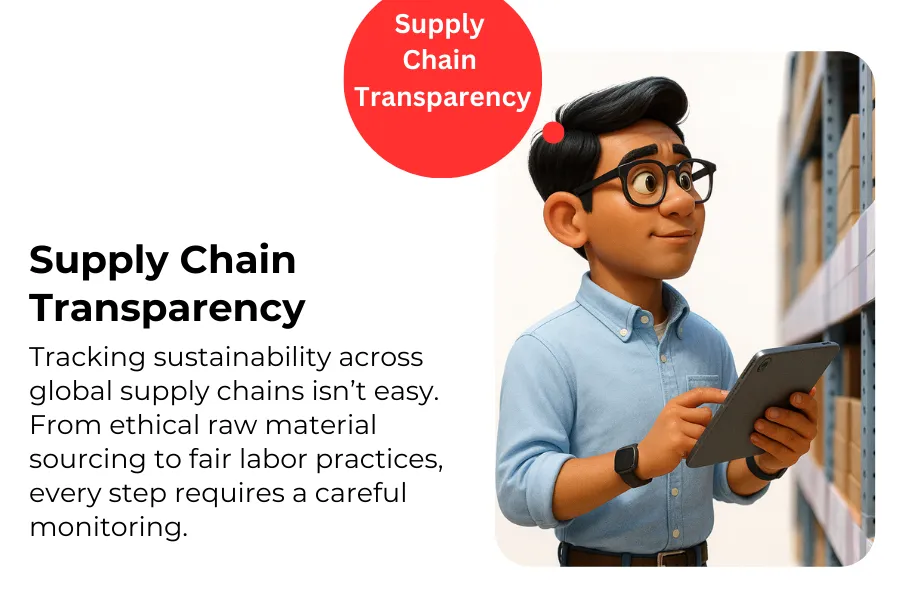
3- Supply Chain Transparency Issues
Tracking sustainability across global supply chains isn’t easy. From ethical raw material sourcing to fair labor practices, every step requires a careful monitoring. Involving many of stakeholders at same time it often makes complete visibility difficult, but it’s essential for credibility.
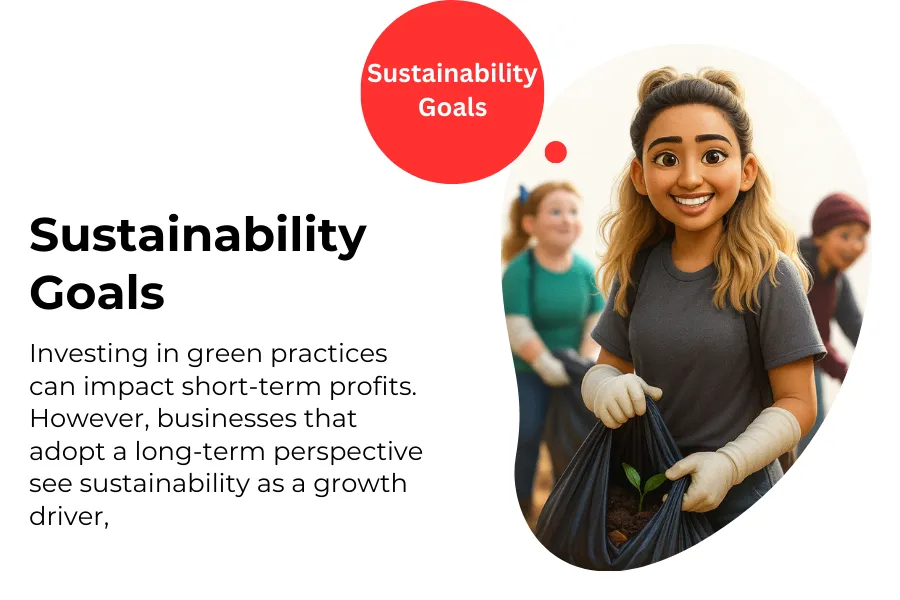
4- Balancing Profit and Sustainability Goals
Investing in green practices can impact short-term profits. However, businesses that adopt a long-term perspective see sustainability as a growth driver, not a cost. Striking this balance ensures financial health while meeting eco-conscious consumer expectations.
Facing these challenges may seem daunting, but brands that embrace authenticity and innovation are the ones shaping the future of sustainable business.
Conclusion:
Sustainable branding is no longer just a passing trend—it’s becoming the foundation of how successful businesses operate and connect with their audience. By embracing eco-friendly packaging, ethical sourcing, green manufacturing, and authentic storytelling, brands can create meaningful impact while building long-term trust. Consumers today don’t just want products; they want purpose-driven companies that reflect their values.
If you’re looking to shape your identity as a green brand, your visuals must align with your mission. That’s where LogoPeople can help. A well-crafted logo and brand design can communicate your sustainability story instantly, making your business stand out in a crowded market.
Remember, sustainability is not about perfection—it’s about progress, transparency, and consistency. By committing to these strategies and showcasing real-world actions, you can inspire customers, differentiate your brand, and future-proof your business. The time to start is now, and with the right branding partner, you can turn your green vision into reality.
Author: Megha Malik

As a passionate entrepreneur and creative brand consultant with experience of 14 years in digital, branding and packaging industry, it is my honest effort to put my experiences and knowledge of industry towards readers. A chartered accountant by degree but a marketing personality in blood has motivated her to take in designing industry as a career. With her fun-loving personality and sharp branding skills, she is a great motivational speaker on her YouTube channel, an active member in various business channels offline as well as online. Do connect me personally via my LinkedIn and I love to share my expertise with you.