
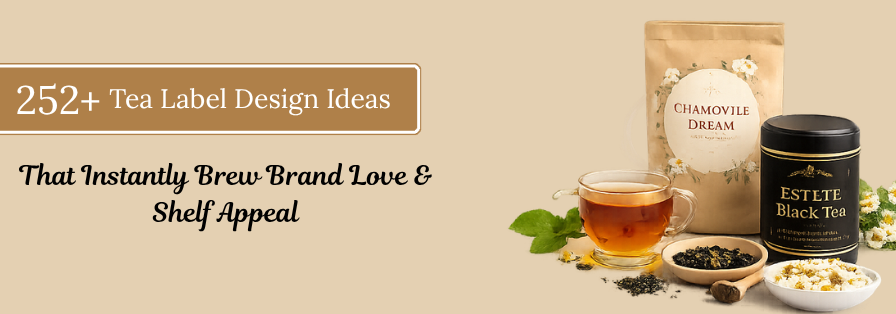


Walk into any modern retail aisle or scroll through a quick-commerce app, and one thing becomes clear—tea brands are no longer competing on taste alone; they are competing visually. In a category deeply rooted in culture and premiumisation gifting trends, tea label design has become a powerful branding tool.
Today’s consumers pause for designs that feel authentic, origin-driven, and crafted with thoughtful process. So Whether it’s a Darjeeling single-origin pack or a masala chai blend, the label design of tea is often the first storyteller. It signals quality, freshness, and brand personality within seconds—long before the first sip.
But what actually makes someone pick one tea over another? Is it the elegance of minimal design, the richness of traditional elements, or bold modern graphics that demand attention?
This blog brings you 252+ tea label design ideas that go beyond aesthetics—crafted to spark curiosity, build trust, and create instant shelf appeal in a highly competitive tea market.
Table of Contents
Why Should You Even Care About Tea Label Design?
Tea label design is not just decoration but it directly influences your product that how it is perceived, picked, and remembered. In a crowded market filled with similar-looking packs, your label becomes the first point of interaction. It tells customers what your tea stands for—premium, organic, traditional, or modern—within seconds.
As it is known that A strong label builds trust by clearly communicating origin, ingredients, and quality cues. It also helps create emotional connection, especially in a category like tea, where culture and daily rituals matter deeply.
More importantly, a well-designed tea label improves shelf visibility and brand recall, making your product easier to notice and repurchase. If your label fails to stand out, even a great tea inside may go unnoticed.
How to Design a Tea Label That Sells (Step-by-Step)
Designing a tea label that truly sells goes beyond aesthetics—it’s a strategic blend of branding, psychology, and cultural relevance. Here’s a step-by-step approach to get it right:
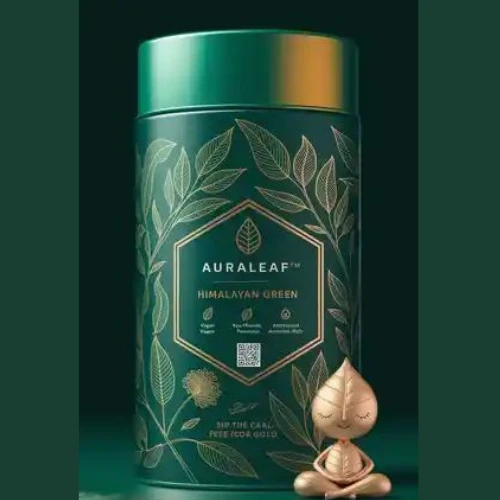
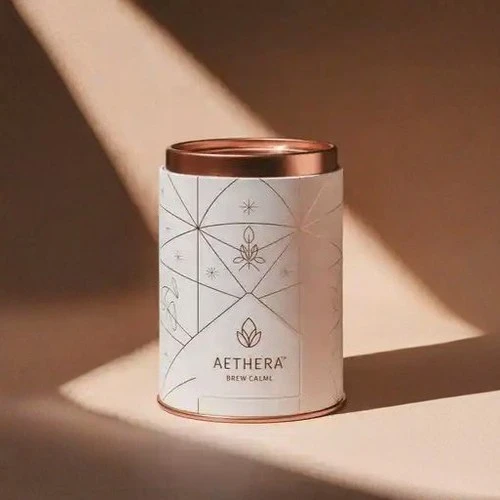
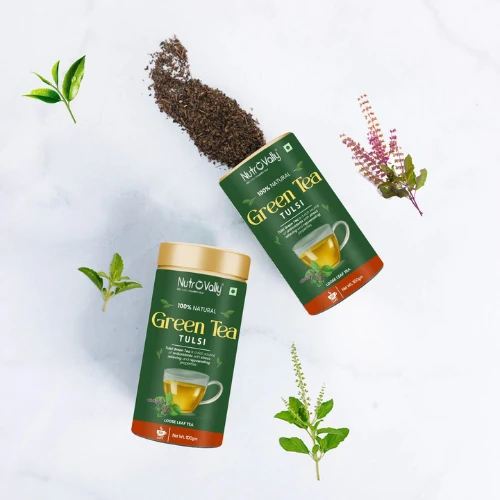
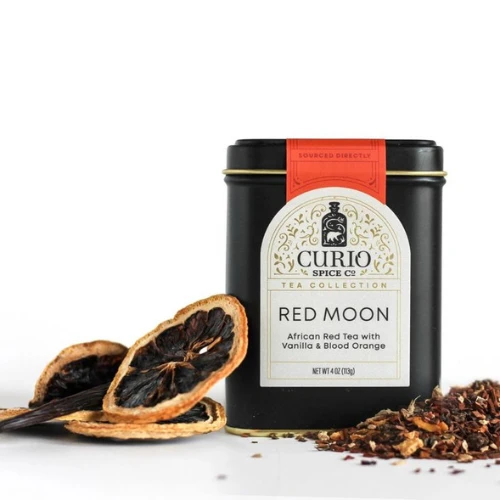
1. Understand your target audience
Start by identifying who you’re selling to. Whether, Is it for urban millennials looking for wellness teas or traditional households preferring strong chai blends? Their preferences will shape your design direction.
Source:https://in.pinterest.com/
Source:https://in.pinterest.com/
Source:https://in.pinterest.com/
Source:https://in.pinterest.com/
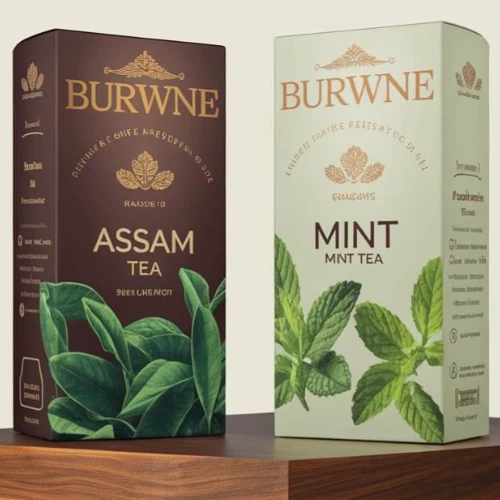
2. Define your brand personality
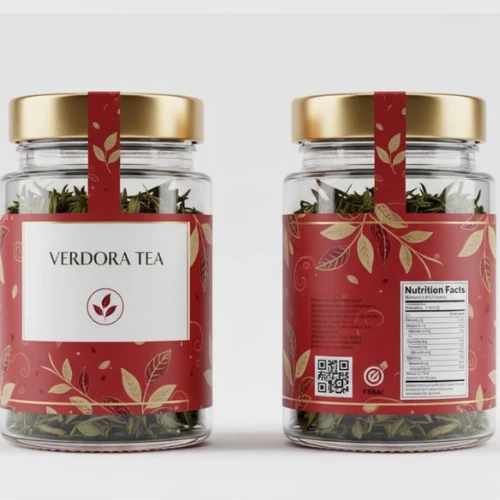
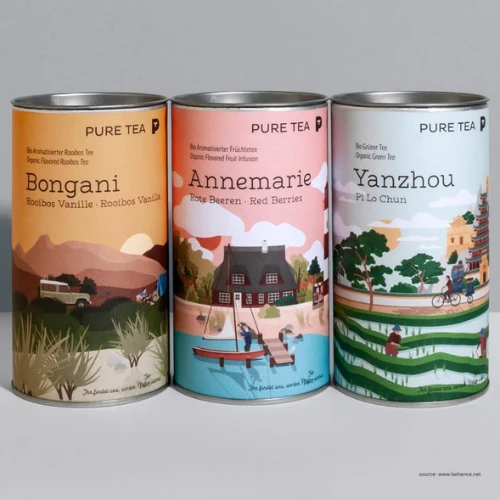
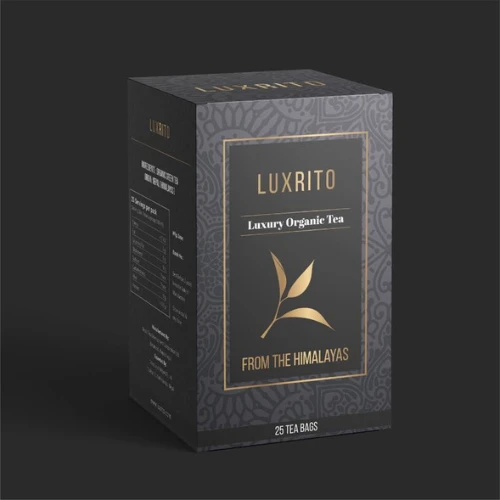
Decide whether your brand feels premium, earthy, modern, or heritage-driven. This clarity ensures consistency across colors, fonts, and imagery.
Source:https://in.pinterest.com/
Source:https://in.pinterest.com/
Source:https://in.pinterest.com/
Source:https://in.pinterest.com/
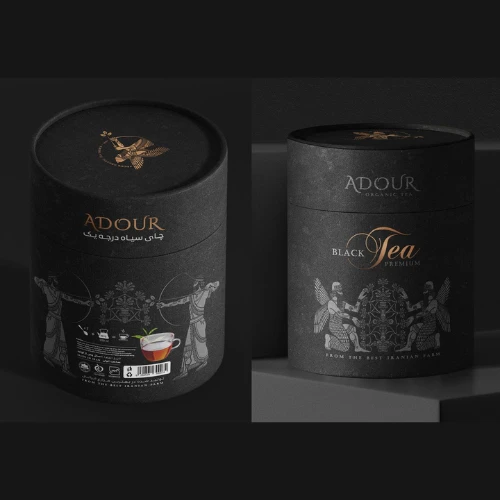
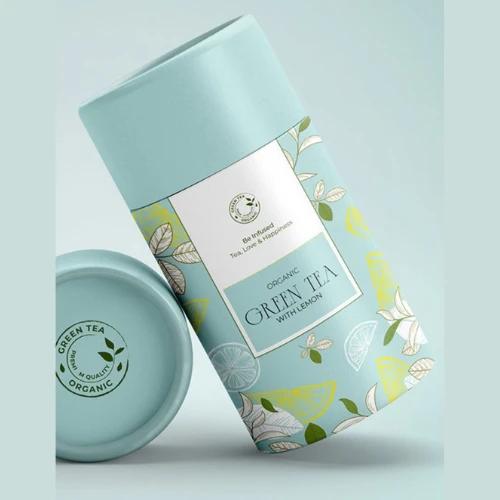
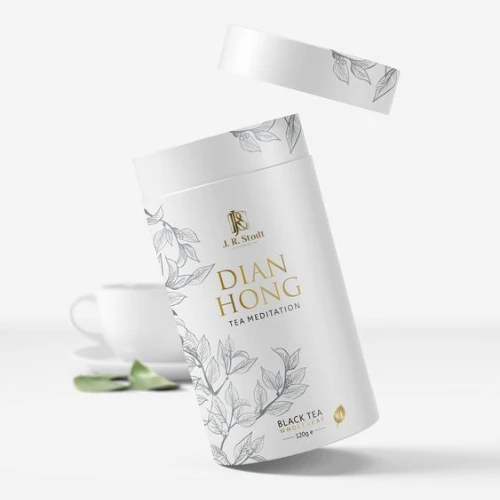
3. Choose the right colour palette
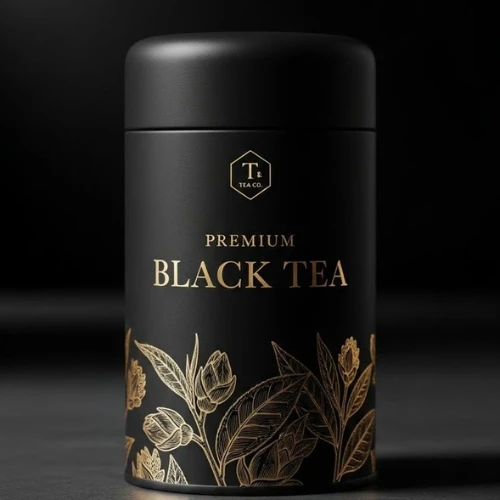
Colours influence perception instantly. Greens and browns signal organic and natural, while golds and blacks reflect premium positioning.
Source:https://in.pinterest.com/
Source:https://in.pinterest.com/
Source:https://in.pinterest.com/
Source:https://in.pinterest.com/
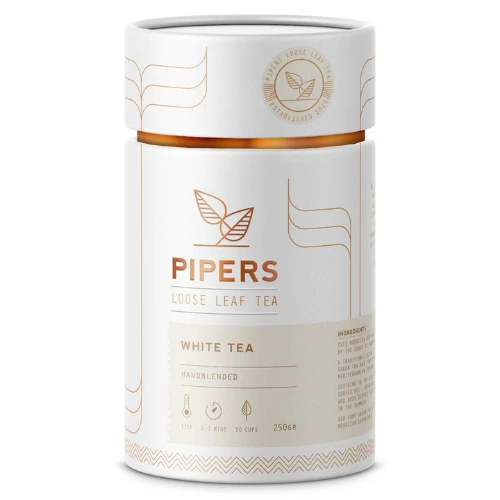
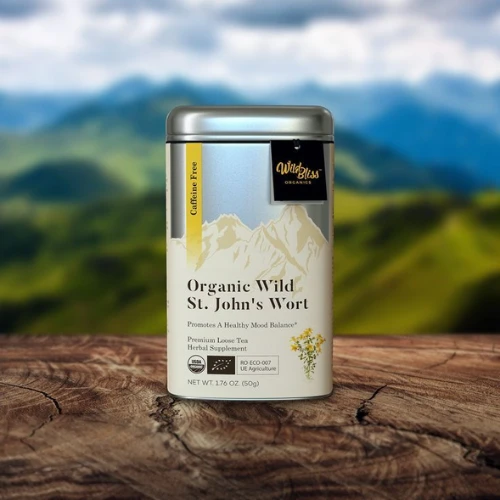
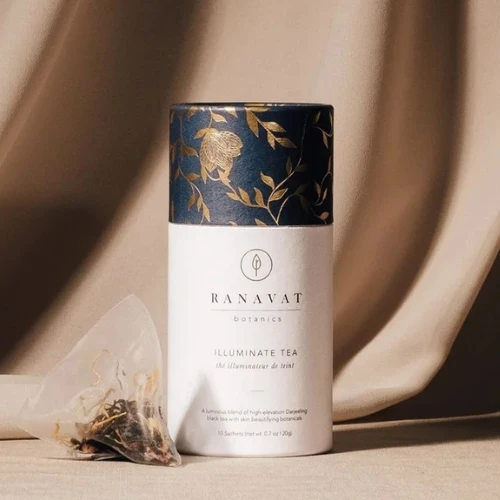
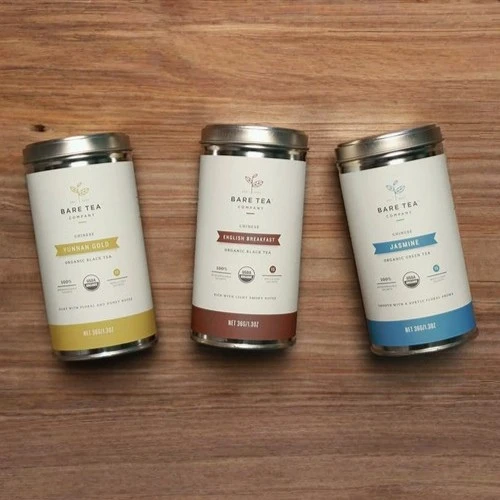
4. Select typography carefully
Fonts should match your brand tone. Elegant serifs work well for luxury teas, while clean sans-serifs suit modern, minimalist brands.
Source:https://in.pinterest.com/
Source:https://in.pinterest.com/
Source:https://in.pinterest.com/
Source:https://in.pinterest.com/
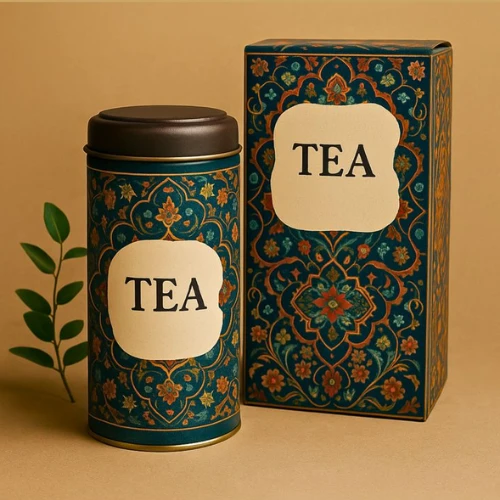
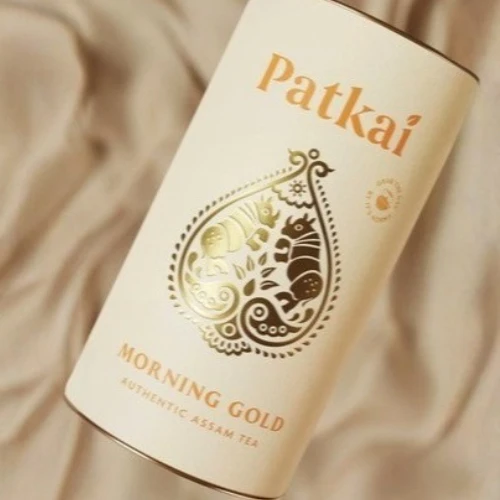
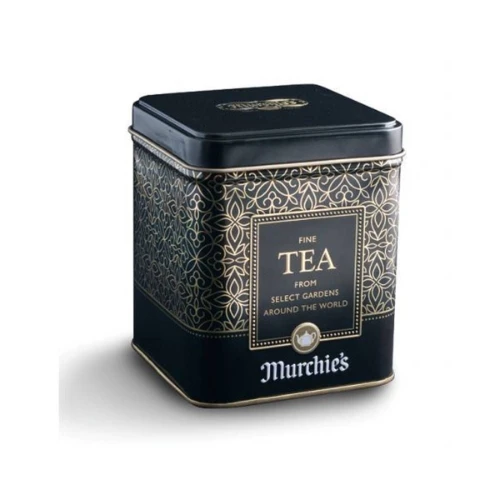
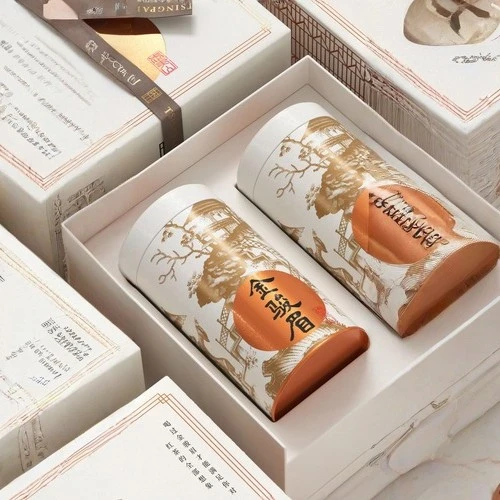
5. Use cultural storytelling wisely
Tea in India is deeply emotional. Subtle cultural elements, such as traditional patterns or regional motifs, can foster familiarity and trust.
Source:https://in.pinterest.com/
Source:https://in.pinterest.com/
Source:https://in.pinterest.com/
Source:https://in.pinterest.com/
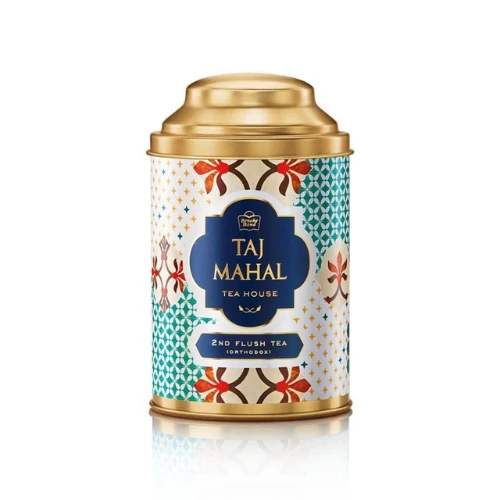
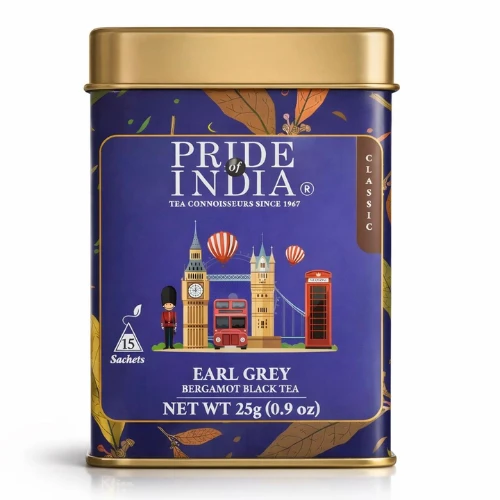
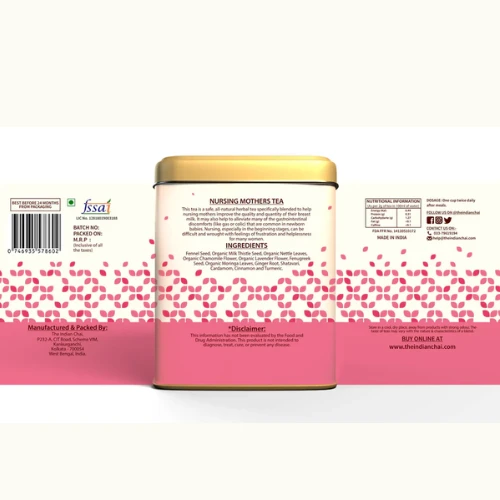
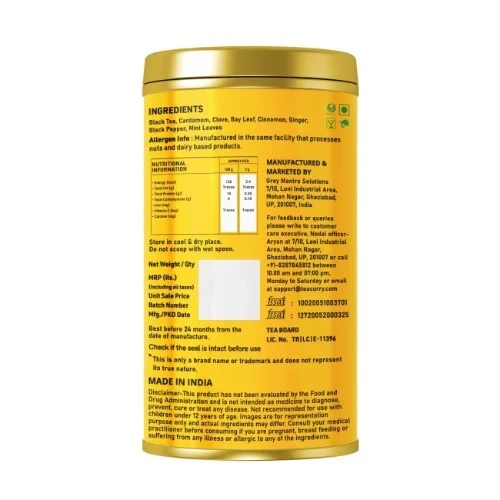
6. Highlight “Made in India” appeal
Consumers today value local sourcing. Showcasing Indian origin can strengthen authenticity and connect with conscious buyers.
Source:https://in.pinterest.com/
Source:https://in.pinterest.com/
Source:https://in.pinterest.com/
Source:https://in.pinterest.com/
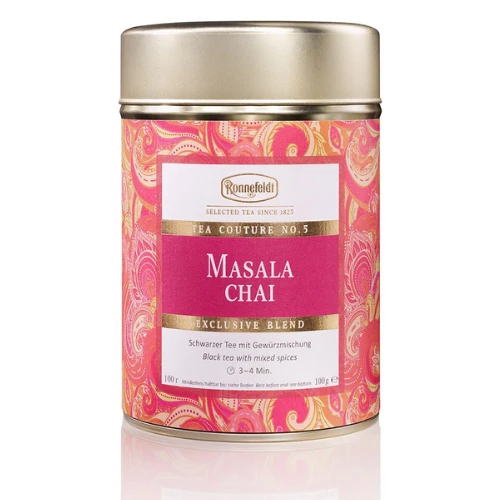
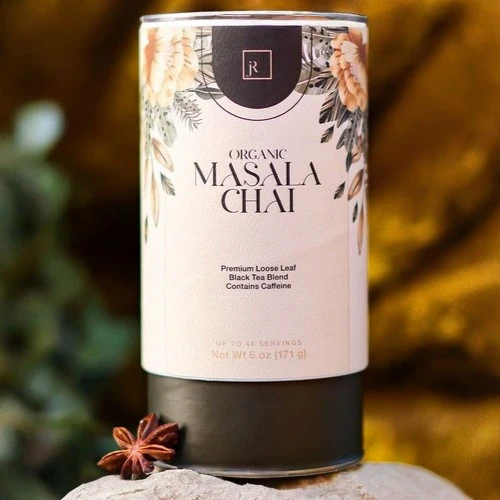
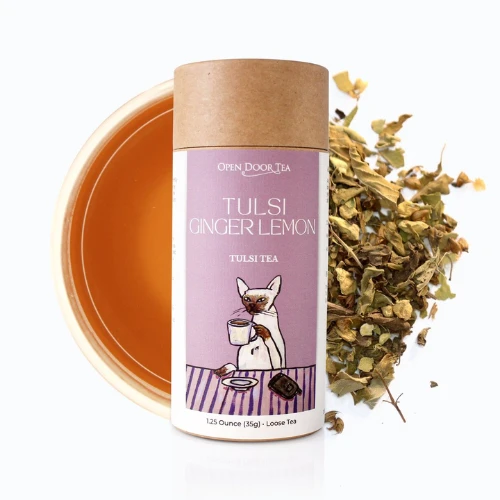
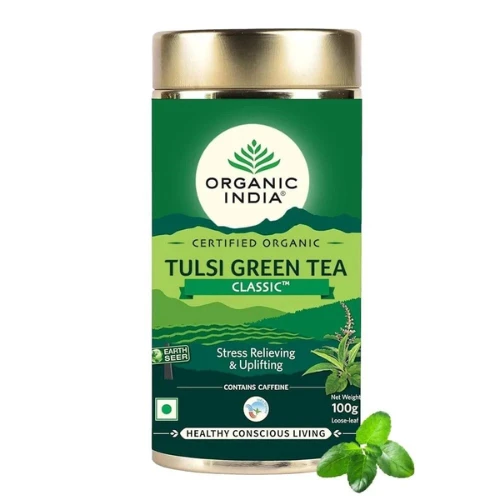
7. Focus on regional flavors (Masala, Tulsi, etc.)
Clearly highlight flavors that resonate locally. Familiar names make decision-making quicker and easier.
Source:https://in.pinterest.com/
Source:https://in.pinterest.com/
Source:https://in.pinterest.com/
Source:https://in.pinterest.com/
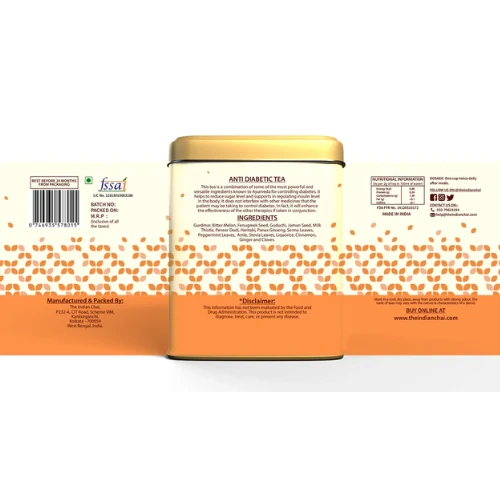
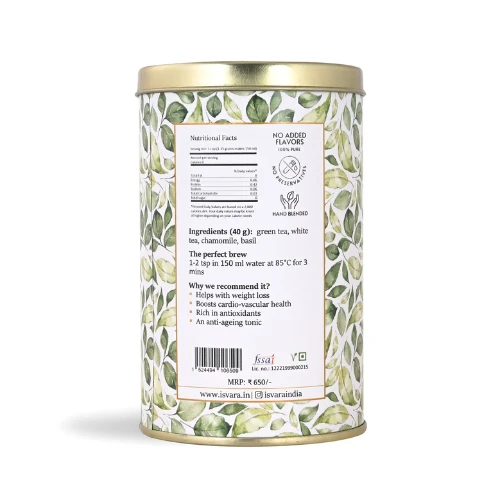
8. Include trust badges & certifications
Elements like organic labels, FSSAI marks, or quality seals instantly build credibility and reduce hesitation.
Source:https://in.pinterest.com/
Source:https://in.pinterest.com/
Source:https://in.pinterest.com/
Source:https://in.pinterest.com/
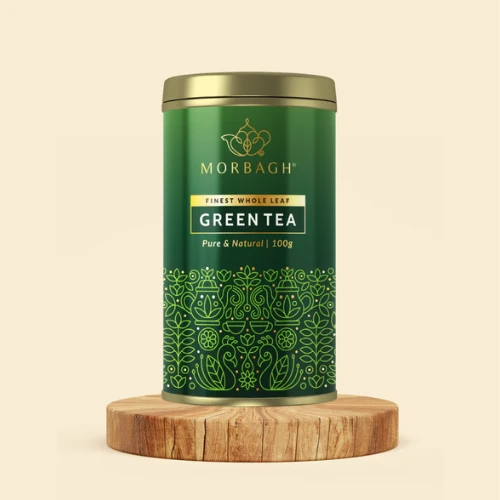
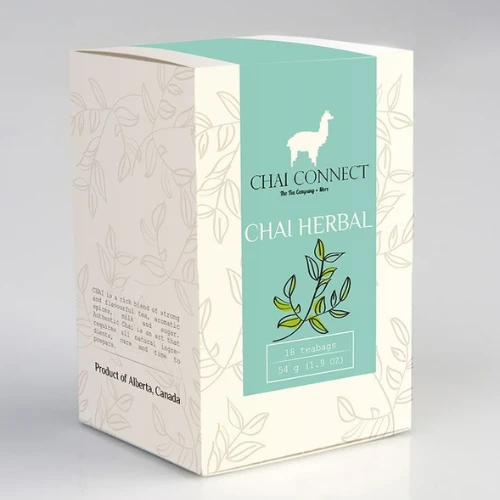
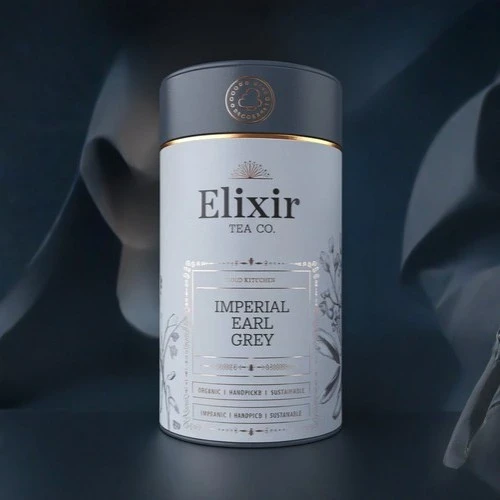
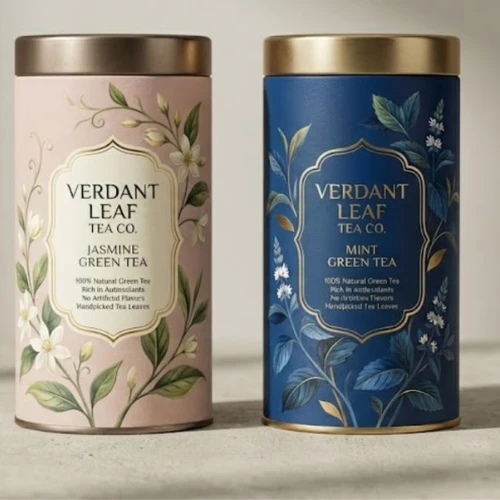
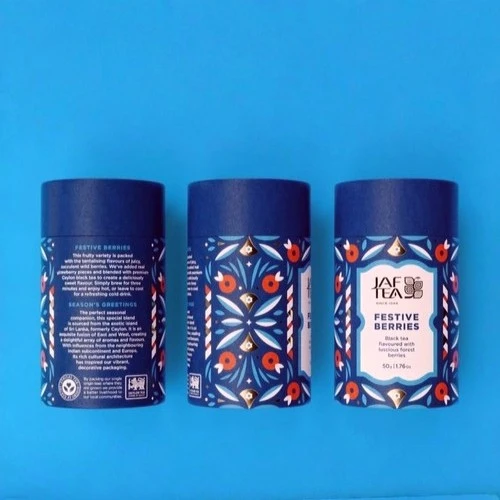
9. Create a strong visual hierarchy
Guide the viewer’s eye. Brand name, tea type, and key benefits should be easily noticeable at a glance.
Source:https://in.pinterest.com/
Source:https://in.pinterest.com/
Source:https://in.pinterest.com/
Source:https://in.pinterest.com/
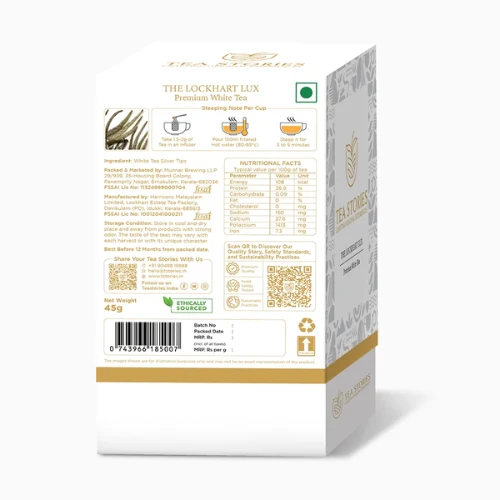
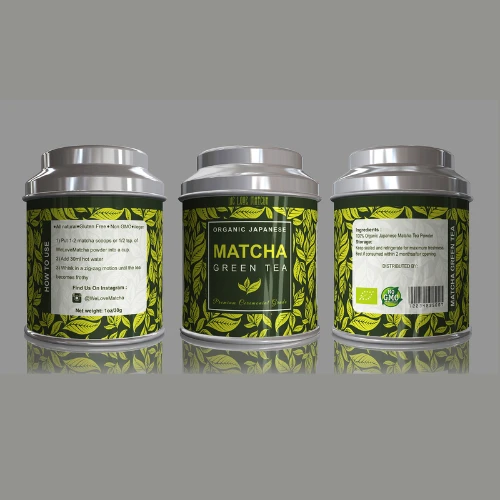
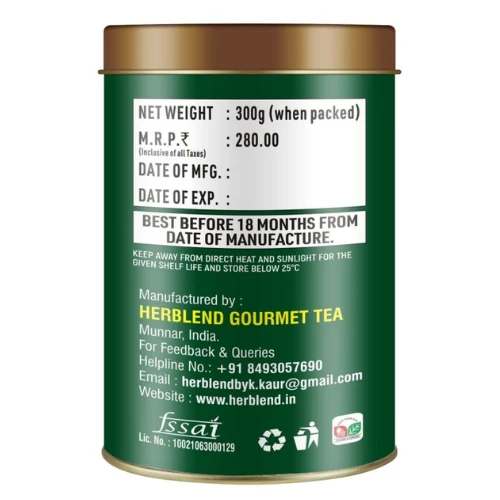
10. Add compliance & essential details
Ensure all legal information—ingredients, weight, expiry, and manufacturer details—are clearly placed without cluttering the design.
Source:https://in.pinterest.com/
Source:https://in.pinterest.com/
11. Test your design on mockups
Before finalising, visualise your label on actual packaging. This helps you assess shelf impact and make necessary refinements.
A thoughtful tea label doesn’t just look good—it communicates, connects, and converts.
Why Should You Go with a Professional Graphic Design Agency for Your Tea Label?
Choosing a professional graphic design agency for your tea label is not an expense—it’s a long-term investment in your brand’s growth and market positioning.
a) Strategic branding approach
An experienced agency doesn’t just “design”; they think strategically. They understand how your tea brand should be positioned—premium, traditional, wellness-focused, or mass-market—and translate that into a label that communicates clearly and sells effectively.
b) Market research-backed designs
Agencies rely on real insights, not guesswork. They study competitor packaging, consumer behavior, and category trends before crafting designs. This ensures your tea label stands out on shelves while still meeting customer expectations.
c) Print-ready expertise
Designing for screen and printing are very different. A professional team ensures correct color modes, material compatibility, and finishing techniques like embossing or matte coatings. This prevents costly printing errors and maintains quality consistency.
d) Consistent brand identity across SKUs
If you offer multiple variants like Masala, Green, or Tulsi tea, consistency becomes crucial. Agencies build a cohesive design system so every SKU looks connected while still having its own identity.
Partnering with the right design agency helps you move beyond basic packaging design and build a tea brand that feels trustworthy, premium, and instantly recognisable.
Conclusion:
A well-designed tea label is more than just packaging—it’s your brand’s first handshake with the customer. In a market filled with endless choices, the right design can spark curiosity, build trust, and turn a one-time buyer into a loyal customer. From cultural storytelling to modern minimalism, every element plays a role in shaping brand perception and driving purchase decisions.
If you’re planning to launch or refresh your tea brand, this is the moment to invest in thoughtful, strategy-led design. That’s where LogoPeople can help. With a deep understanding of branding and consumer psychology, their team has ability to craft tea label designs that not only look appealing but also perform in real market conditions.
Explore, experiment, and refine—because the perfect tea label doesn’t just sit on the shelf, it speaks, connects, and sells effortlessly.
Author: Anush Malik

Being a strategist’s head and a long term visionary personality aims to achieve excellence in branding, packaging and digital marketing field. My 15 years of design experience and masters degree ais my strength which keeps me motivated and keep me going positively. I have participated in extensive branding design conquests in India, USA, Australia and New Zealand with winning zeal. My objective is to encourage start-ups and hence involves actively in the articles which will act as a productive intake of knowledge for them. Do connect me personally via my LinkedIn and I love to share my expertise with you.