


A few years ago, a food brand could win attention simply by standing out on a supermarket shelf.
Today, the shelf is also digital.
Before trying a new gourmet product, ordering from a D2C food brand, or choosing a premium packaged food, consumers often visit the brand’s website to see what it stands for. The colours, photography, product presentation, storytelling, navigation, and even the smallest design details can also influence whether a brand feels premium, trustworthy, and worth buying.
That makes food website design more than a visual exercise. It is an extension of your brand identity and a crucial part of the customer journey.
Think about it:
Does your website create the same desire that your packaging creates on the shelf?
Or does the digital experience make your brand feel ordinary?
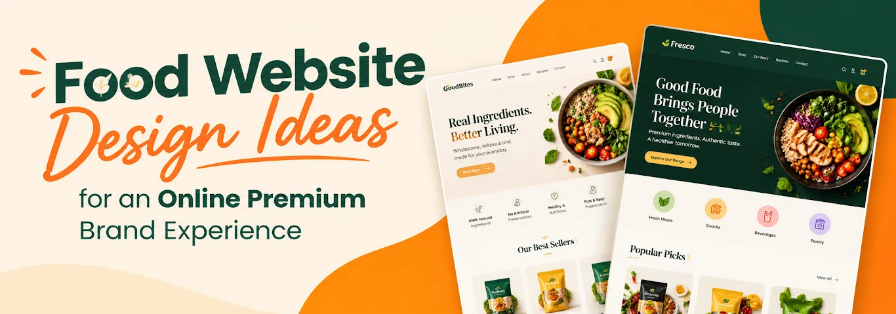
If you are searching for food website design ideas to build a distinctive online presence for a premium food brand, this collection of 121+ ideas brings together creative inspiration, practical design directions, and strategies for creating a stronger online brand experience.
Table of Contents
What Makes a Food Website Design Feel Premium?
A premium food website is not defined by only it’s expensive-looking graphics alone. It is the combination of brand design, visual storytelling, usability, and product presentation that creates a high-value digital experience.
Strong food website design uses well refined typography, appetising photography, purposeful whitespace, intuitive navigation, and consistent colours to make every interaction feel considered.
Product pages should answer key buying questions without overwhelming visitors, while clear calls to action guide them naturally towards enquiry or purchase. Most importantly, the website should feel like a digital extension of the brand’s packaging, positioning, and promise.
Food Website Design Ideas by Food Category
Different food categories also need different digital experiences. A premium chocolate brand may rely on indulgent visuals and storytelling, while a spice brand will have to communicate authenticity, origin, and culinary versatility. Here are the food website design directions that can actually help each category build a stronger online presence.
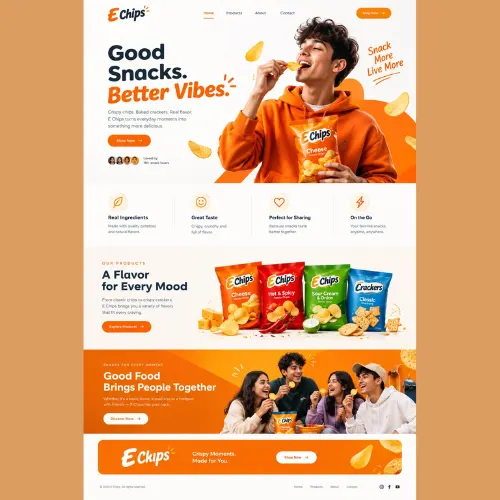
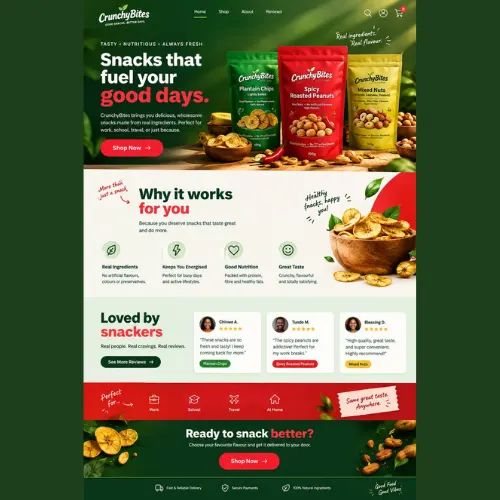
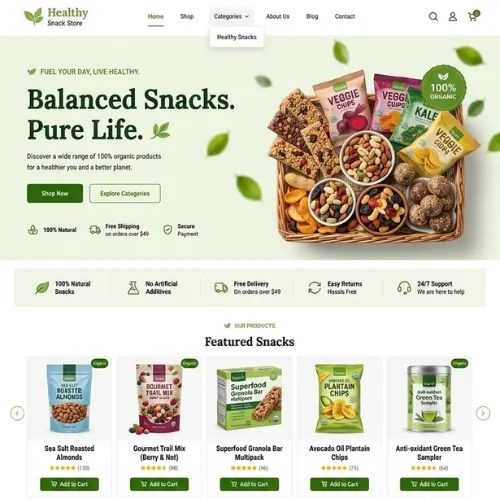
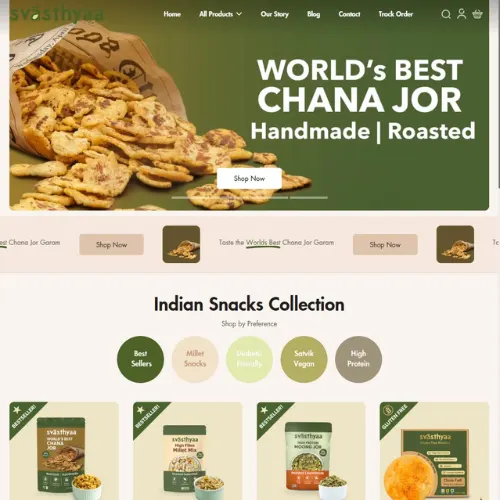
a) Snack Brand Website Design
Make the experience full energetic, colourful, and product-focused. Use bold product photography, quick category navigation, flavour highlights, nutrition information, and easy add to cart shopping journeys. In snack brand website design Lifestyle imagery can also show how snacks can fit into everyday moments.
Source:https://in.pinterest.com/
Source:https://in.pinterest.com/
Source:https://in.pinterest.com/
Source:https://in.pinterest.com/
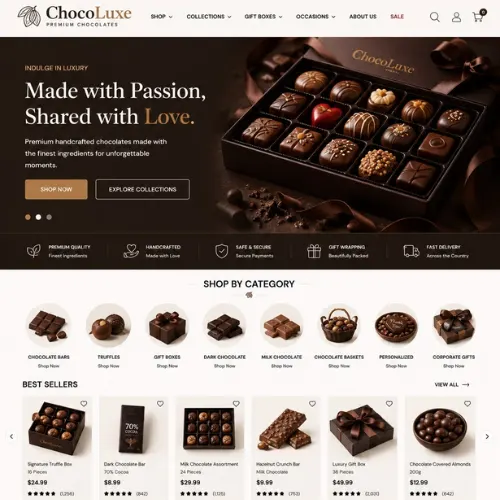
b) Chocolate Brand Website Design
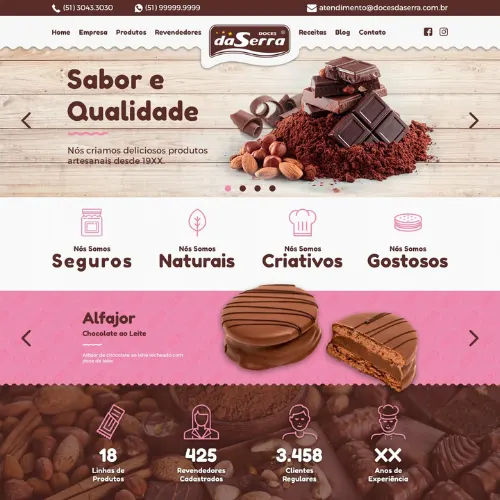
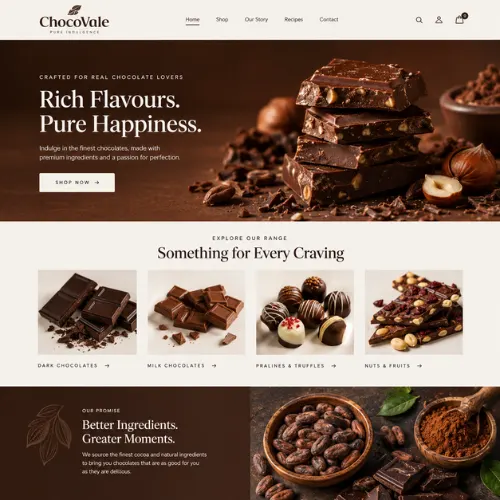
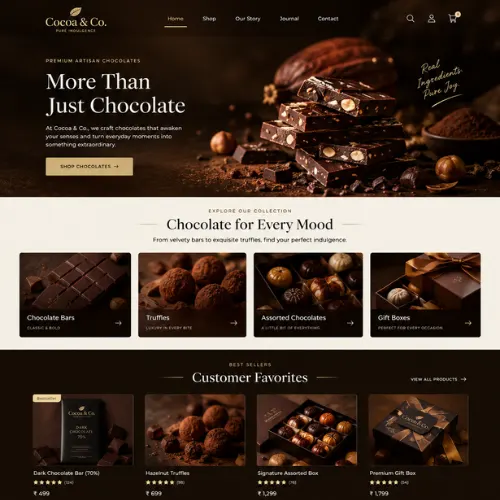
Chocolate websites can benefit from rich visuals, elegant typography, close-up product photography, and brand storytelling around it’s ingredients, craftsmanship, flavours, and gifting. A refined website design layout can instantly strengthen premium positioning.
Source:https://in.pinterest.com/
Source:https://in.pinterest.com/
Source:https://in.pinterest.com/
Source:https://in.pinterest.com/
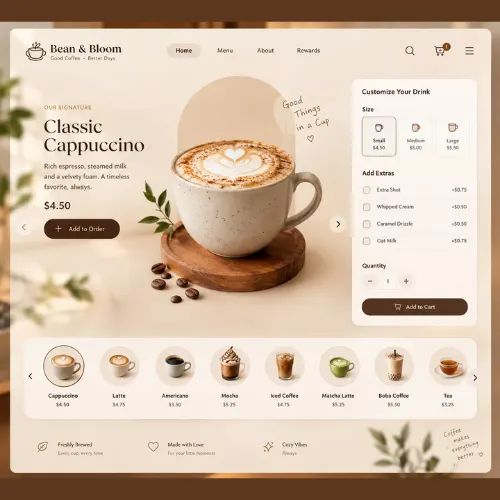
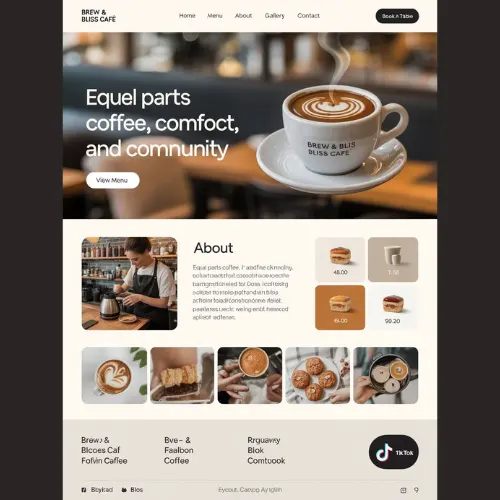
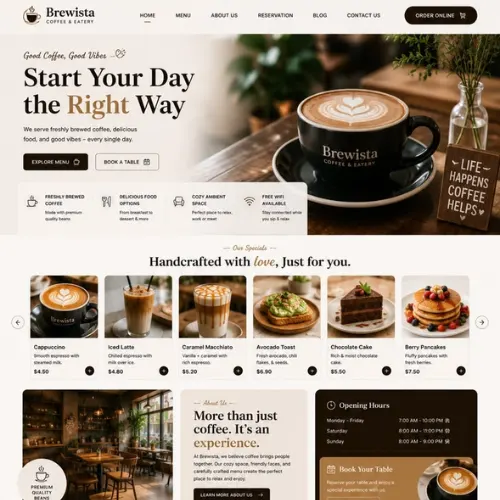
c) Coffee Brand Website Design
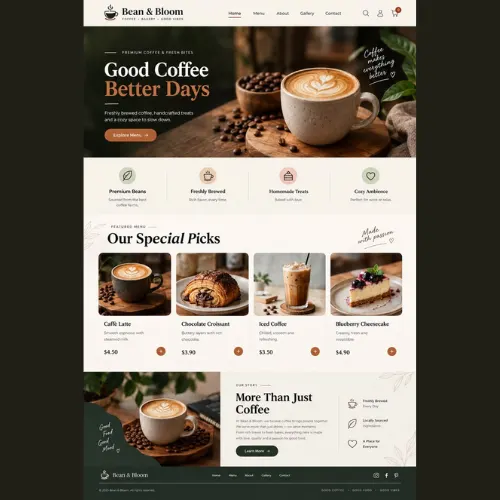
Build around aroma, origin, brewing, and expertise. Use coffee bean photography, origin maps, brewing guides, product comparisons, subscription options, and strong brand storytelling to create an immersive coffee brand experience.
Source:https://in.pinterest.com/
Source:https://in.pinterest.com/
Source:https://in.pinterest.com/
Source:https://in.pinterest.com/
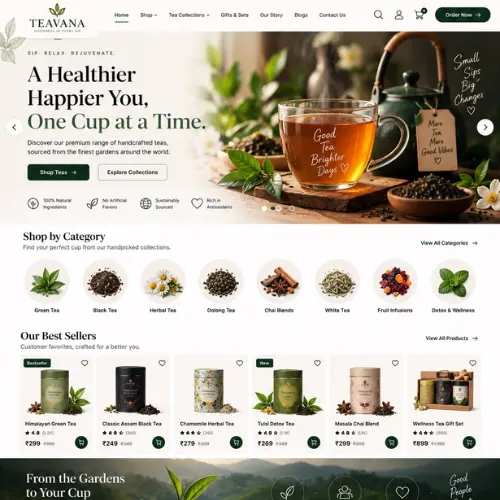
d) Tea Brand Website Design
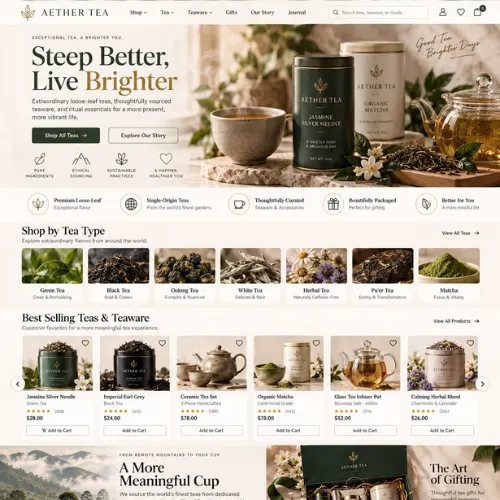
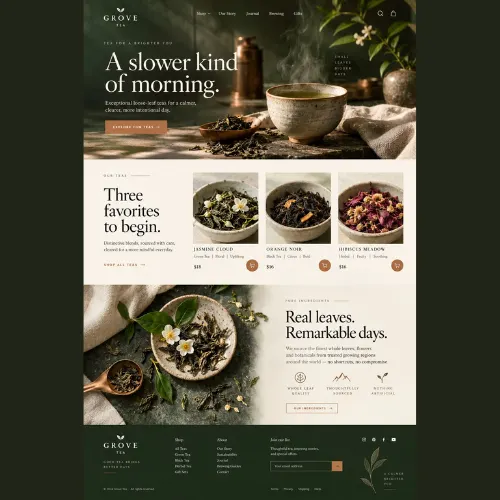
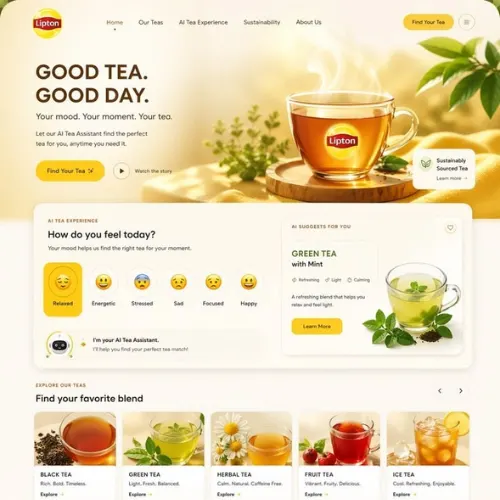
Tea brands can use calm layouts, natural imagery, ingredient storytelling, and flavour-led navigation. Organising products by type, wellness positioning, origin, or occasion can make discovery easier.
Source:https://in.pinterest.com/
Source:https://in.pinterest.com/
Source:https://in.pinterest.com/
Source:https://in.pinterest.com/
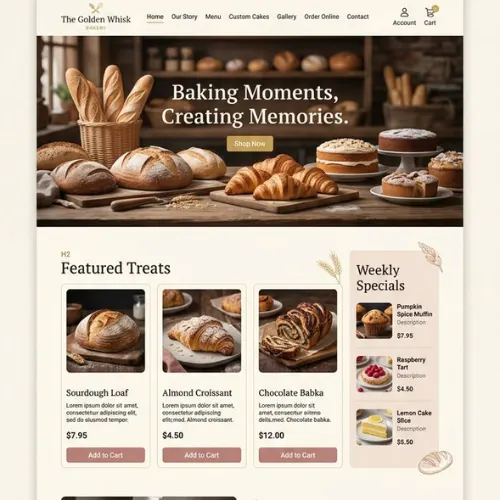
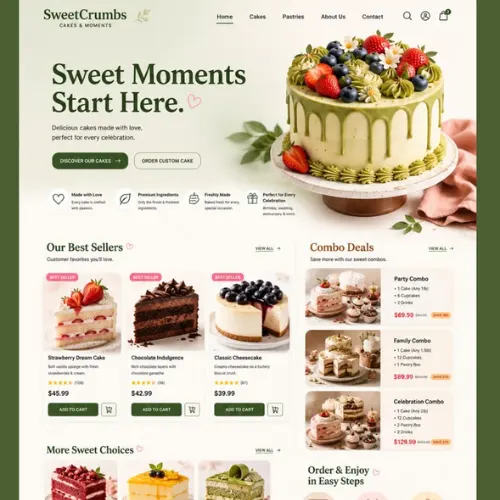
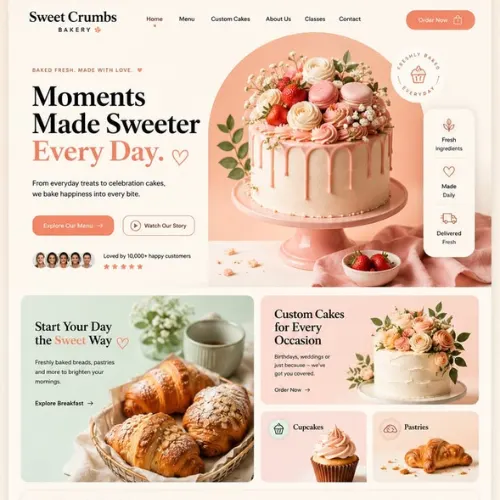
e) Bakery Website Design
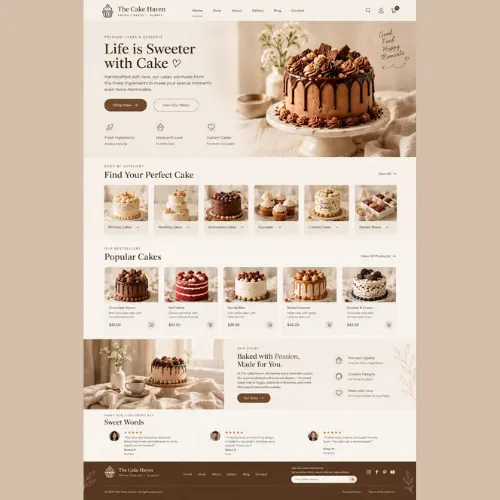
Freshness should lead the experience. High-quality product photography, seasonal collections, custom-order options, menus, delivery information, and prominent CTAs can help convert visitors into customers.
Source:https://in.pinterest.com/
Source:https://in.pinterest.com/
Source:https://in.pinterest.com/
Source:https://in.pinterest.com/
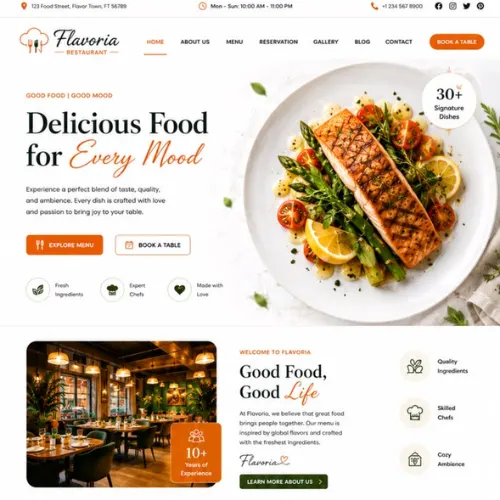
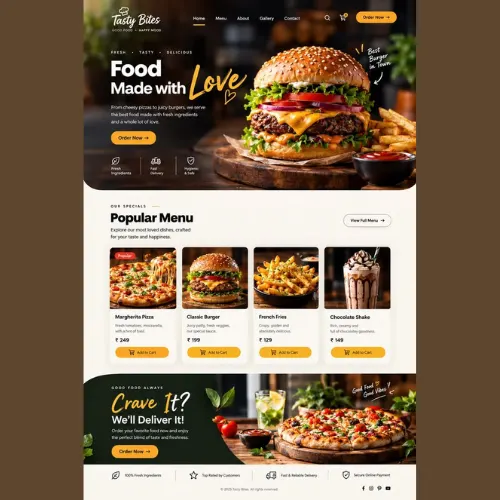
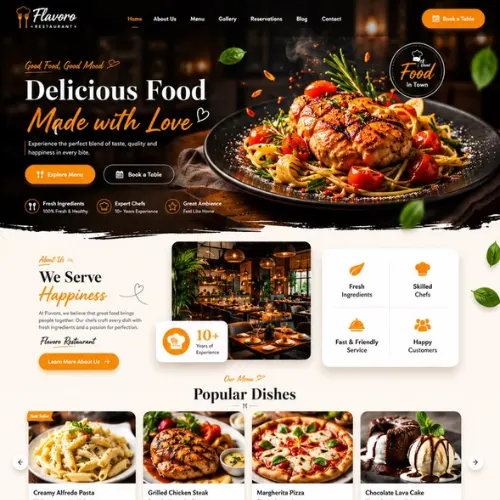
f) Restaurant Website Design
Restaurant websites need to make decisions easy. Showcase signature dishes, menus, ambience, location, reviews, reservations, delivery options, and opening hours without unnecessary friction.
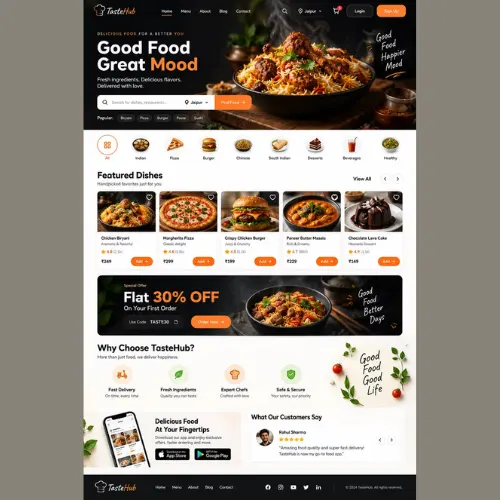
Source:https://in.pinterest.com/
Source:https://in.pinterest.com/
Source:https://in.pinterest.com/
Source:https://in.pinterest.com/
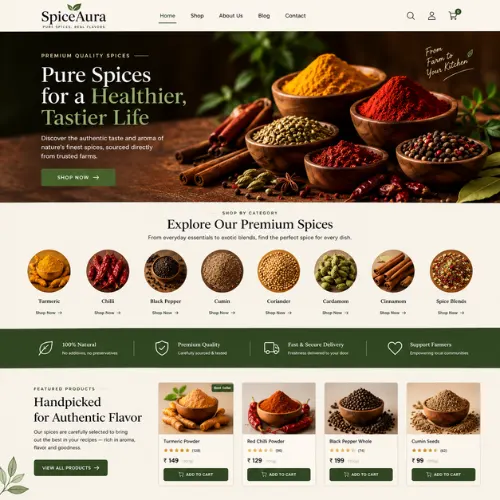
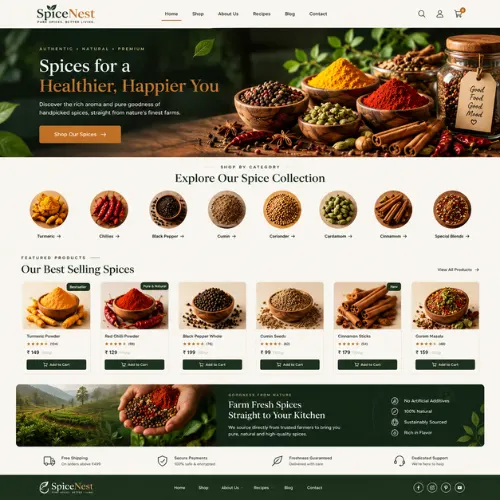
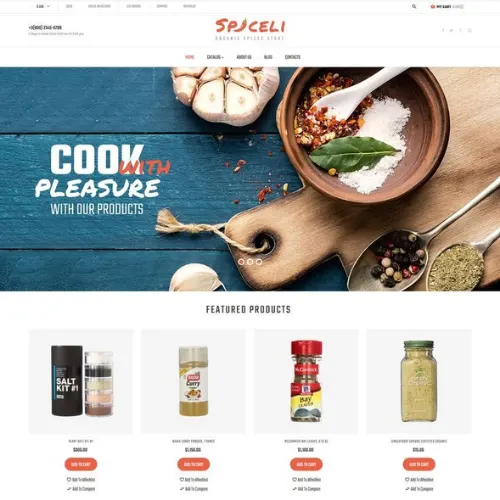
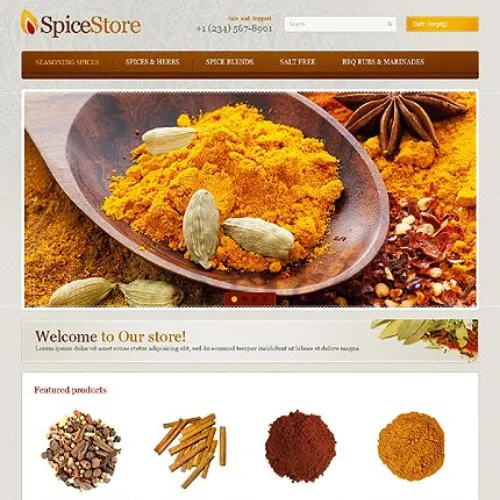
g) Spice Brand Website Design
Focus on authenticity and culinary inspiration. Showcase spice origins, ingredient quality, recipes, blends, usage ideas, and packaging through an informative yet visually rich interface.
Source:https://in.pinterest.com/
Source:https://in.pinterest.com/
Source:https://in.pinterest.com/
Source:https://in.pinterest.com/
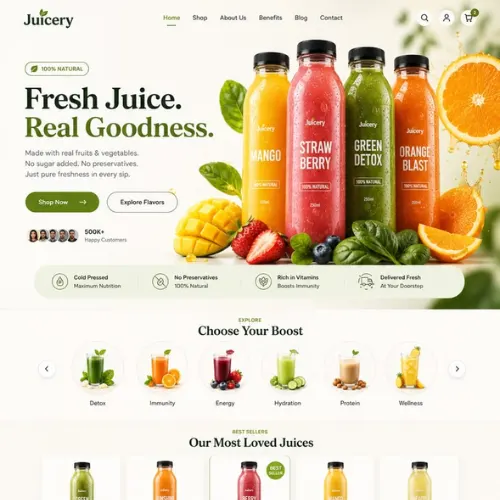
h) Beverage Website Design
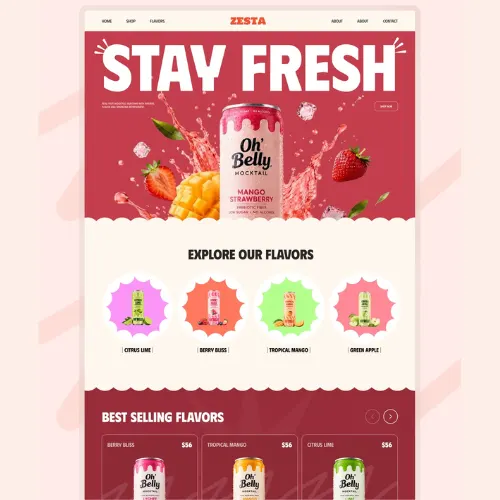
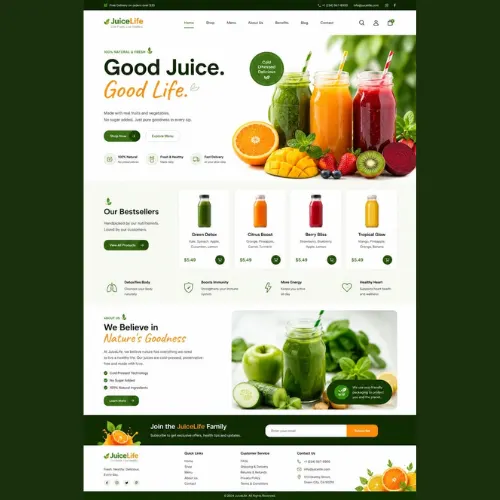
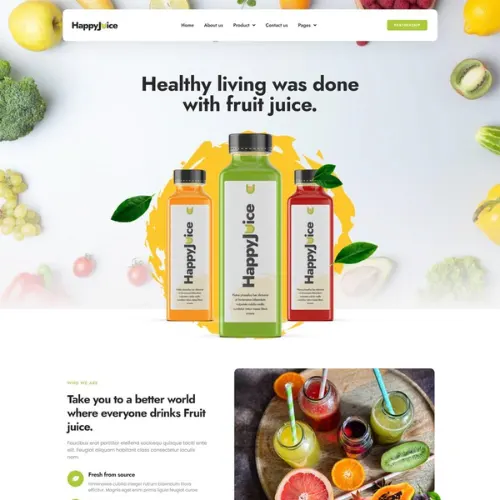
Beverage websites should communicate taste and lifestyle quickly. Use dynamic product visuals, flavour profiles, serving suggestions, occasions, and clear product categories to create a memorable experience.
Source:https://in.pinterest.com/
Source:https://in.pinterest.com/
Source:https://in.pinterest.com/
Source:https://in.pinterest.com/
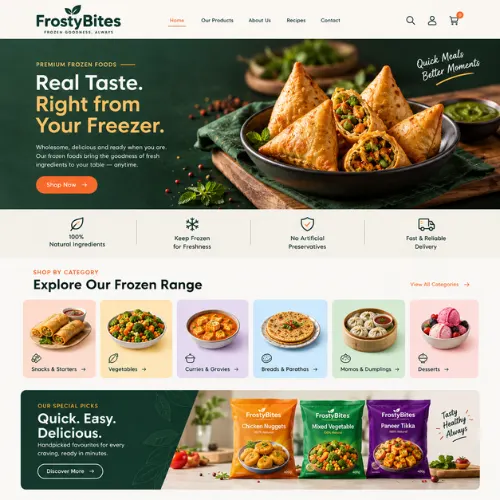
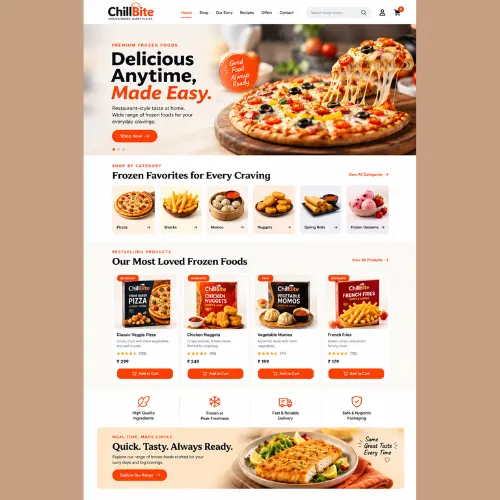
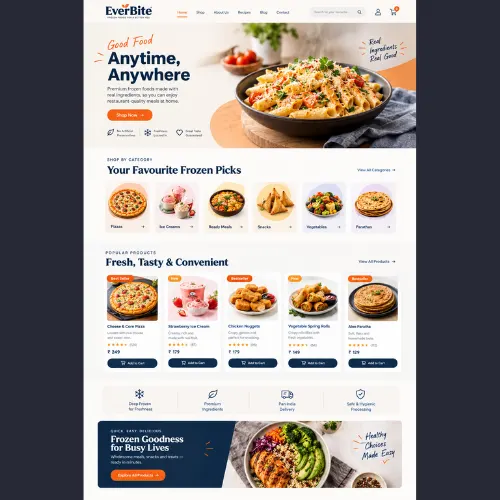
i) Frozen Food Website Design
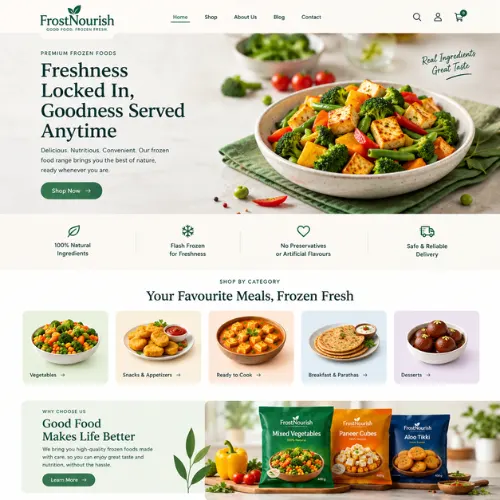
Prioritise convenience, product clarity, and trust. Show preparation methods, cooking time, ingredients, nutrition, storage instructions, product formats, and serving suggestions.
Source:https://in.pinterest.com/
Source:https://in.pinterest.com/
Source:https://in.pinterest.com/
Source:https://in.pinterest.com/
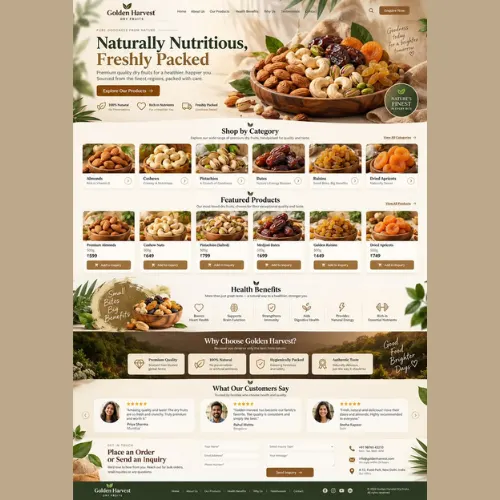
j) Dry Fruit Website Design
A premium dry fruit website can combine elegant product photography with information about sourcing, quality, varieties, gifting, nutrition, and packaging. Clean layouts and sophisticated visuals can reinforce a premium positioning.
The right food website design starts with understanding what makes your category desirable and what your customers need to see before they buy.
Once the category, audience, and brand positioning are clear, the next step is to turn those insights into a digital experience through the right layout, visual identity, content, product presentation, and navigation. The ideas ahead will help you explore different creative directions and identify what could work best for your own food brand.
Source:https://in.pinterest.com/
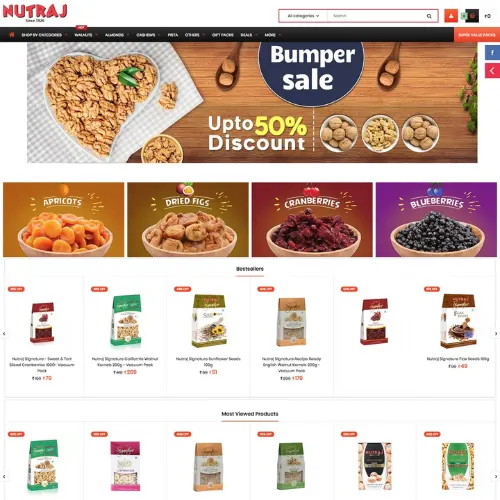
Source:https://in.pinterest.com/
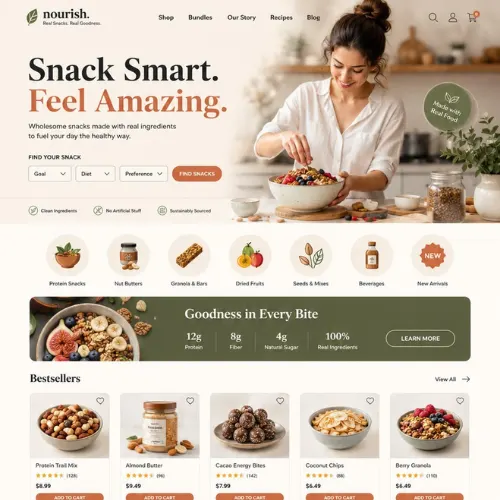
Source:https://in.pinterest.com/
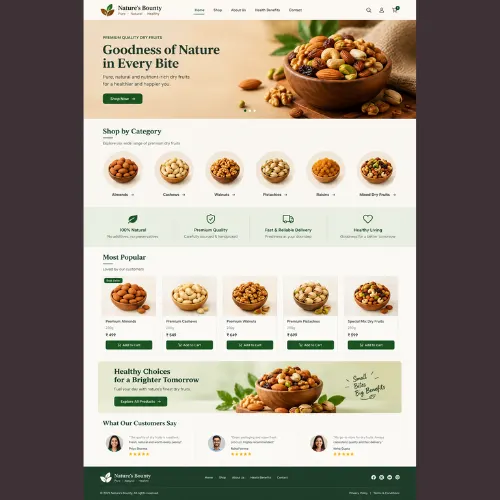
Source:https://in.pinterest.com/
Steps to Design a Premium Food Website
A premium food website does not begin with choosing colours, fonts, or a homepage template. It starts with a clear understanding of the brand, its customers, and the experience you want people to have online. The following steps can help turn that thinking into a polished, conversion-focused food website.
Step 1: Define the Brand Positioning
Start by defining what makes the food brand different. Identify its market position, personality, values, USP, and the reason customers should choose it over alternatives.
Step 2: Understand the Target Customer
Know who you are designing for. Their preferences, buying behaviour, expectations, pain points, and digital habits should influence the website experience.
Step 3: Build the Website Architecture
Plan the navigation before designing individual pages. Organise product categories, collections, about pages, recipes, blogs, contact information, and other important sections logically.
Step 4: Develop the Visual Identity
Translate the brand into a consistent digital language using typography, colours, layouts, graphic elements, imagery, and design details that support its positioning.
Step 5: Plan Product Photography
Food is highly visual. Invest in appetising, high-resolution photography that shows products clearly while creating the right mood and premium perception.
Step 6: Design the Homepage
Your homepage should communicate what the brand offers within seconds. Introduce the proposition, hero products, categories, brand story, proof points, and key calls to action.
Step 7: Create Product Pages
Give every product enough information to support a buying decision. Include ingredients, flavours, sizes, nutrition, usage, benefits, FAQs, reviews, and strong product visuals where relevant.
Step 8: Add SEO + AEO Elements
Build search visibility into the website from the beginning. Use relevant keywords, descriptive headings, structured content, FAQs, internal links, schema markup, and concise answers to common customer questions.
Step 9: Test the Customer Journey
Browse the website like a first-time customer. Check mobile responsiveness, navigation, page speed, forms, product discovery, CTAs, checkout or enquiry flows, and overall usability.
Step 10: Launch and Measure
A website launch is the just beginning, not the finish. Track traffic, engagement, searches, conversions, product interactions, and user behaviour to identify opportunities for continuous improvement.
A well-designed food website should ultimately make the brand easier to understand, easier to trust, and easier to choose. These steps create the foundation for an online experience that can support both brand building and business growth.
Conclusion:
A premium food website is no longer just a digital catalogue of products. It is where your brand story, packaging, visual identity, product experience, and customer journey come together. The right food website design can make a new brand feel credible, help an established brand stay relevant, and give customers more reasons to explore and buy.
The 121+ ideas in this guide are a starting point. The real opportunity lies in selecting the right visual direction for your category, audience, positioning, and business goals.
If you are planning a new food website or redesigning an existing one,LogoPeople can help you build a distinctive brand-led digital experience with the right combination of strategy, design, and visual communication.
Because when your product promises premium quality, your online experience should deliver the same impression.
Author: Anush Malik

Being a strategist’s head and a long term visionary personality aims to achieve excellence in branding, packaging and digital marketing field. My 15 years of design experience and masters degree ais my strength which keeps me motivated and keep me going positively. I have participated in extensive branding design conquests in India, USA, Australia and New Zealand with winning zeal. My objective is to encourage start-ups and hence involves actively in the articles which will act as a productive intake of knowledge for them. Do connect me personally via my LinkedIn and I love to share my expertise with you.